
Photos by Bill Swanson
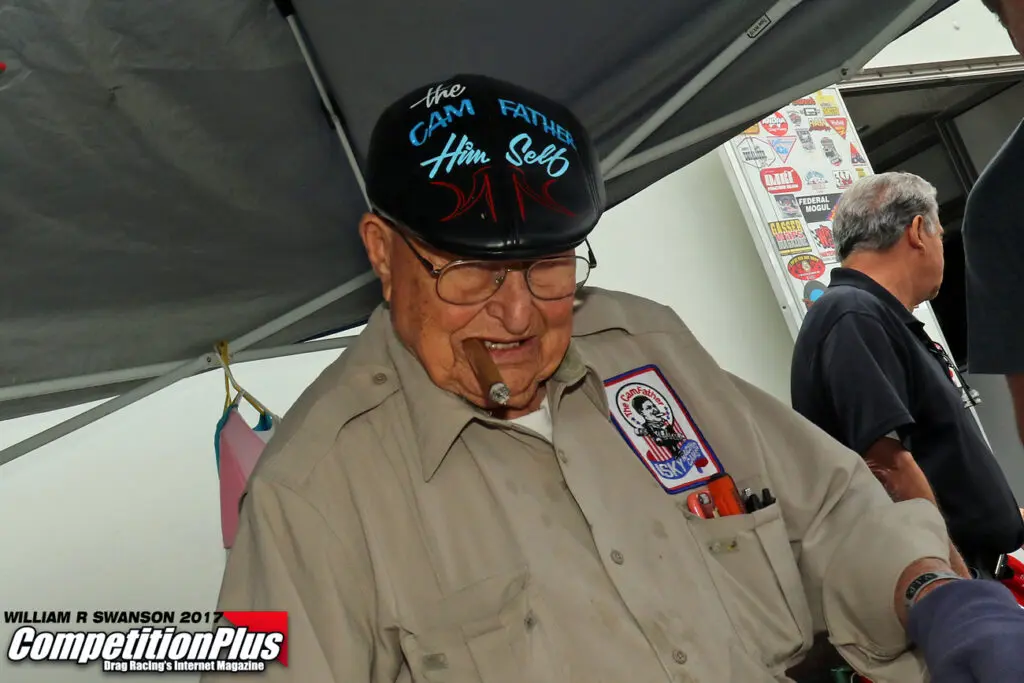
Ed Iskenderian, the man known globally as the “Camfather,” died Feb. 4 at age 104, closing the book on one of drag racing’s most influential ambassadors rather than a conventional champion.
Iskenderian never won an NHRA championship, but his impact on hot rodding and drag racing shaped generations of racers by keeping mechanical curiosity, innovation, and accessibility at the sport’s core.
Born July 10, 1921, in Cutler, Calif., Iskenderian showed an early fascination with machinery, beginning with repairing vacuum-tube radios before he was old enough to drive.
According to NHRA historian Greg Sharp, Iskenderian’s family was originally involved in wine making, but damaging frosts forced them to relocate to Los Angeles when he was just a year old, placing him at the center of Southern California’s emerging car culture.
“As he grew into a teenager, the Great Depression was on, and times were tough, but he noticed guys having fun driving stripped-down Model Ts [they weren’t yet known as hot rods], and he would follow these ‘gow jobs’ on his bicycle just to see them up close,” Sharp wrote in a 2021 National Dragster article marking Iskenderian’s 100th birthday.
That curiosity matured after World War II, when Iskenderian returned from serving in the Army Air Corps flying supply missions in the Pacific Theater and found himself immersed in hot rodding’s postwar boom.
He befriended camshaft and carburetor pioneer Ed Winfield, whose influence proved decisive in Iskenderian’s future.


Winfield once told Iskenderian that his questions revealed a natural camshaft innovator and showed him how to build a cam-grinding machine, setting him on a path that would change engine performance history.
Working from a small shop in Culver City, Calif., Iskenderian began grinding camshafts and fabricating valvetrain components for racers seeking reliable power.
He also understood marketing instinctively, launching a new approach that blended engineering credibility with personality.
A modest advertisement in the second issue of Hot Rod magazine triggered nationwide demand, including from Southern bootleggers searching for an edge.
During the A/Gas Supercharged wars, Iskenderian’s name became synonymous with innovation as he sparred with competitors like Jack Engle and backed marquee teams such as “Big John” Mazmanian and Stone-Woods-Cook.
His ads, often illustrated with Pete Millar cartoons, promoted racers using his equipment, from Don Garlits and the famed “five-cycle” cam to Cook & Bedwell’s dragster.
Iskenderian also raced himself, running his Model T at the dry lakes and becoming a fixture at El Mirage, Bonneville, and early NHRA events.
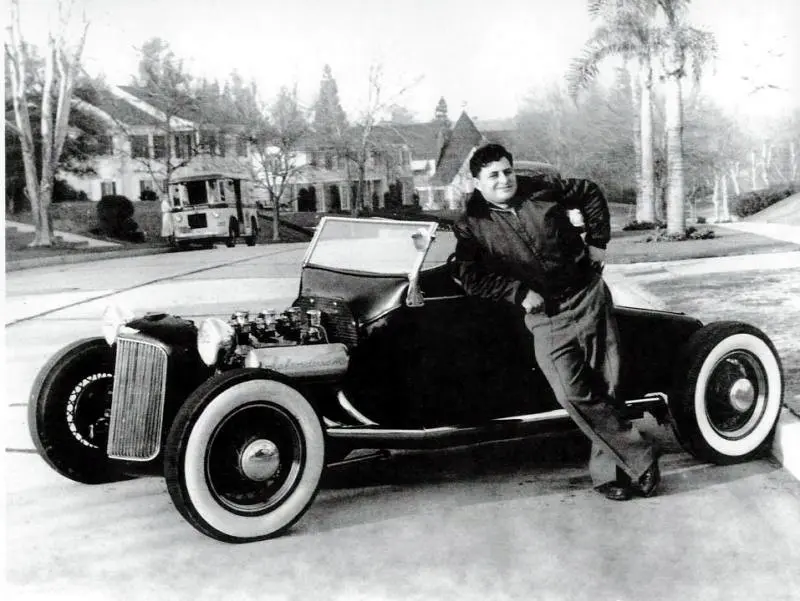
By the 1950s, having “Isky” or “Iskenderian Cams” lettered on a race car signaled credibility and status.
That influence extended into industry leadership when Iskenderian became the first president of the Specialty Equipment Market Association, helping unify the aftermarket during a period of rapid growth and increasing regulation.
Mike Spagnola, President and CEO of SEMA and PRI, said Iskenderian’s role defined the organization’s mission.
“Today, the automotive world lost its North Star,” Spagnola said. “Ed Iskenderian was not just a founder of SEMA; he was the soul of it. As our first President, he turned a hobby into an industry. He and the original founders were volunteers who recognized — at the height of their own careers — that our industry needed a unified voice to survive and grow.
“Long before there were data logs and computer modeling, there was Ed — a man with a slide rule, a cigar, and an uncanny ability to find power where others found limits. While we mourn the loss of ‘The Camfather,’ we celebrate a century of a life lived at full throttle. We are all driving in the tracks he laid down as a volunteer leader over 60 years ago.”
Phil Burgess of National Dragster contributed to this article.