Dale Creasy Jr. never forgot the last time he truly felt in control of an IHRA Funny Car championship fight. Back then, wins came with a rhythm that made the chaos of nitro racing feel almost predictable.
That rhythm shattered in 2008.
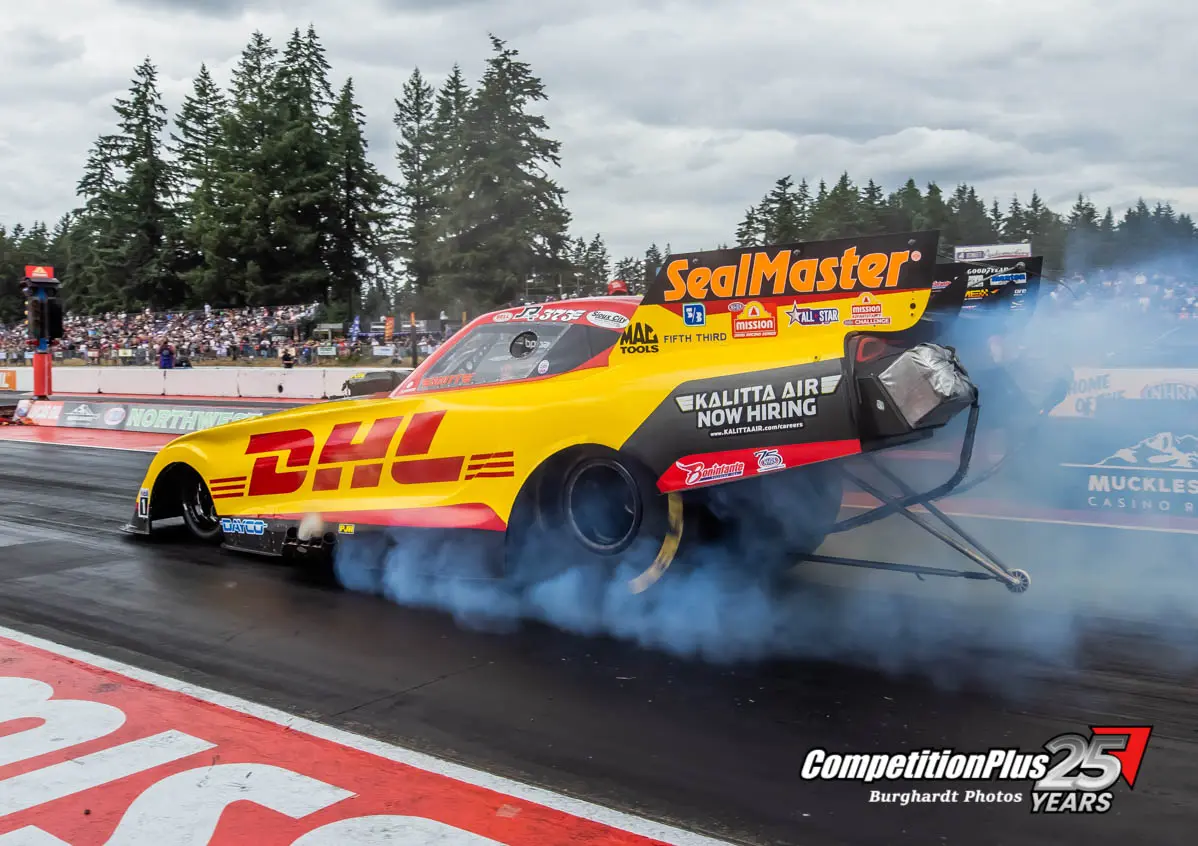
During an event in Edmonton, Alberta, a reverser coupler came loose and repeatedly struck his leg, an ordeal some might compare to scenes from the Stephen King novel Misery. The injury derailed a season that appeared headed toward another championship and began a long stretch where Creasy was no longer the man everyone chased.
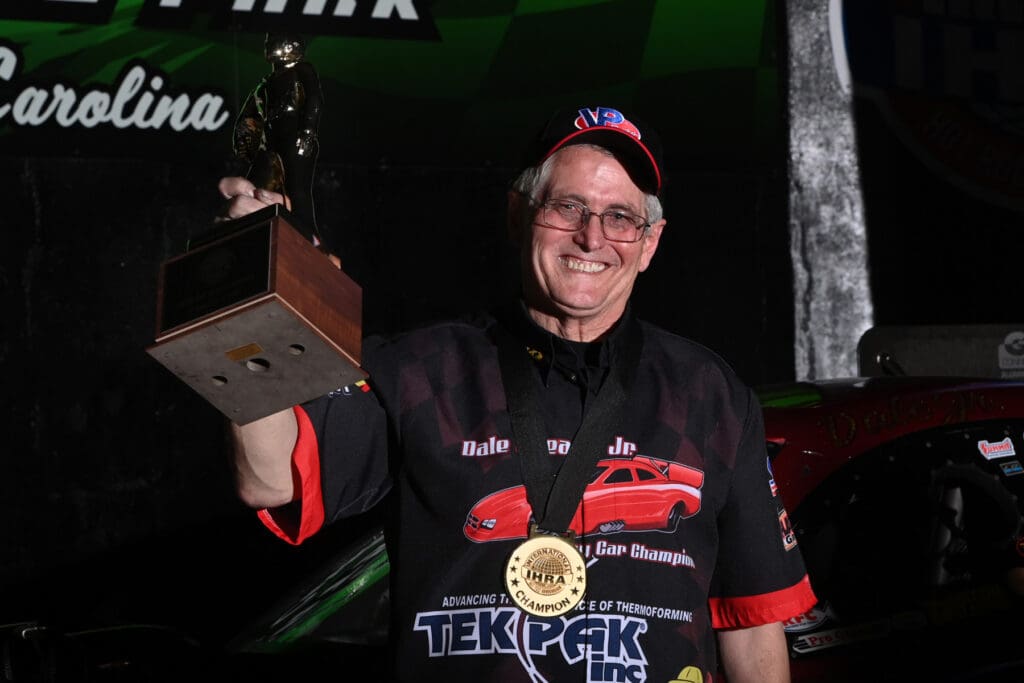
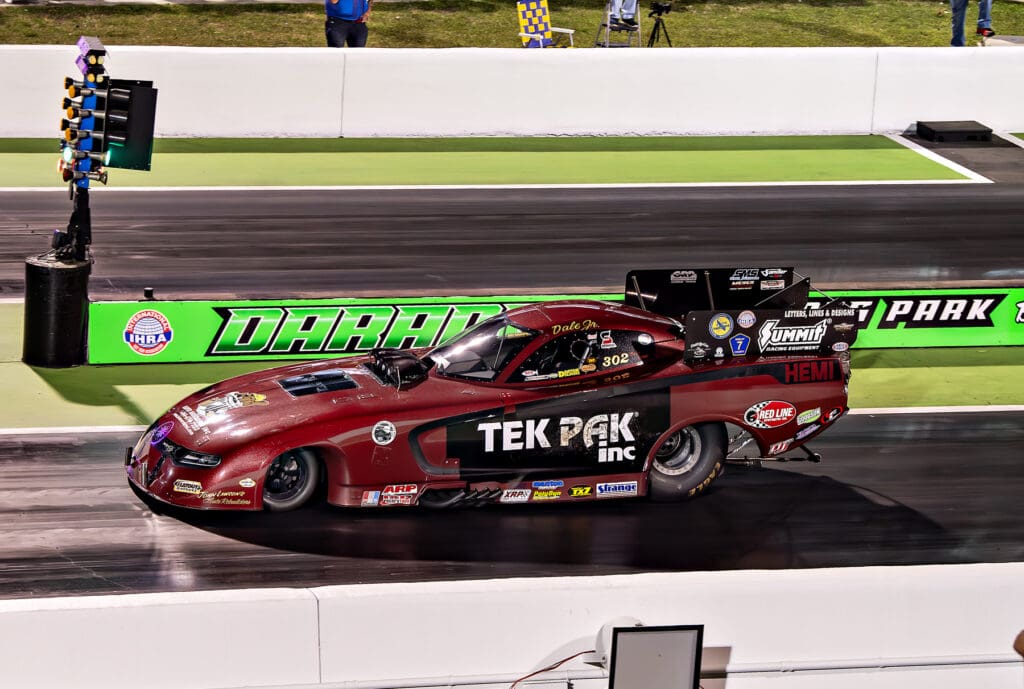
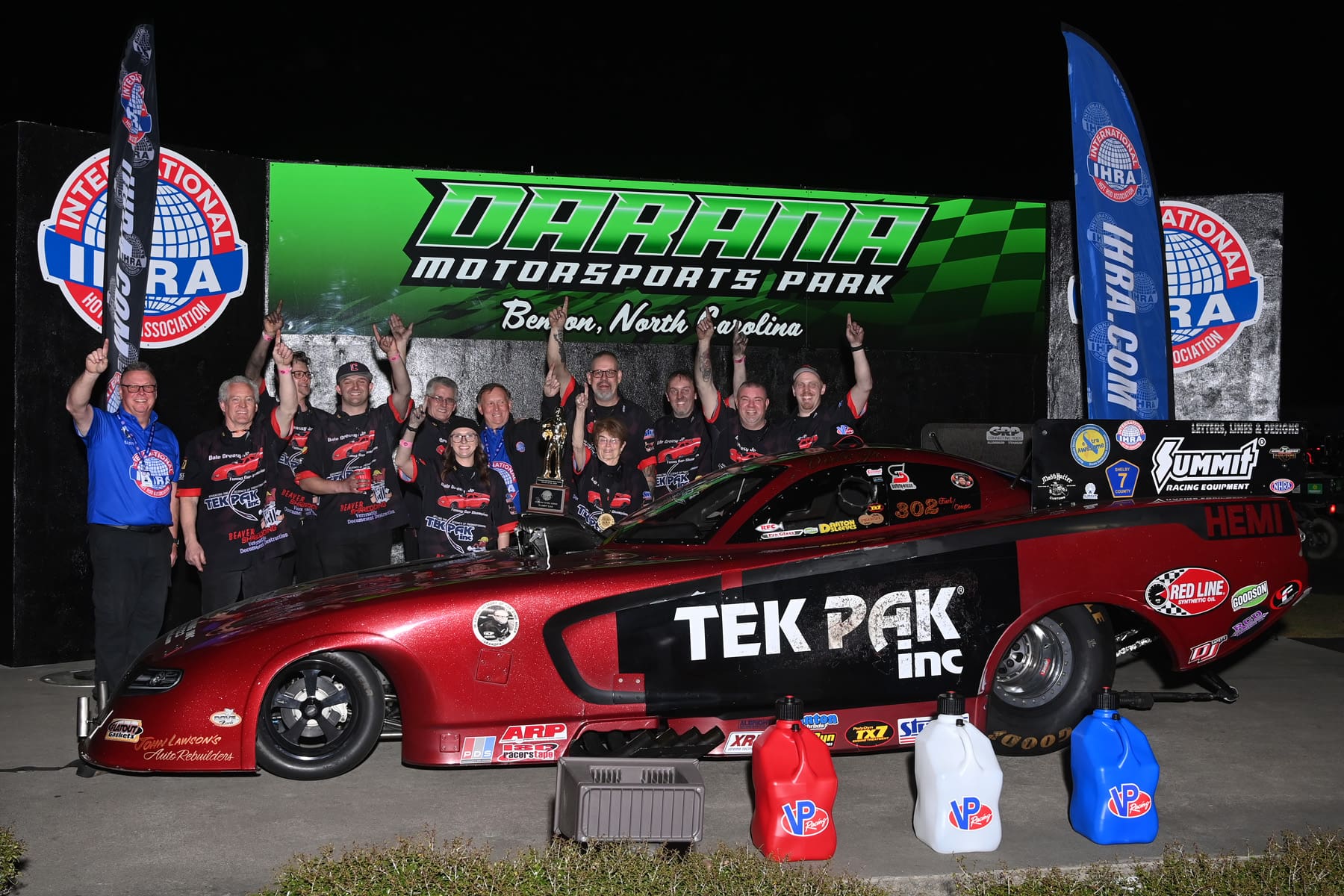
Saturday night at Darana Motorsports Park in Dunn, N.C., he found his way back to that feeling.
“Well, ’06 and ’07, we did pretty good,” Creasy said. “We led the points at the end of the season when it counted, but it’s been a struggle last year or two.”
His victory at the season-opening IHRA Outlaw Nitro Series event did more than add another trophy to the shelf. It returned him to the top of the standings in a sanctioning body where he once defined success.
“After the crash in Dallas, been struggling, questioned what I was doing and just kept pushing,” Creasy said. “By the end of last year, we started getting it back.”
Creasy entered eliminations as the No. 5 qualifier, not the position typically associated with a race winner. Funny Car has never respected paper predictions, and by nightfall he looked like a driver who had rediscovered his timing.
The defining moment came in the semifinal round.
Creasy became the first driver in the history of the revitalized IHRA to defeat Del Worsham in any round before a final. In a series still establishing its hierarchy, the statistic carried weight beyond the round win.
“If you want to be the best, you have to beat the best,” Creasy said. “And right now he’s the best one out here.”
The matchup delivered one of the tightest races of the event. Creasy said the outcome confirmed what his team had quietly believed about their program’s potential.
“That race was probably the closest race all day in most classes with him and I,” Creasy said. “We know his car runs good and we know our car can run as good.”
Creasy advanced to the final, where Terry Haddock could not return following mechanical issues. The single gave Creasy his tenth career IHRA Funny Car victory, keeping him fifth on the sanctioning body’s all-time list behind Dale Pulde, Raymond Beadle, Kenny Bernstein and Mark Oswald.
Statistics matter in Funny Car, but scars matter more.
Creasy’s recent seasons have been defined by rebuilding confidence after years of inconsistency. Progress came gradually, measured in small improvements rather than dramatic breakthroughs.
“We didn’t have a consistency and now we’re starting to get that back again,” Creasy said. “I’m just happy that everything’s going in the right direction.”
The eighth-mile format of the Outlaw Nitro Series has shaped his competitive approach. Creasy said the shorter distance compresses reaction time and eliminates opportunities to recover from early mistakes.
“Mentally,” Creasy said. “Because you have to be on time in eighth mile.”
He views the format as beneficial for both racers and promoters. Creasy believes the shorter distance reduces catastrophic incidents while maintaining the intensity fans expect.
“I think the show’s better because there’s not as near as much … because most of the catastrophe happens after half-track,” Creasy said. “But I’m good with the eighth mile.”
Creasy’s strategy now centers on consistency rather than chasing headline elapsed times. He said repeatable mid-3.20-second runs offer the most reliable path to sustained success in the current field.
“We realized that we don’t have to run 3.90 [1000-foot] numbers here yet,” Creasy said. “We just need to run our 3.20s, middle to low 3.20s.”
The victory also reflects the enduring relevance of veteran racers in an evolving Funny Car landscape. Creasy believes experience still carries value when performance margins tighten and pressure intensifies.
“I mean, winning the race is just the coolest thing in the world,” Creasy said. “How many people get to win a race?”
Saturday’s result returned him to a familiar role atop a points battle he once dominated. The difference now is perspective shaped by injury, setbacks and the passage of time.
For a driver who spent years wondering whether he would again stand on top, the win carried the weight of validation. It confirmed that persistence still matters in a sport that rarely rewards patience.
“So hopefully it’s not the last,” Creasy said.


BOBBY BENNETT: SOCIAL MEDIA SAVED DRAG RACING — AND NOW IT’S SLOWLY STRANGLING IT