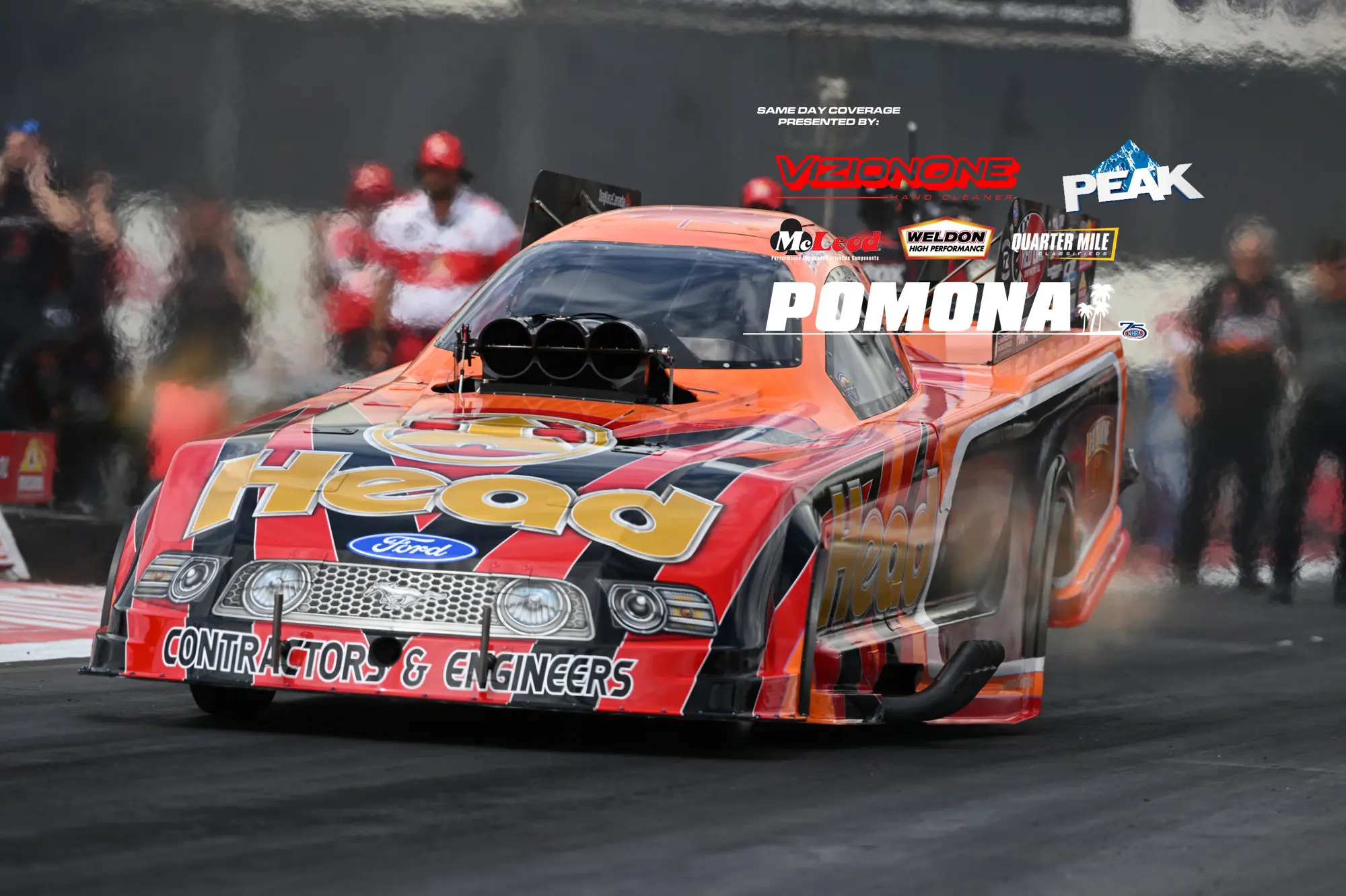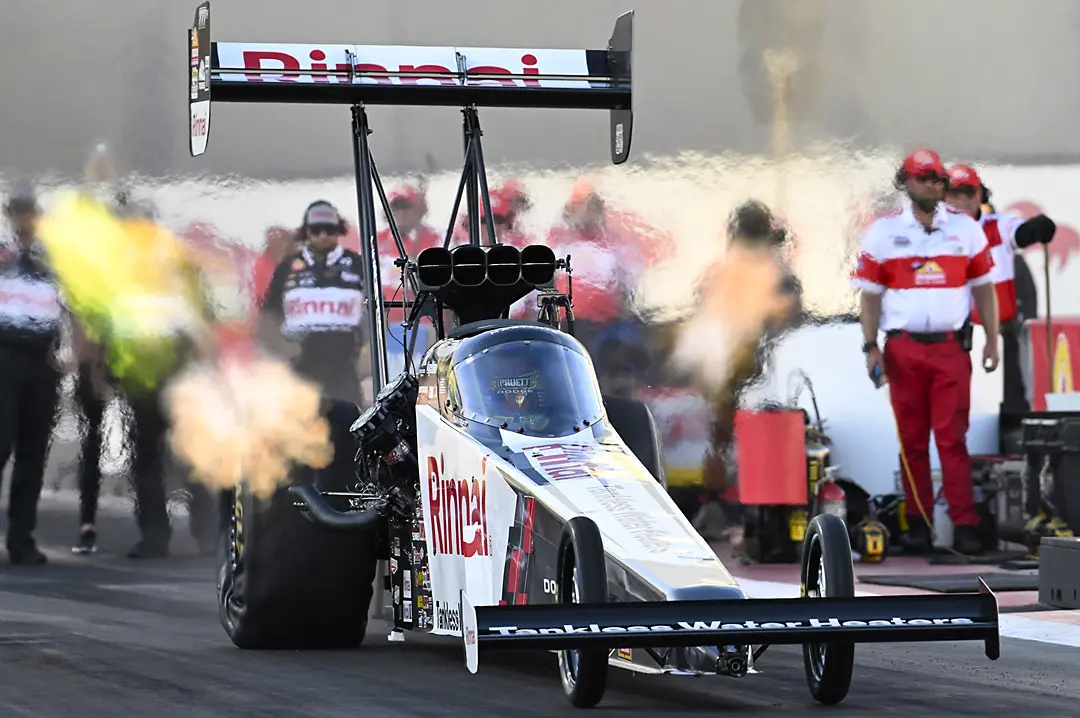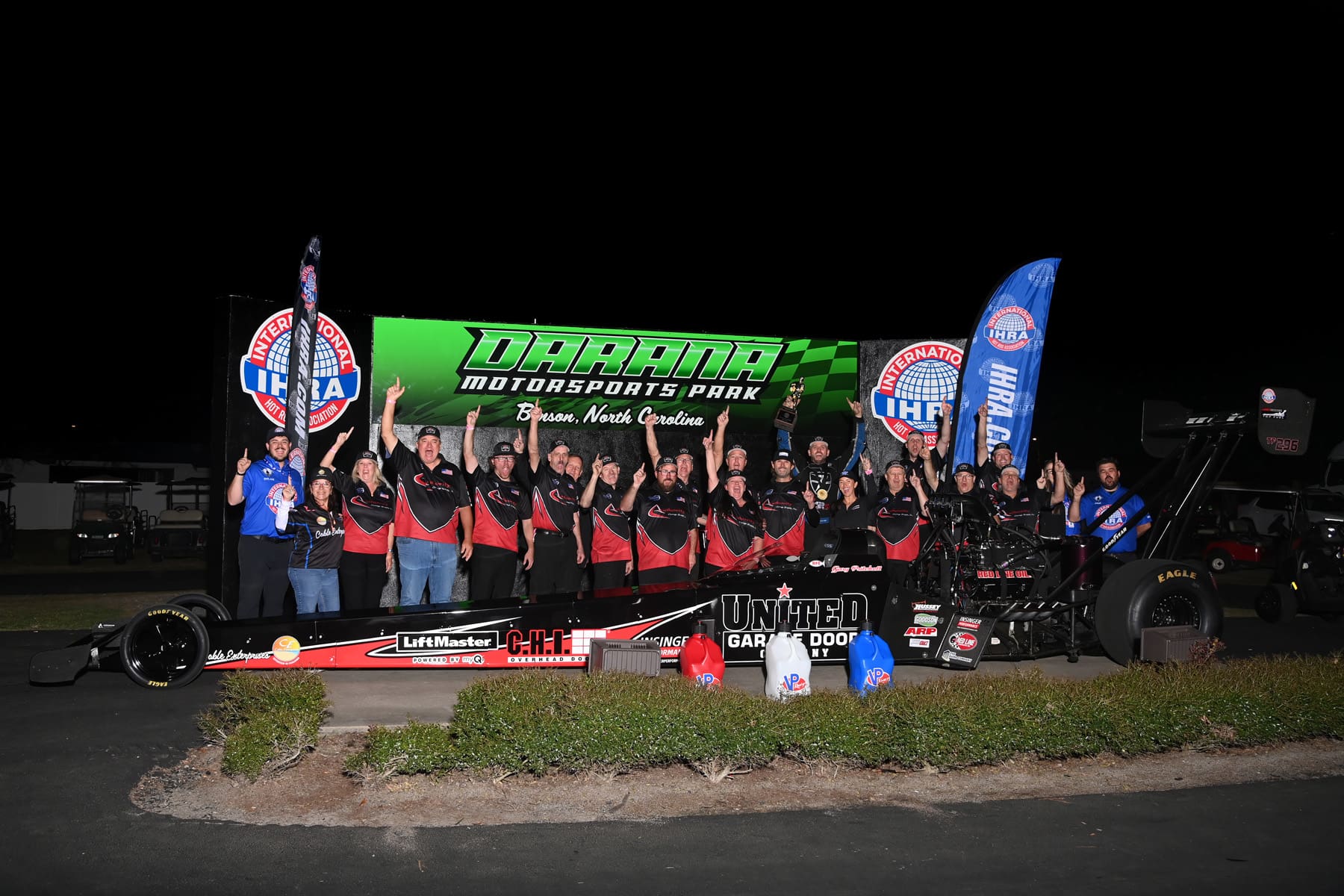

A month ago, they had different pathways but ended up at the same place — the points lead of their respective nitro divisions. Gary Pritchett (Top Fuel) and Dale Creasy Jr. (Funny Car) head into Darana Motorsports Park in Dinwiddie, Va., with the plan of extending their leads by one more race.
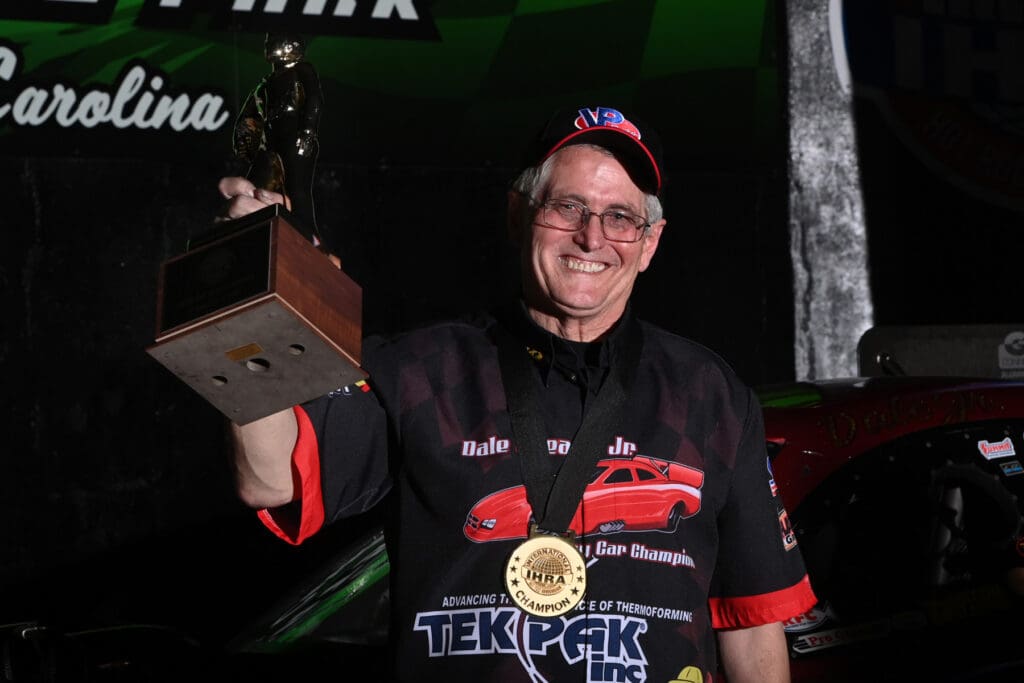
For Creasy, the position isn’t new — but the climb back to it is. The last time he led IHRA points was 2008, before a broken reverser triggered a crash that nearly ended his career and reshaped how he looks at the sport.
For Pritchett, the label is new, even if the pressure isn’t. The rookie Top Fuel driver opened his season with a win, but years working alongside Steve Torrence taught him exactly what comes with being the one everyone is chasing.
That contrast frames this moment. One driver has lived the fall; the other has watched it up close.
Creasy wasn’t celebrating when reached on the road to Dinwiddie — he was pumping gas. That detail fits a driver who has learned not to get too far ahead of himself.
“It’s good. I mean, it gives us a little more confidence,” Creasy said. “What we had decided to do over the winter did work, so we had made some changes over the winter and thought it was going to work and it actually did.”
He didn’t talk about leading the points like it meant anything yet. Not this early.
“The points lead is something I don’t focus on until middle-end of the season,” Creasy said. “But winning the race was big for us. Big confidence builder.”

Confidence, for Creasy, comes with conditions. It has to.
“Well, I’m a firm believer in karma, so I don’t like to get too excited about it,” he said. “We do appreciate it and we’re proud of it. It’s just I have to keep a level head because I know how this stuff goes.”
He didn’t soften the reality. He’s lived it too many times.
“One day you’re on top and the next day you’re fighting to qualify,” Creasy said. “That’s just the nature of this deal.”
That perspective didn’t come from a smooth ride. It came from years where things didn’t go right — sometimes for reasons that made no sense at all.
“The last couple of years have probably been close to the worst that we’ve had, struggling with just silly stuff,” Creasy said. “But being able to accomplish what we’ve done, I’m pretty proud of that.”
What changed wasn’t a miracle fix. It was direction.
“Oh, we’re going to run better. That’s how we’re going to top it,” he said. “We’re just getting started on this new setup and it has potential to do much better.”
And more importantly, it has repeatability.
“We’re not trying to kill the world or anything,” Creasy said. “But we realize that if you can run 320s, mid-320s, low-320s, you can do well here. We need to concentrate on that and our consistency. That’s what we were lacking.”
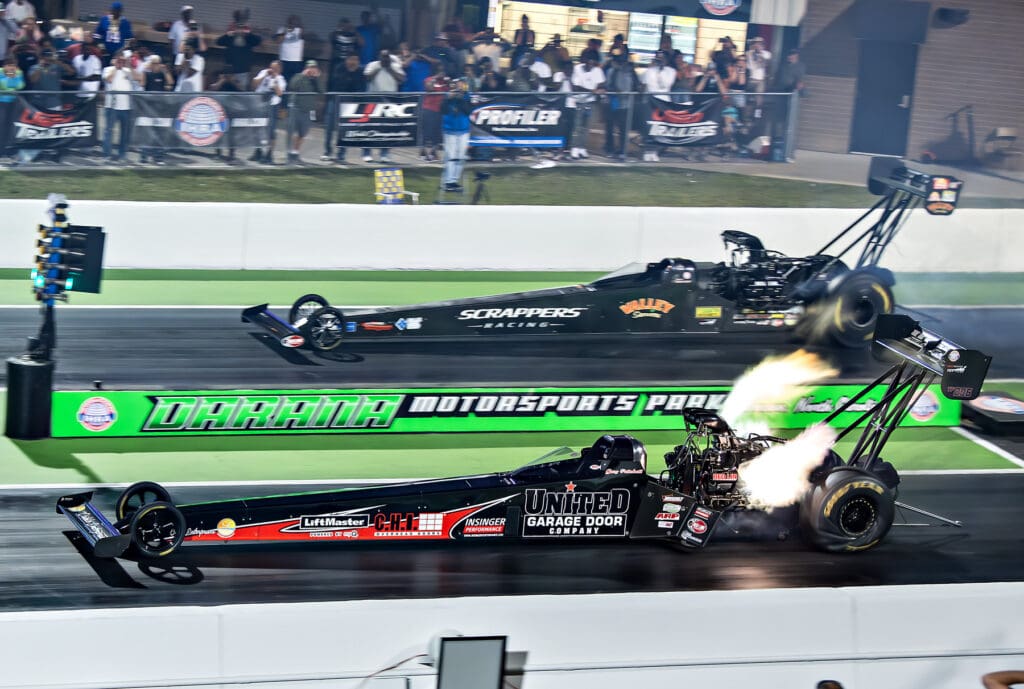
The validation didn’t just come from the win light. It came from who was watching.
“On the way home, I had to shut my phone off because I stopped to sleep,” Creasy said. “That, to me, that’s what makes me proud of that, that those guys always help us and they’re watching.”
And when he measured his team’s progress, he didn’t look at the scoreboard. He looked at who they beat.
“What I’m most proud of is when we beat [Del] Worsham in the second round, because he’s been the king,” Creasy said. “To just flat outrun him and to run that close and beat him — to me, he’s the benchmark that you set yourself to.”
That’s where Creasy’s mindset separates from the moment. He isn’t chasing headlines. He’s chasing the standard.
At the same time, he understands how unlikely this pairing at the top really is.
“Oh God, no. I agree,” Creasy said of he and Pritchett leading their classes. “There are plenty of capable cars to run as good or better than we do. Not that they’re doing it right now — and they will — it’s just cool to see because two old IHRA guys in winner circle.”
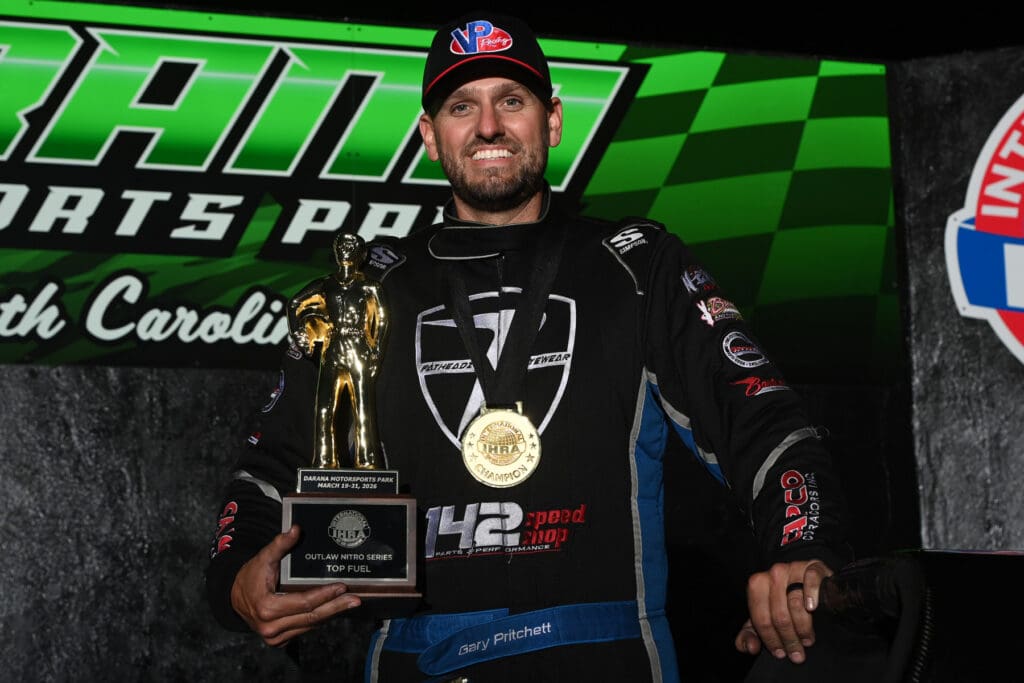
Pritchett’s rise carries a different tone. Less reflection, more realization.
“Surreal,” Pritchett said. “I know it’s just the first race, but anytime you can call yourself the points leader, it’s a success for the entire team and everybody involved.”
But even in that moment, he didn’t drift too far into it. He knows better.
“You just got to stay humble,” Pritchett said. “I’ve been on both sides of it. I’ve been the guy always chasing the guy that was leading the points.”
That experience came before he ever drove a Top Fuel car. Watching and being a part of Steve Torrence’s championship team and how they operate left an impression that doesn’t fade.
“You make a lot more runs when you’re the points leader. You go more rounds,” he said. “You’ve always got the bullseye on your back.”
And that changes everything about how you approach a race weekend.
“You really got to stay grounded and keep your head down and just focus on the task at hand and don’t overthink it,” Pritchett said. “Just take one round at a time.”
Even then, he admits the position comes with a tradeoff most don’t think about.
“Sometimes it’s better to be in second place or the one chasing than the one being chased,” he said.
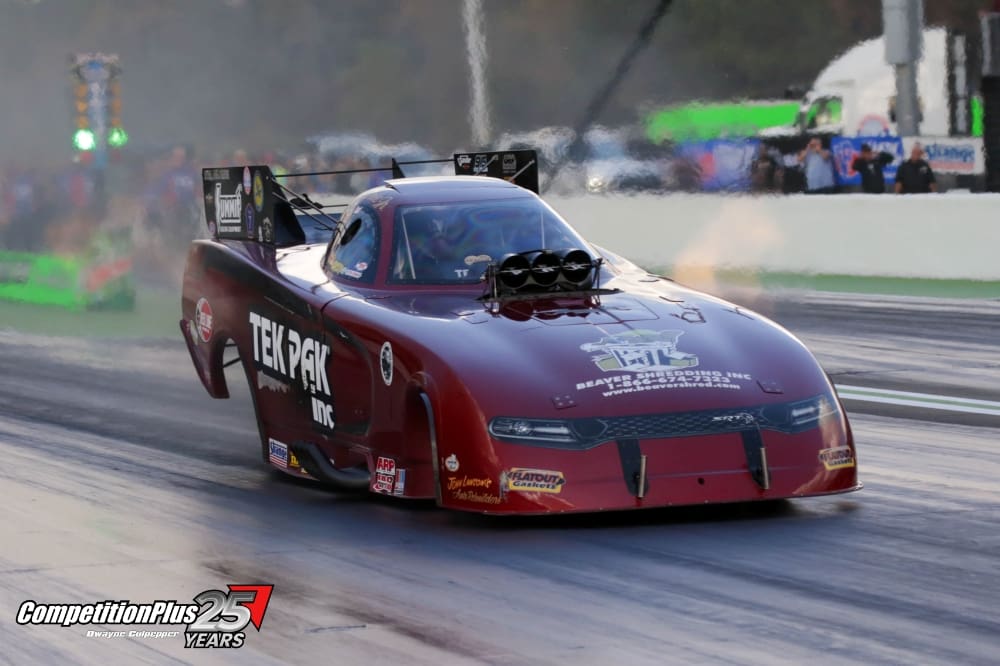
For Creasy, the bigger picture extends beyond points leads and round wins. It’s about what this version of IHRA racing is allowing teams like his to become.
“It has rejuvenated our program,” Creasy said. “We were going at NHRA and our car did qualify, but the only way we were going to win a race is if somebody had a mistake.”
That’s no longer the case.
“Here, the money’s better. The people are just friendlier. This just fits us better,” he said.
And more importantly, it’s sustainable.
“For some of them teams, qualified money is more than they would make if they won two races,” Creasy said. “So they can reinvest in their future or their program.”
That has changed the competitive balance, especially for independent teams.
“Guys like me, Jack Wyatt, Del, Terry Haddock — our cars can go qualify most of the time, but here we have a better chance,” Creasy said.
But that chance still comes with conditions. No mistakes. Not one.
“They know that if we do everything right, they have to run what they can run or we’re going to beat them,” he said. “But that just means we can’t make any mistakes.”
Because in a Nitro Funny Car, mistakes aren’t rare. They’re expected.
“It’s really easy to make mistakes,” Creasy said. “But we’re learning. It just takes time and runs, and this opportunity has given us that.”

As the series rolls into Dinwiddie, neither driver is treating the points lead like protection. It’s not something you defend — it’s something you have to earn again.
Creasy knows that better than most.
“It may never come again,” he said. “That’s the reality of drag racing. You’re on top one race and the next race, you’re right down in the trench and fighting with everybody else.”