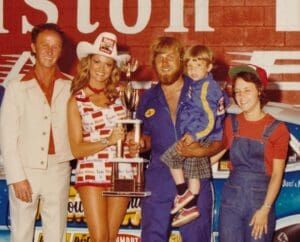
Often, a second-generation drag racer is forced to answer the same question again and again — whether success came from talent or inheritance. Matt Smith has never hesitated to answer it, and he does so without apology.


Smith insists he did not ride his father’s coattails, and more importantly, he never had the option to try. Growing up as the only son of Rickie Smith meant nothing came easy, nothing came free, and nothing came without consequences.

Rickie Smith, a 10-time world champion known as much for discipline as dominance, made sure his son understood early that a famous last name carried responsibility, not privilege.


“I wanted to be just like him,Matt Smith said.Growing up, watching him race and winning and doing all the stuff that he did, I wanted to do exactly what he did.”


When Smith asked his father for a car, the answer was immediate.


“I said,Hey, let me drive the car. Give me a car,’ Smith recalled.He’s like,I ain’t getting you nothing. Nobody gave me this. You’ve got to earn it.’”


That response set the tone for a relationship built on standards, not sentiment, and pushed Matt Smith toward a path that would define his career.


Unable to afford a car and unwilling to wait, Smith bought a motorcycle, not as a statement, but as a solution.


Smith’s early racing years unfolded at local tracks, where reputation mattered less than results.


He raced at Farmington Dragway and Piedmont Dragway, starting on a street bike before moving to a wheelie-bar motorcycle.


“I ran Farmington. I ran Piedmont,” Smith said. “I started with a little street bike, and then as I got good with that, I bought me a little old wheelie-bar bike.”


As wins followed, confidence grew.


“I got good and started winning races and won a track championship,” he said. “And I was like, man, I want to go more.”


That ambition pushed him into organized motorcycle competition, including SCRA racing in Greensboro.


Throughout that climb, Rickie Smith remained intentionally distant.


“He didn’t go to none of the local races,” Matt Smith said. “He was so busy with his car stuff.”


There were no shortcuts, no introductions, and no borrowed credibility — only work and results.


Earning his way extended beyond racing and into the shop.


When Rickie Smith landed a Stroh’s Light promotional deal, Matt Smith said he sold the beer himself, treating sponsorship as inventory rather than entitlement.


“I was selling the promo cases of beer in the shop,” Smith said. “That was part of earning my way, just like everything else.”


Only after Matt Smith began winning consistently did his father acknowledge the trajectory.


“Once I started winning a lot, he was like, ‘Well, you’re doing good,’” Smith said.


The first real assistance came when Matt Smith decided to pursue NHRA competition.


Rickie Smith suggested renting a motorcycle from Shawn Gann to test the waters.

“We rented a bike and went to Piedmont Dragway,” Smith said. “Sean rode it two passes, and then I jumped on it.”


The results surprised everyone involved.


“I went like .02 or 03 faster than Sean,” Smith said. “They were like, something’s wrong.”


After confirming data and weight, Smith knew the opportunity was real.


“So right then I knew I could do it,” he said.


Only then did Rickie Smith help financially.


“He gave me $10,000, Larry Tutterow gave me $10,000, and I went and bought a complete bike,” Smith said.


The assistance did not soften expectations.


Long before championships followed, Smith’s upbringing had already shaped his work ethic.


“He was very strict on me, very rough on me,” Smith said.

Discipline in the Smith household was direct and remembered clearly.


“Oh no, it was all hand,” Smith said. “He never picked the belt up.”


That discipline extended to childhood mistakes.


“Probably the biggest thing I ever got in trouble for is when I scared my sister, Melissa, and she fell down the steps,” Smith said.


He was 11 years old and old enough to know better.


“That’s why I got my butt beat,” he said.


Race weekends brought pride and tension, especially as Smith reached his teenage years.


One confrontation at Sonoma Raceway became a defining moment.


“I got mad and hollered back at him,” Smith said. “I slammed the door and the door come off the hinge.”


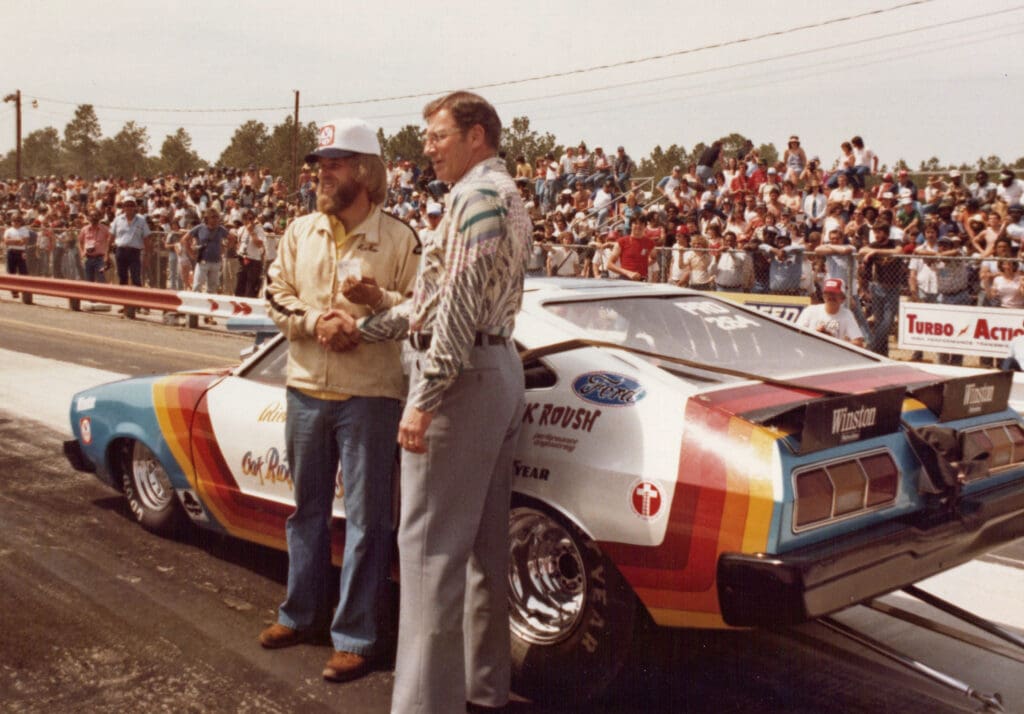
Rickie Smith still qualified second.

After the run, emotions boiled over at the top end.


“He gets out of the car and starts chasing me around the car,” Smith said. “He caught me and put me on the hood.”


NHRA officials intervened, and the incident ended without injury.


“He didn’t hurt me,” Smith said. “But it was probably one of the worst fights we ever had.”


Despite the tension, Smith said admiration for his father never faded.


“When we’d go to Bristol or Rockingham, he was the best there was,” Smith said. “I’d strut around like, yeah, that’s my dad.”


That pride matured into respect.


Smith credits his father with teaching him how to stand his ground and speak plainly.


“He doesn’t back down from anybody,” Smith said. “He speaks his mind.”
Smith said that approach is often misunderstood.


“A lot of people think that’s crying,” he said. “We’re just telling the truth.”

Financial reality reinforced that mindset.


“We didn’t have money,” Smith said. “We have to earn everything we do.”


That mentality carried into professional competition.


“All we ever ask for is everybody on the same playing field,” he said.


The conversation eventually returned to his father, who still refuses to let Matt Smith drive the car.


“He won’t let me drive it because he can still do it,” Smith said. “And I’d never want to drive it if he’s still capable.”


Looking back, Smith said his life was shaped by expectation, not entitlement.


“I got to do kind of what I wanted to do,” Smith said. “I just had to go out and prove to everybody that I could do it.”


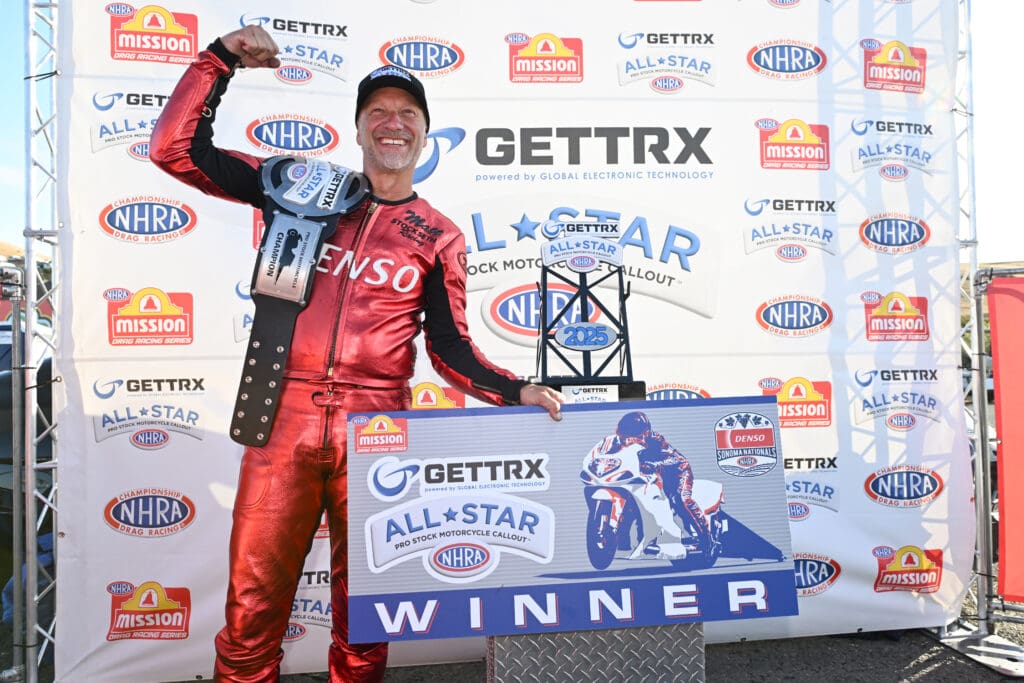
With six NHRA Pro Stock Motorcycle championships, Smith is tied with Andrew Hines and the late Dave Schultz for the most in category history.


For Matt Smith, the point has never been legacy.


“I just had to go out and prove to everybody that I could do it.”

Share the Insights?

Click here to share the article.

ad space x ad space

ad space x ad space

Competition Plus Team

Since our inception, we have been passionately dedicated to delivering the most accurate, timely, and compelling content in the world of drag racing. Our readers depend on us for the latest news, in-depth features, expert analysis, and exclusive interviews that connect you to the sport’s pulse.

Sign up for our newsletters and email list.

This field is for validation purposes and should be left unchanged.
Name

PROOF OVER PEDIGREE: HOW MATT SMITH BUILT HIS OWN CAREER

Often, a second-generation drag racer is forced to answer the same question again and again — whether success came from talent or inheritance. Matt Smith has never hesitated to answer it, and he does so without apology.

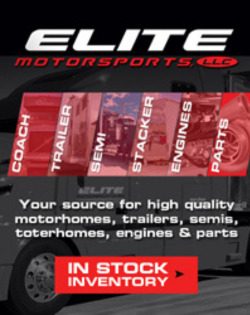
 

Smith insists he did not ride his father’s coattails, and more importantly, he never had the option to try. Growing up as the only son of Rickie Smith meant nothing came easy, nothing came free, and nothing came without consequences.

Rickie Smith, a 10-time world champion known as much for discipline as dominance, made sure his son understood early that a famous last name carried responsibility, not privilege.


“I wanted to be just like him,Matt Smith said.Growing up, watching him race and winning and doing all the stuff that he did, I wanted to do exactly what he did.”


When Smith asked his father for a car, the answer was immediate.


“I said,Hey, let me drive the car. Give me a car,’ Smith recalled.He’s like,I ain’t getting you nothing. Nobody gave me this. You’ve got to earn it.’”


That response set the tone for a relationship built on standards, not sentiment, and pushed Matt Smith toward a path that would define his career.


Unable to afford a car and unwilling to wait, Smith bought a motorcycle, not as a statement, but as a solution.


Smith’s early racing years unfolded at local tracks, where reputation mattered less than results.


He raced at Farmington Dragway and Piedmont Dragway, starting on a street bike before moving to a wheelie-bar motorcycle.


“I ran Farmington. I ran Piedmont,” Smith said. “I started with a little street bike, and then as I got good with that, I bought me a little old wheelie-bar bike.”


As wins followed, confidence grew.


“I got good and started winning races and won a track championship,” he said. “And I was like, man, I want to go more.”


That ambition pushed him into organized motorcycle competition, including SCRA racing in Greensboro.


Throughout that climb, Rickie Smith remained intentionally distant.


“He didn’t go to none of the local races,” Matt Smith said. “He was so busy with his car stuff.”


There were no shortcuts, no introductions, and no borrowed credibility — only work and results.


Earning his way extended beyond racing and into the shop.


When Rickie Smith landed a Stroh’s Light promotional deal, Matt Smith said he sold the beer himself, treating sponsorship as inventory rather than entitlement.


“I was selling the promo cases of beer in the shop,” Smith said. “That was part of earning my way, just like everything else.”


Only after Matt Smith began winning consistently did his father acknowledge the trajectory.


“Once I started winning a lot, he was like, ‘Well, you’re doing good,’” Smith said.


The first real assistance came when Matt Smith decided to pursue NHRA competition.


Rickie Smith suggested renting a motorcycle from Shawn Gann to test the waters.

“We rented a bike and went to Piedmont Dragway,” Smith said. “Sean rode it two passes, and then I jumped on it.”


The results surprised everyone involved.


“I went like .02 or 03 faster than Sean,” Smith said. “They were like, something’s wrong.”


After confirming data and weight, Smith knew the opportunity was real.


“So right then I knew I could do it,” he said.


Only then did Rickie Smith help financially.


“He gave me $10,000, Larry Tutterow gave me $10,000, and I went and bought a complete bike,” Smith said.


The assistance did not soften expectations.


Long before championships followed, Smith’s upbringing had already shaped his work ethic.


“He was very strict on me, very rough on me,” Smith said.

Discipline in the Smith household was direct and remembered clearly.


“Oh no, it was all hand,” Smith said. “He never picked the belt up.”


That discipline extended to childhood mistakes.


“Probably the biggest thing I ever got in trouble for is when I scared my sister, Melissa, and she fell down the steps,” Smith said.


He was 11 years old and old enough to know better.


“That’s why I got my butt beat,” he said.


Race weekends brought pride and tension, especially as Smith reached his teenage years.


One confrontation at Sonoma Raceway became a defining moment.


“I got mad and hollered back at him,” Smith said. “I slammed the door and the door come off the hinge.”


Rickie Smith still qualified second.

After the run, emotions boiled over at the top end.


“He gets out of the car and starts chasing me around the car,” Smith said. “He caught me and put me on the hood.”


NHRA officials intervened, and the incident ended without injury.


“He didn’t hurt me,” Smith said. “But it was probably one of the worst fights we ever had.”


Despite the tension, Smith said admiration for his father never faded.


“When we’d go to Bristol or Rockingham, he was the best there was,” Smith said. “I’d strut around like, yeah, that’s my dad.”


That pride matured into respect.


Smith credits his father with teaching him how to stand his ground and speak plainly.


“He doesn’t back down from anybody,” Smith said. “He speaks his mind.”
Smith said that approach is often misunderstood.


“A lot of people think that’s crying,” he said. “We’re just telling the truth.”

Financial reality reinforced that mindset.


“We didn’t have money,” Smith said. “We have to earn everything we do.”


That mentality carried into professional competition.


“All we ever ask for is everybody on the same playing field,” he said.


The conversation eventually returned to his father, who still refuses to let Matt Smith drive the car.


“He won’t let me drive it because he can still do it,” Smith said. “And I’d never want to drive it if he’s still capable.”


Looking back, Smith said his life was shaped by expectation, not entitlement.


“I got to do kind of what I wanted to do,” Smith said. “I just had to go out and prove to everybody that I could do it.”


With six NHRA Pro Stock Motorcycle championships, Smith is tied with Andrew Hines and the late Dave Schultz for the most in category history.


For Matt Smith, the point has never been legacy.


“I just had to go out and prove to everybody that I could do it.”

Picture of John Doe

John Doe

Lorem ipsum dolor sit amet consectetur adipiscing elit dolor

More Posts

Send Us A Message

Picture of Bobby Bennett
Bobby Bennett
Thank you for joining us on this journey. Your support and trust inspire us every day to deliver the best in drag racing journalism. We are excited about the future and look forward to continuing to serve you with the same dedication and passion that has defined CompetitionPlus.com from the very beginning.

Don’t miss these other exciting stories!

Explore more action packed posts on Competition Plus, where we dive into the latest in Drag Racing News. Discover a range of topics, from race coverage to in-depth interviews, to keep you informed and entertained.