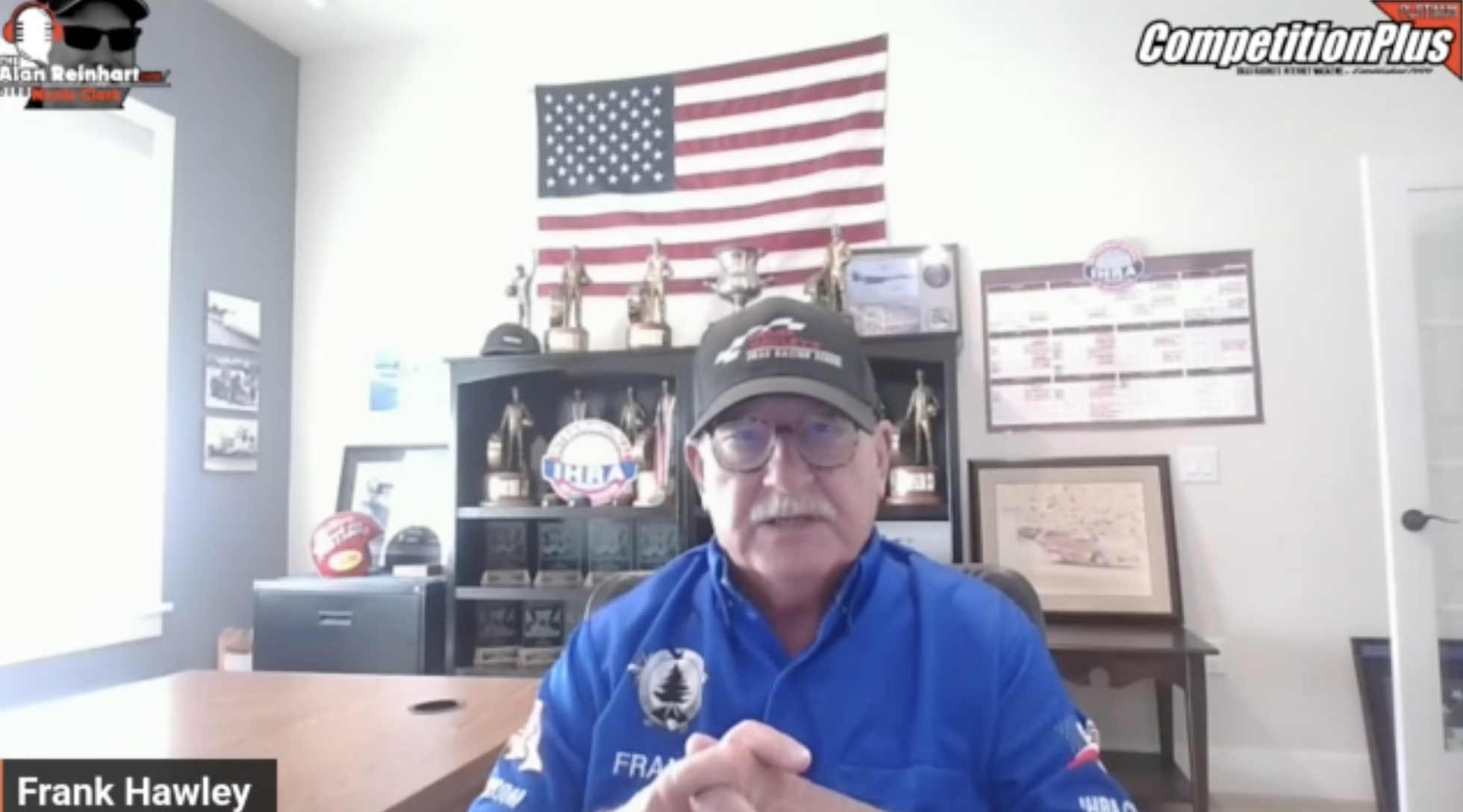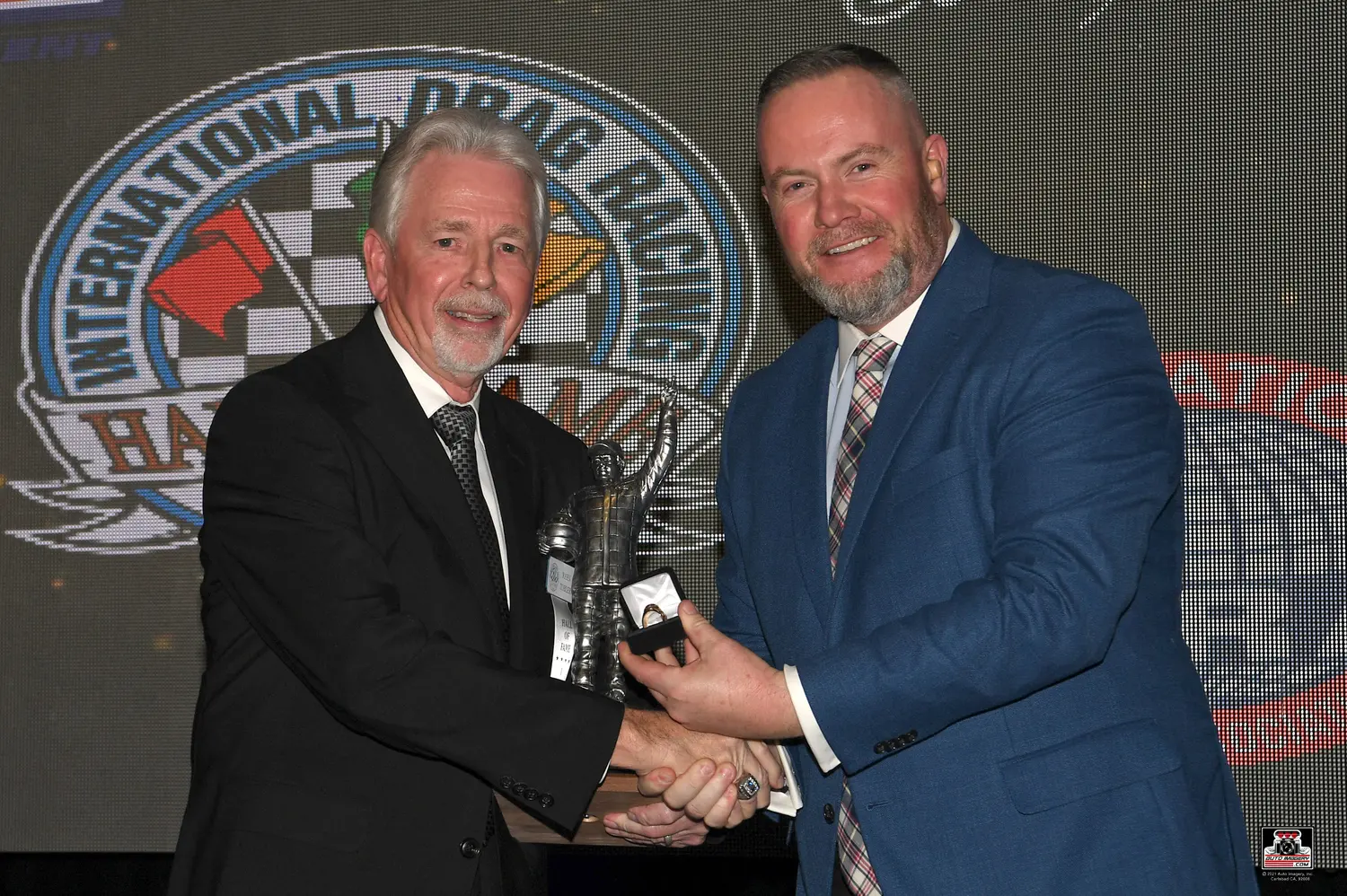

Rahn Tobler knew what he wanted in life as early as high school, and it wasn’t complicated. He wanted to race, and everything else became something to get through so he could get back to it.

“I only graduated high school because I wanted to stay racing,” Tobler said. “I raced the last two years of high school and I only wanted to just get through it so I could just race all the time. But somewhere in this little mind of mine, there’s a little part of my brain that was really good on Sundays.”

That mindset — equal parts urgency and clarity — became the through line of a career that led him from a Houston repair shop to the Don Garlits International Drag Racing Hall of Fame. It also explains why Tobler never built his reputation chasing headlines.

“I was never going to be the guy with 38 No. 1 qualifiers in a year,” Tobler said. “My goal when I got there on Friday was to get ready for Sunday.”

For Tobler, the Hall of Fame moment wasn’t about validation as much as it was reflection — and discomfort. Not from the recognition, but from having to explain a life he spent doing instead of talking.

“It was very much an honor,” Tobler said. “It was very intimidating for the two weeks prior to going down there with trying to write a speech and trying to compact it into a reasonable amount of time and then delivering that speech. I’m not a public speaker.”

Condensing 55 years into a single speech forced him back to the beginning, to a modest Houston shop where opportunity met instruction. It’s where Tobler and Dickie Venables learned under the guidance of Dick Venables Sr., long before either knew where the road would lead.

“It was tough from the standpoint of having to compress 55 years in this,” Tobler said. “I certainly wanted to talk about Dick Venables, Sr. because if there was no Dick Venables Sr., I’m not sitting there.”

From that unlikely starting point came one of drag racing’s most productive pipelines of talent. The numbers still resonate because they weren’t expected.

“Those two kids that came out of that shop, with 150 race wins at least, and eight world championships between these two kids,” Tobler said.
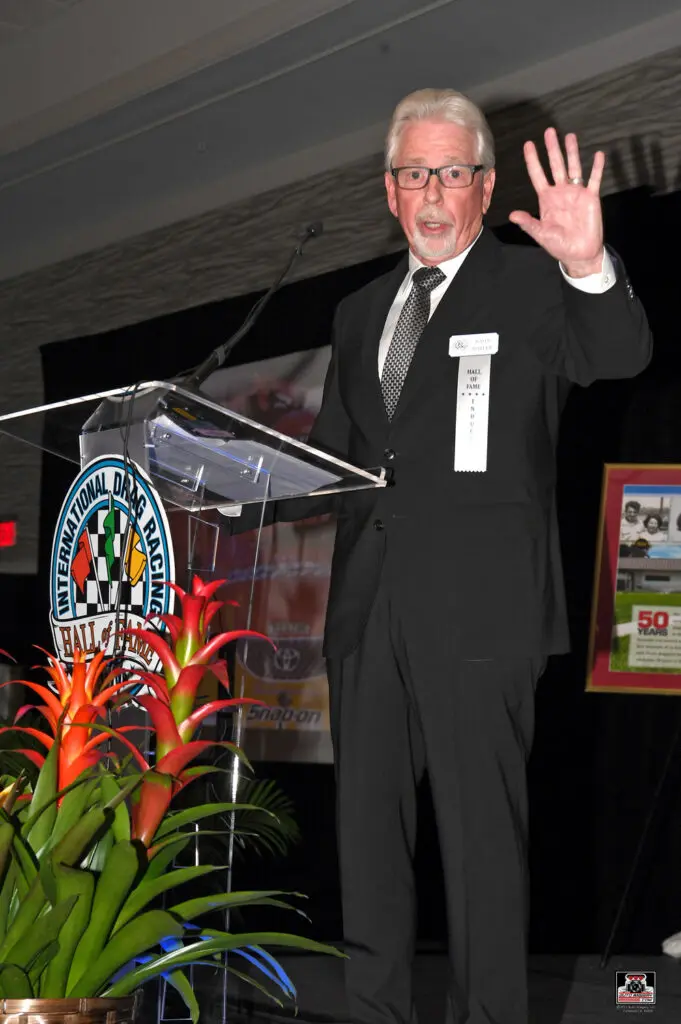

The Hall of Fame ceremony itself reinforced what Tobler’s career has always been about — relationships built over time, not moments captured in isolation. He didn’t arrive alone, and he didn’t celebrate alone.

“It was pretty cool from that standpoint to see them and talk with them for a little bit and enjoy a meal with them,” Tobler said. “And yeah, it was very, very special. But I felt so much better.”

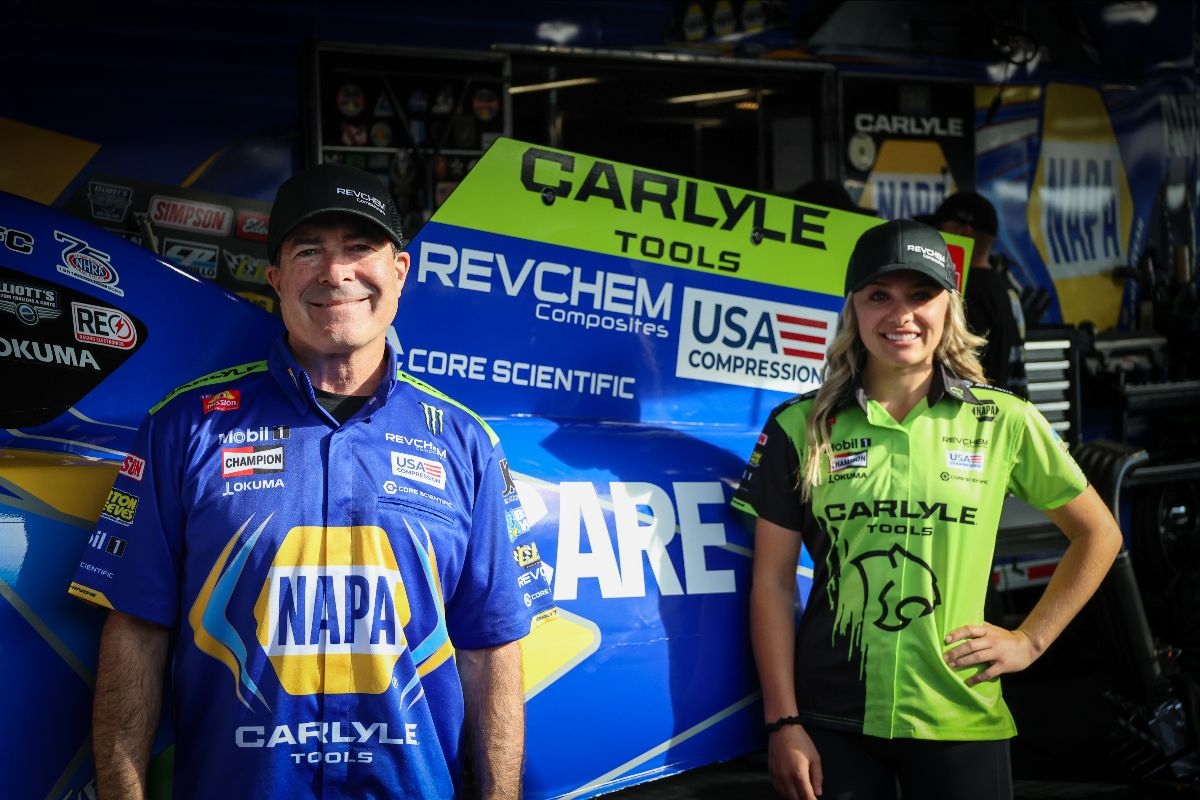
He brought 30 guests, including six of his most recent drivers — Doug Kalitta, Cruz Pedregon, T.J. Zizzo, Jack Beckman, Ron Capps, and Austin Prock — each representing a different chapter of a career defined by trust and continuity. Their presence told a story numbers never could.

As meaningful as that night was, the celebration that followed at home may have said even more about Tobler as a person. It had nothing to do with championships or statistics, and everything to do with community.

“They hired a band and everything,” Tobler said. “And that was a lot of fun because I was under no pressure there. We had a great time with that. And this band is kind of a local band that we’ve gotten to know and we kind of follow them around.”

The party wasn’t orchestrated by a team or a sponsor. It came from neighbors who understood the man behind the results, and Tobler appreciated that difference.

“So my wife always says she has a birthday month,” Tobler said. “Well, I had a Hall of Fame week and a half.”

Long before recognition followed results, Tobler built his approach in conditions that didn’t reward ambition as much as they demanded discipline. The lessons came on tracks where survival mattered more than speed.

“You just have to be willing and able to slow your car down,” Tobler said. “I think a lot of these guys nowadays… they built such a powerful, such an all-conquering thing that sometimes it’s hard to slow down.”

That philosophy came from match racing days and underprepared surfaces, where the objective wasn’t setting records but making it to the finish line. It required a different kind of thinking, one that still shapes his perspective.

“You had to go from A to B with header flames and put on a show to get your money,” Tobler said. “There was no track prep, there was none of those things in those days.”

Managing power — not just producing it — became Tobler’s advantage. It’s also where he sees modern teams occasionally lose sight of the bigger picture.

“Sometimes when you add that six disc in there, you can’t slow it down enough,” Tobler said. “It makes the car more aggressive, that’s for sure.”

That aggression, he explained, must be matched with restraint elsewhere, particularly in the fuel system. It’s a detail that separates controlled performance from wasted opportunity.

“When you do slow that clutch down, you have to also slow down the fuel delivery,” Tobler said. “That’s one of the main things that I see guys… they’ll go out there and slow the car down, but they’ll go out and put a cylinder out.”

Those early lessons created a tuner capable of adapting to any condition, which in turn made him dangerous when the track cooperated. In Tobler’s world, the worst conditions were the best teachers.

“As a crew chief I start looking at the weather a month out,” Tobler said.

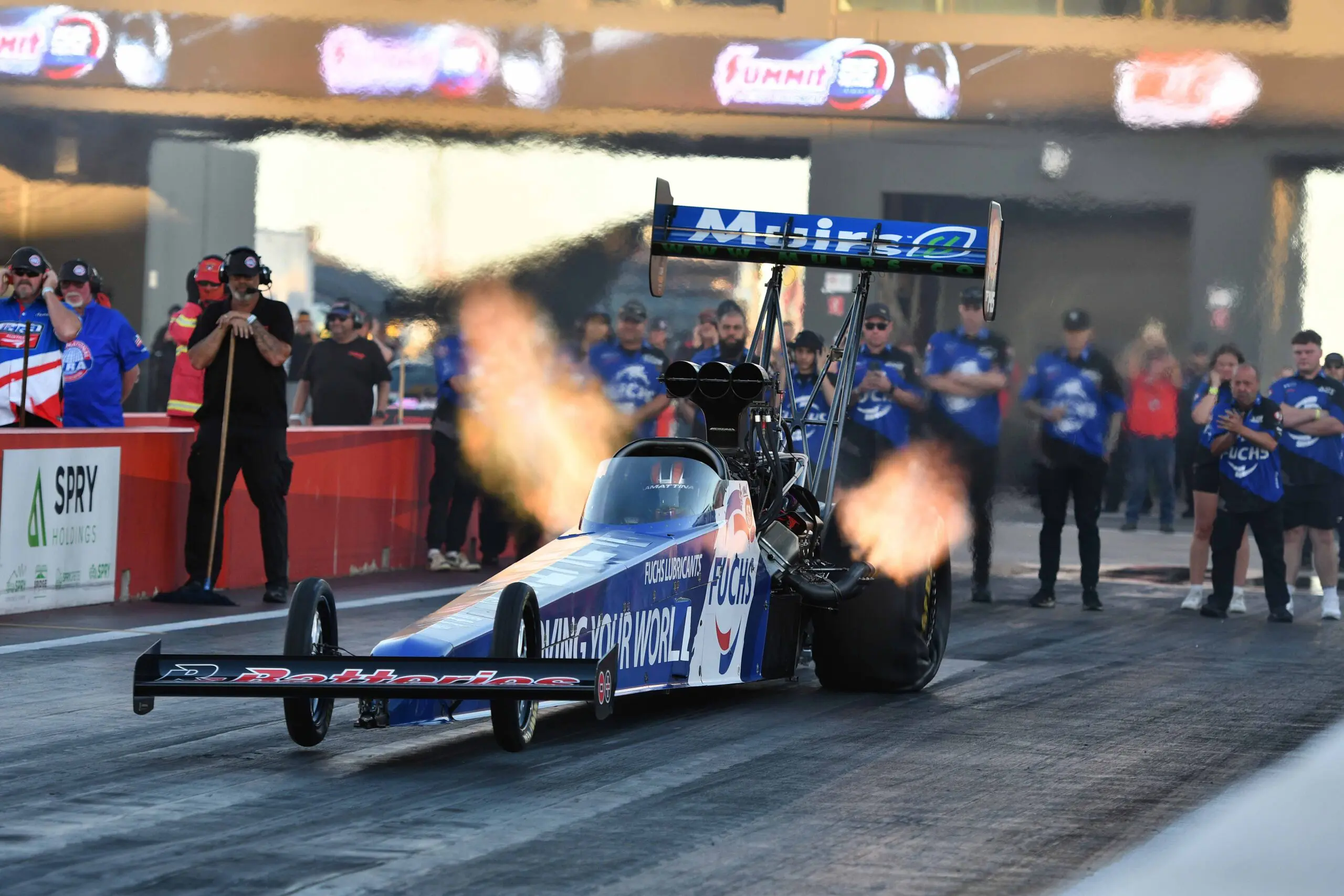
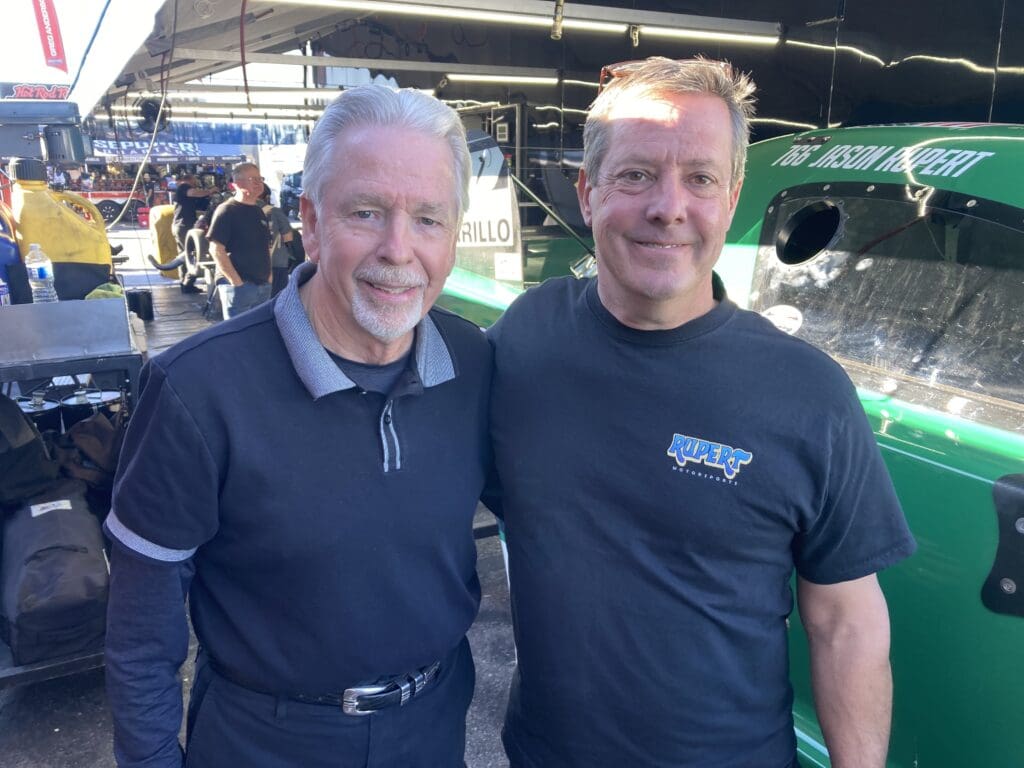
Even now, he hasn’t stepped away completely. Tobler still works in a part-time role as a tuner and advisor for Funny Car racer Jason Rupert and Top Fuel driver T.J. Zizzo, applying the same preparation that defined his full-time years.

“Hall of Famer or not, you still got to deal with it,” Tobler said. “I still got to go over there and achieve my first goal, which is to get the guy qualified and get his qualifying money so he can come back and race.”

Looking back, it all started when Connie Kalitta offered him an opportunity few would have predicted. Tobler didn’t hesitate, even if he didn’t fully understand where it would lead.

“He’s like, ‘Hey kid, you want to be my crew chief?’” Tobler said. “I was 23 years old… and I said, ‘Sure.’”

That decision placed him alongside Shirley Muldowney during one of Top Fuel’s defining eras, leading to multiple championships and establishing Tobler as a fixture in championship-level programs. It also reinforced the importance of environment.

“I’ve been surrounded… especially in this century,” Tobler said. “I was put in an opportunity to be able to go out and be successful with the infrastructure, with the people, with the parts, with the company.”

As his responsibilities grew, Tobler transitioned from hands-on mechanic to leader of larger teams. That shift required a different skill set, one centered on teaching and trust.

“I feel anybody can be taught,” Tobler said. “I always used to say when I hired people… ‘Do you know the difference between a half-inch wrench and a 9/16 wrench?’”

Managing people became as important as managing performance, and advice from Dickie Venables helped him navigate that change. It wasn’t about control, but balance.

“Worry about 80% of it, let the other 20% go,” Tobler said. “And that was really, really helpful to me.”

That approach allowed Tobler to build teams that could operate independently while still aligning with his expectations. It also reinforced a culture where accountability was understood, not enforced.

“If I squirt gas in this thing and you pull the wire, it doesn’t start, I’m going to set the gas bottle over here on the bench and I’m going to be up in the lounge,” Tobler said. “You guys fix this because you know way more about this stuff than I do.”

Through every phase of his career, one priority never changed — preparing for race day. Not qualifying sheets, not records, but the moment that defines everything.

“My goal when I got there on Friday was to get ready for Sunday,” Tobler said. “That was my sole focus all weekend.”

Tobler never believed in spreading blame around the pit area. If something went wrong, he knew exactly where it landed.

“If I got outrun, that’s my fault. If we smoke the tires, that’s my fault,” Tobler said. “Most of the time when I leave, it’s my fault. And I’m the one that has to deal with it.”

These days, he isn’t chasing the full grind, but he hasn’t stepped away either. He still shows up in a part-time role with Funny Car racer Jason Rupert and Top Fuel driver T.J. Zizzo, picking his spots while staying connected to the work.

“It’s kind of interesting not being out there every week,” Tobler said. “But there’s a hidden part of me that’s still a spectator and obviously still loves the sport.”

The résumé says Hall of Famer. Tobler still sees it a little differently.

“Somewhere in this little mind of mine, there’s a little part of my brain that was really good on Sundays.”

Share the Insights?

Click here to share the article.

ad space x ad space

ad space x ad space

Competition Plus Team

Since our inception, we have been passionately dedicated to delivering the most accurate, timely, and compelling content in the world of drag racing. Our readers depend on us for the latest news, in-depth features, expert analysis, and exclusive interviews that connect you to the sport’s pulse.

Sign up for our newsletters and email list.

This field is for validation purposes and should be left unchanged.
Name

RAHN TOBLER NEVER CHASED PERFECTION — HE BUILT A HALL OF FAME CAREER CHASING SUNDAYS

Rahn Tobler knew what he wanted in life as early as high school, and it wasn’t complicated. He wanted to race, and everything else became something to get through so he could get back to it.

“I only graduated high school because I wanted to stay racing,” Tobler said. “I raced the last two years of high school and I only wanted to just get through it so I could just race all the time. But somewhere in this little mind of mine, there’s a little part of my brain that was really good on Sundays.”

That mindset — equal parts urgency and clarity — became the through line of a career that led him from a Houston repair shop to the Don Garlits International Drag Racing Hall of Fame. It also explains why Tobler never built his reputation chasing headlines.

“I was never going to be the guy with 38 No. 1 qualifiers in a year,” Tobler said. “My goal when I got there on Friday was to get ready for Sunday.”

For Tobler, the Hall of Fame moment wasn’t about validation as much as it was reflection — and discomfort. Not from the recognition, but from having to explain a life he spent doing instead of talking.

“It was very much an honor,” Tobler said. “It was very intimidating for the two weeks prior to going down there with trying to write a speech and trying to compact it into a reasonable amount of time and then delivering that speech. I’m not a public speaker.”

Condensing 55 years into a single speech forced him back to the beginning, to a modest Houston shop where opportunity met instruction. It’s where Tobler and Dickie Venables learned under the guidance of Dick Venables Sr., long before either knew where the road would lead.

“It was tough from the standpoint of having to compress 55 years in this,” Tobler said. “I certainly wanted to talk about Dick Venables, Sr. because if there was no Dick Venables Sr., I’m not sitting there.”

From that unlikely starting point came one of drag racing’s most productive pipelines of talent. The numbers still resonate because they weren’t expected.

“Those two kids that came out of that shop, with 150 race wins at least, and eight world championships between these two kids,” Tobler said.
The Hall of Fame ceremony itself reinforced what Tobler’s career has always been about — relationships built over time, not moments captured in isolation. He didn’t arrive alone, and he didn’t celebrate alone.

“It was pretty cool from that standpoint to see them and talk with them for a little bit and enjoy a meal with them,” Tobler said. “And yeah, it was very, very special. But I felt so much better.”

He brought 30 guests, including six of his most recent drivers — Doug Kalitta, Cruz Pedregon, T.J. Zizzo, Jack Beckman, Ron Capps, and Austin Prock — each representing a different chapter of a career defined by trust and continuity. Their presence told a story numbers never could.

As meaningful as that night was, the celebration that followed at home may have said even more about Tobler as a person. It had nothing to do with championships or statistics, and everything to do with community.

“They hired a band and everything,” Tobler said. “And that was a lot of fun because I was under no pressure there. We had a great time with that. And this band is kind of a local band that we’ve gotten to know and we kind of follow them around.”

The party wasn’t orchestrated by a team or a sponsor. It came from neighbors who understood the man behind the results, and Tobler appreciated that difference.

“So my wife always says she has a birthday month,” Tobler said. “Well, I had a Hall of Fame week and a half.”
Long before recognition followed results, Tobler built his approach in conditions that didn’t reward ambition as much as they demanded discipline. The lessons came on tracks where survival mattered more than speed.

“You just have to be willing and able to slow your car down,” Tobler said. “I think a lot of these guys nowadays… they built such a powerful, such an all-conquering thing that sometimes it’s hard to slow down.”

That philosophy came from match racing days and underprepared surfaces, where the objective wasn’t setting records but making it to the finish line. It required a different kind of thinking, one that still shapes his perspective.

“You had to go from A to B with header flames and put on a show to get your money,” Tobler said. “There was no track prep, there was none of those things in those days.”

Managing power — not just producing it — became Tobler’s advantage. It’s also where he sees modern teams occasionally lose sight of the bigger picture.

“Sometimes when you add that six disc in there, you can’t slow it down enough,” Tobler said. “It makes the car more aggressive, that’s for sure.”

That aggression, he explained, must be matched with restraint elsewhere, particularly in the fuel system. It’s a detail that separates controlled performance from wasted opportunity.

“When you do slow that clutch down, you have to also slow down the fuel delivery,” Tobler said. “That’s one of the main things that I see guys… they’ll go out there and slow the car down, but they’ll go out and put a cylinder out.”

Those early lessons created a tuner capable of adapting to any condition, which in turn made him dangerous when the track cooperated. In Tobler’s world, the worst conditions were the best teachers.

“As a crew chief I start looking at the weather a month out,” Tobler said.

Even now, he hasn’t stepped away completely. Tobler still works in a part-time role as a tuner and advisor for Funny Car racer Jason Rupert and Top Fuel driver T.J. Zizzo, applying the same preparation that defined his full-time years.

“Hall of Famer or not, you still got to deal with it,” Tobler said. “I still got to go over there and achieve my first goal, which is to get the guy qualified and get his qualifying money so he can come back and race.”

Looking back, it all started when Connie Kalitta offered him an opportunity few would have predicted. Tobler didn’t hesitate, even if he didn’t fully understand where it would lead.

“He’s like, ‘Hey kid, you want to be my crew chief?’” Tobler said. “I was 23 years old… and I said, ‘Sure.’”

That decision placed him alongside Shirley Muldowney during one of Top Fuel’s defining eras, leading to multiple championships and establishing Tobler as a fixture in championship-level programs. It also reinforced the importance of environment.

“I’ve been surrounded… especially in this century,” Tobler said. “I was put in an opportunity to be able to go out and be successful with the infrastructure, with the people, with the parts, with the company.”

As his responsibilities grew, Tobler transitioned from hands-on mechanic to leader of larger teams. That shift required a different skill set, one centered on teaching and trust.

“I feel anybody can be taught,” Tobler said. “I always used to say when I hired people… ‘Do you know the difference between a half-inch wrench and a 9/16 wrench?’”

Managing people became as important as managing performance, and advice from Dickie Venables helped him navigate that change. It wasn’t about control, but balance.

“Worry about 80% of it, let the other 20% go,” Tobler said. “And that was really, really helpful to me.”

That approach allowed Tobler to build teams that could operate independently while still aligning with his expectations. It also reinforced a culture where accountability was understood, not enforced.

“If I squirt gas in this thing and you pull the wire, it doesn’t start, I’m going to set the gas bottle over here on the bench and I’m going to be up in the lounge,” Tobler said. “You guys fix this because you know way more about this stuff than I do.”

Through every phase of his career, one priority never changed — preparing for race day. Not qualifying sheets, not records, but the moment that defines everything.

“My goal when I got there on Friday was to get ready for Sunday,” Tobler said. “That was my sole focus all weekend.”

Tobler never believed in spreading blame around the pit area. If something went wrong, he knew exactly where it landed.

“If I got outrun, that’s my fault. If we smoke the tires, that’s my fault,” Tobler said. “Most of the time when I leave, it’s my fault. And I’m the one that has to deal with it.”

These days, he isn’t chasing the full grind, but he hasn’t stepped away either. He still shows up in a part-time role with Funny Car racer Jason Rupert and Top Fuel driver T.J. Zizzo, picking his spots while staying connected to the work.

“It’s kind of interesting not being out there every week,” Tobler said. “But there’s a hidden part of me that’s still a spectator and obviously still loves the sport.”

The résumé says Hall of Famer. Tobler still sees it a little differently.

“Somewhere in this little mind of mine, there’s a little part of my brain that was really good on Sundays.”


Picture of John Doe

John Doe

Lorem ipsum dolor sit amet consectetur adipiscing elit dolor

More Posts

Send Us A Message

Don’t miss these other exciting stories!

Explore more action packed posts on Competition Plus, where we dive into the latest in Drag Racing News. Discover a range of topics, from race coverage to in-depth interviews, to keep you informed and entertained.