Some of the most important moments in drag racing never happened on the racetrack. They happened quietly, in conversations and contracts, long before the first car ever fired.

One of those moments determined who would control the future of the NHRA in North Texas. It came down to timing, leverage, and a piece of land.

By the mid-1980s, the Dallas-Fort Worth market was wide open, still feeling the absence left behind by Dallas International Motor Speedway. The region had proven it could support major drag racing, but it had also proven that ambition without execution wouldn’t last.

What came next wasn’t inevitable. It was there for whoever got there first.

Billy Meyer intended to be that guy, and he made it clear early.

“I had announced that I was going to build a racetrack,” Meyer said. “So him and Norman Pearah, Moose, that I’d known in Baton Rouge, they wanted to one-up me. They wanted to jump in front of me and build a racetrack.”

That challenge came from Kenny Bernstein, a rival who understood both the business and the optics of a move like that. When Meyer went public, Bernstein and Pearah didn’t hesitate to counter.

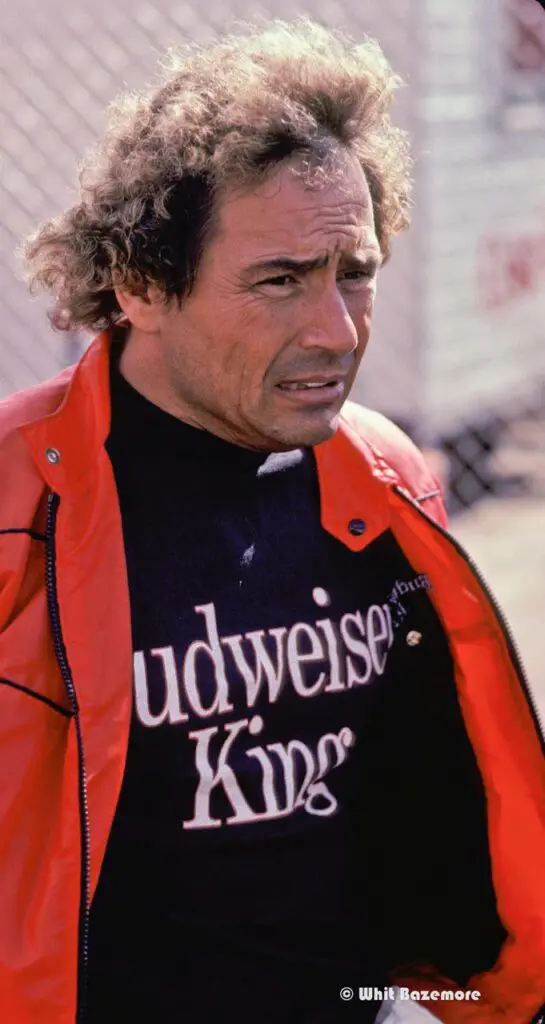
“Yeah, he called me up one time and wanted to build a track in Dallas and got me all hopped up about it,” Bernstein said. “Which way we wanted to go ahead, and I was excited about it. So I went in there and we had a big press conference and the whole thing — and we didn’t even have any ground yet.”
That last line mattered more than anything else said that day. They had momentum, but they didn’t have control.

The push to build a track wasn’t just business. Meyer and Bernstein had spent years in the same orbit, sometimes helping each other, sometimes trying to beat each other, often doing both at the same time.

In drag racing, relationships rarely stay in one lane.

That’s what made what happened next feel less like coincidence and more like instinct.

Meyer didn’t counter with another announcement. He didn’t try to win the narrative.

He went looking for control.

“I said, ‘Well, where are they going to build their racetrack?’” Meyer said. “And they said, ‘Well, this so-and-so land.’ I said, ‘Maybe you need to call and find out who owns that land.’”

What he found wasn’t just an opening. It was the entire race.

“Because what I did was found out where they were going to build, and I found the realtor,” Meyer said. “And found out their option had ran out. And so I bought the land out from under them and they didn’t know it.”

No press conference. No warning shot. Just a move that ended the competition before it ever reached the starting line.

In a sport defined by reaction time, Meyer had already left before anyone else staged.

“I ended up owning two pieces of property for about four years,” Meyer said. “I never intended to build there. I just kept the property for a few years and then it sold. But yeah, that kind of shut their project.”

That wasn’t a delay. That was the finish line.

From Bernstein’s perspective, the moment didn’t carry the kind of edge people might expect from a rivalry like theirs. Time has a way of sanding those edges down.

“Billy Meyer jumped in there real quick and established building the one in Dallas,” Bernstein said earlier. “So that knocked us out of our game.”

The difference came down to approach as much as timing.

“Moose was the kind of guy, he was just thinking really big all the time,” Bernstein said. “Most of the time he got it done some way, somehow — not always been a straight line.”

Meyer wasn’t thinking in big arcs. He was thinking in outcomes.

That’s why his move didn’t just win a deal. It set the direction of drag racing in North Texas for decades.

The Texas Motorplex didn’t just fill a void — it defined the market, anchoring NHRA championship racing in a region that had gone more than a decade without a premier facility.

It feels obvious now. It wasn’t then.

Had Bernstein and Pearah secured that land, the balance of power could have shifted. The facility might have been built under a different vision, with different priorities and a different long-term impact.

Instead, Meyer controlled the narrative before it was ever written.

The irony is the two men at the center of it never fit cleanly into the roles of rivals or allies. They were competitors first, and everything else shifted around that.

“At times we were good friends, at times we were just a little different,” Bernstein said. “I don’t even remember what our issues were, to be honest about it.”

That’s how most things settle in this sport. The tension fades, but the results stay.

That was the code then, and it still is now.

Help when you can. Compete when it counts.

And when it came to Texas, Meyer didn’t just compete. He got there first, made the move, and by the time anyone realized what had happened, there was nothing left to race for.

“Billy Meyer jumped in there real quick and established building the one in Dallas,” Bernstein said. “So that knocked us out of our game. That was fine with me, really.”

Share the Insights?

Click here to share the article.

ad space x ad space

ad space x ad space

Competition Plus Team

Since our inception, we have been passionately dedicated to delivering the most accurate, timely, and compelling content in the world of drag racing. Our readers depend on us for the latest news, in-depth features, expert analysis, and exclusive interviews that connect you to the sport’s pulse.

Sign up for our newsletters and email list.

This field is for validation purposes and should be left unchanged.
Name

THE LAND DEAL THAT DECIDED TEXAS DRAG RACING: MEYER, BERNSTEIN AND THE MOVE NO ONE SAW COMING

Some of the most important moments in drag racing never happened on the racetrack. They happened quietly, in conversations and contracts, long before the first car ever fired.

One of those moments determined who would control the future of the NHRA in North Texas. It came down to timing, leverage, and a piece of land.

By the mid-1980s, the Dallas-Fort Worth market was wide open, still feeling the absence left behind by Dallas International Motor Speedway. The region had proven it could support major drag racing, but it had also proven that ambition without execution wouldn’t last.

What came next wasn’t inevitable. It was there for whoever got there first.

Billy Meyer intended to be that guy, and he made it clear early.

“I had announced that I was going to build a racetrack,” Meyer said. “So him and Norman Pearah, Moose, that I’d known in Baton Rouge, they wanted to one-up me. They wanted to jump in front of me and build a racetrack.”

That challenge came from Kenny Bernstein, a rival who understood both the business and the optics of a move like that. When Meyer went public, Bernstein and Pearah didn’t hesitate to counter.

“Yeah, he called me up one time and wanted to build a track in Dallas and got me all hopped up about it,” Bernstein said. “Which way we wanted to go ahead, and I was excited about it. So I went in there and we had a big press conference and the whole thing — and we didn’t even have any ground yet.”
That last line mattered more than anything else said that day. They had momentum, but they didn’t have control.

The push to build a track wasn’t just business. Meyer and Bernstein had spent years in the same orbit, sometimes helping each other, sometimes trying to beat each other, often doing both at the same time.

In drag racing, relationships rarely stay in one lane.

That’s what made what happened next feel less like coincidence and more like instinct.

Meyer didn’t counter with another announcement. He didn’t try to win the narrative.

He went looking for control.

“I said, ‘Well, where are they going to build their racetrack?’” Meyer said. “And they said, ‘Well, this so-and-so land.’ I said, ‘Maybe you need to call and find out who owns that land.’”

What he found wasn’t just an opening. It was the entire race.

“Because what I did was found out where they were going to build, and I found the realtor,” Meyer said. “And found out their option had ran out. And so I bought the land out from under them and they didn’t know it.”

No press conference. No warning shot. Just a move that ended the competition before it ever reached the starting line.

In a sport defined by reaction time, Meyer had already left before anyone else staged.

“I ended up owning two pieces of property for about four years,” Meyer said. “I never intended to build there. I just kept the property for a few years and then it sold. But yeah, that kind of shut their project.”

That wasn’t a delay. That was the finish line.

From Bernstein’s perspective, the moment didn’t carry the kind of edge people might expect from a rivalry like theirs. Time has a way of sanding those edges down.

“Billy Meyer jumped in there real quick and established building the one in Dallas,” Bernstein said earlier. “So that knocked us out of our game.”

The difference came down to approach as much as timing.

“Moose was the kind of guy, he was just thinking really big all the time,” Bernstein said. “Most of the time he got it done some way, somehow — not always been a straight line.”

Meyer wasn’t thinking in big arcs. He was thinking in outcomes.
That’s why his move didn’t just win a deal. It set the direction of drag racing in North Texas for decades.

The Texas Motorplex didn’t just fill a void — it defined the market, anchoring NHRA championship racing in a region that had gone more than a decade without a premier facility.

It feels obvious now. It wasn’t then.

Had Bernstein and Pearah secured that land, the balance of power could have shifted. The facility might have been built under a different vision, with different priorities and a different long-term impact.

Instead, Meyer controlled the narrative before it was ever written.

The irony is the two men at the center of it never fit cleanly into the roles of rivals or allies. They were competitors first, and everything else shifted around that.

“At times we were good friends, at times we were just a little different,” Bernstein said. “I don’t even remember what our issues were, to be honest about it.”

That’s how most things settle in this sport. The tension fades, but the results stay.

That was the code then, and it still is now.

Help when you can. Compete when it counts.

And when it came to Texas, Meyer didn’t just compete. He got there first, made the move, and by the time anyone realized what had happened, there was nothing left to race for.

“Billy Meyer jumped in there real quick and established building the one in Dallas,” Bernstein said. “So that knocked us out of our game. That was fine with me, really.”

Picture of John Doe

John Doe

Lorem ipsum dolor sit amet consectetur adipiscing elit dolor

More Posts

Send Us A Message

Picture of Bobby Bennett
Bobby Bennett
Thank you for joining us on this journey. Your support and trust inspire us every day to deliver the best in drag racing journalism. We are excited about the future and look forward to continuing to serve you with the same dedication and passion that has defined CompetitionPlus.com from the very beginning.

Don’t miss these other exciting stories!

Explore more action packed posts on Competition Plus, where we dive into the latest in Drag Racing News. Discover a range of topics, from race coverage to in-depth interviews, to keep you informed and entertained.