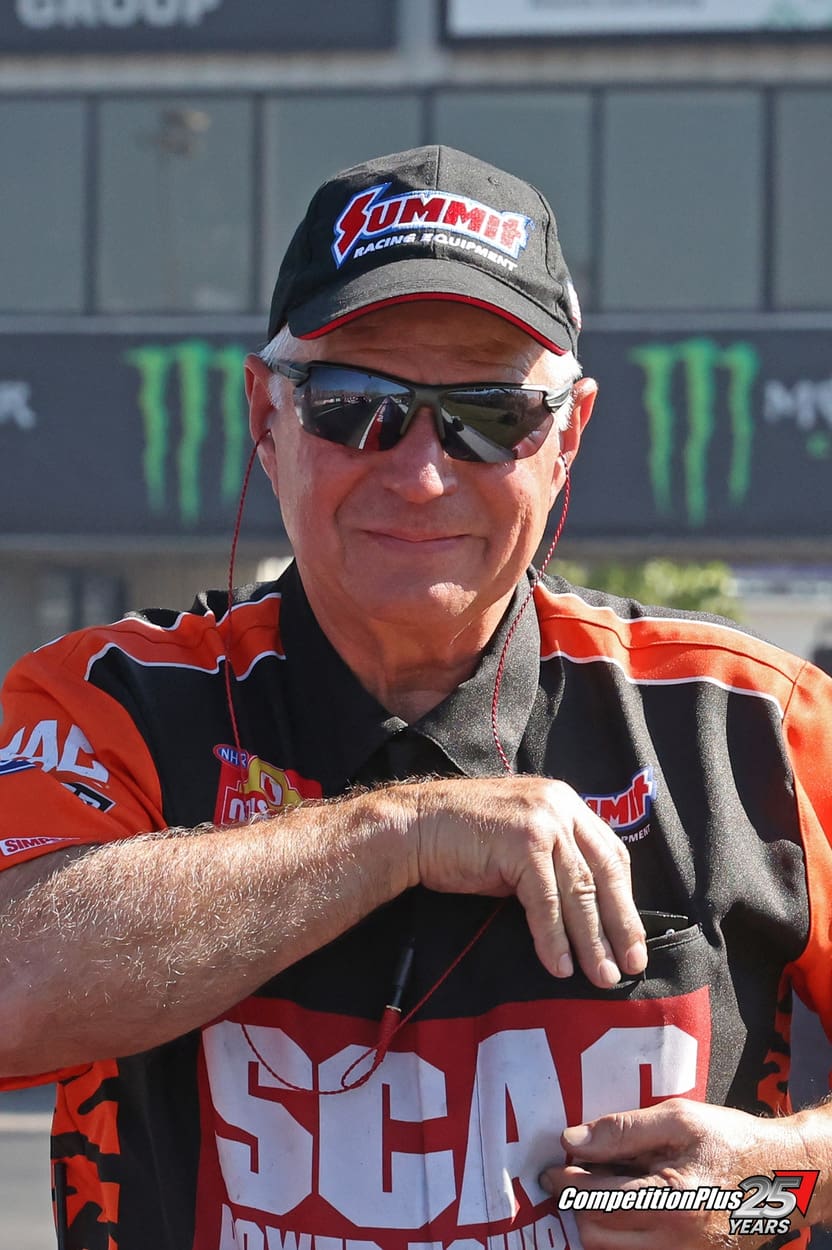

Tim Wilkerson said he’s secured NHRA Technical Department approval for a new 2026 Funny Car body-tethering system, a move he hopes will reduce the number of bodies launching upward during explosions. The veteran driver-tuner confirmed the design has echoes of a 2013 proposal he once submitted, a system later outlawed because it was believed to offer a performance advantage.


This project is a collaboration between Wilkerson and one of the most trusted chassis builders in drag racing, Murf McKinney. 


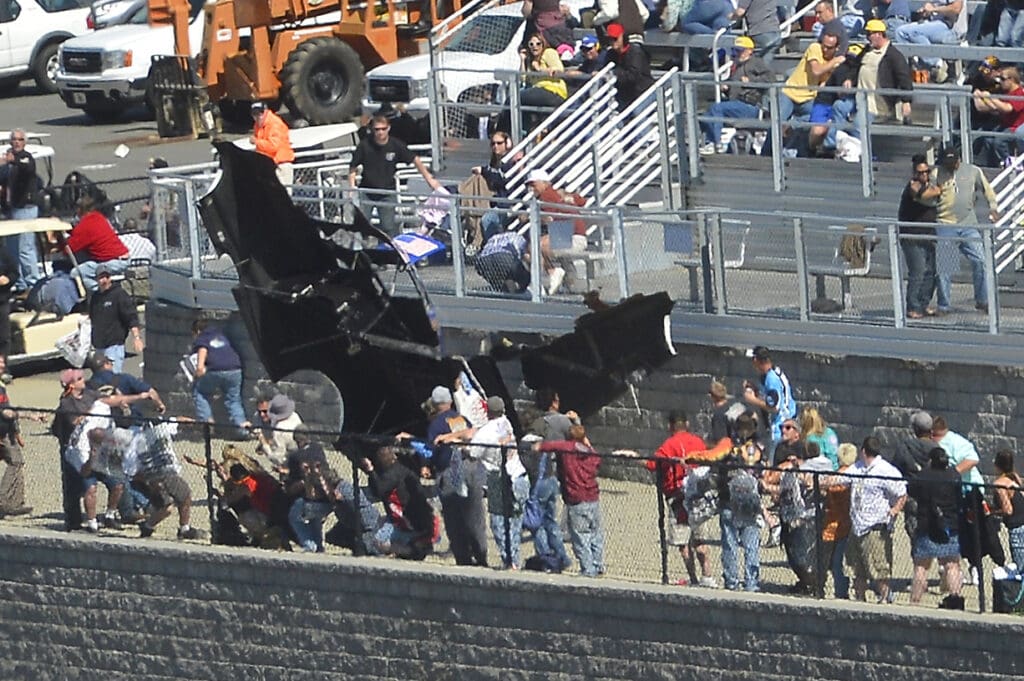
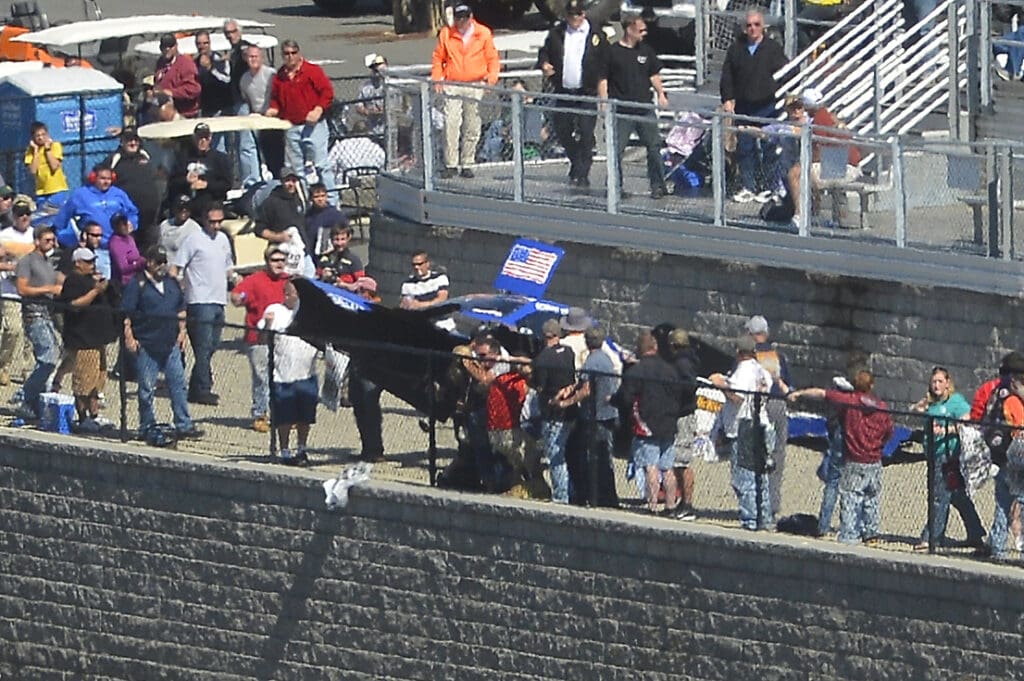
The new component centers on a single tether placed at the middle of the body structure. “We came up with a little system that hopefully will deter some of the dashes blowing in their faces and NHRA approved it,” Wilkerson said. “We have a tether in the middle now that if the thing blows straight up, it will grab the body on the way up.”


Wilkerson said his goal is control, not restriction. “The body will go as high as it does when you’re standing there holding it,” he said.


The design allows the body to rise during an explosion before being guided back toward the chassis. “What I’m trying to do is let the body go up high enough that it doesn’t fall off the car and then it’ll grab it and come back down,” he said.


He emphasized the system isn’t intended to hold the body aloft. It is instead meant to minimize separation and retain visibility for the driver.


When asked whether the process of helping develop a new safety component carried personal significance, Wilkerson pushed aside any praise. “I’m just trying to make everybody safe and fix something that we tried to do that really didn’t work, that maybe this will be better,” Wilkerson said. 
 

Ron Lewis Photos

Wilkerson acknowledged the harsh reality that no true test exists until a car experiences a major failure. “There’s no way to test this thing,” he said. “We’re going to have to have a catastrophe to see if it works.”


Still, he believes the improvement is meaningful. He also noted that not everyone supports the idea. “There’s other people that look at what I’m doing and they don’t really like it,” he said. “But until we run it, we’re not going to know.”


He referenced the pre-tether era, when blown bodies often separated from cars entirely. “Sometimes they just fell off the back,” he said. “This thing’s going to catch it on the way up and stop it and hopefully it just comes back down.”


Some critics have warned that a tether could cause the entire car to lift during an explosion. Wilkerson dismissed the concern. “We did some engineering studies and we don’t think it’ll do that,” he said.


For Wilkerson, the project carries added urgency after several 2024 incidents involving Buddy Hull, Matt Hagan and Daniel Wilkerson. He said his mindset changed after watching the impacts up close.


“My dad used to say, ‘Go do something even if it’s wrong,’” he said. “We think what we’re doing is going to work pretty good.”


The similarities to his original 2013 tether system have not gone unnoticed. The earlier design was sidelined after it was believed to alter the car’s aerodynamics. “It’s got some similarities, the dash does,” he said. “We really don’t know how it’s going to work because of this dash that’s in there.”


NHRA officials, he added, understand the direction. “He’s already said, ‘Well, yeah, we see what you’re trying to do. We’re trying to give the explosion someplace else to go,’” Wilkerson said. He isn’t sure how much that will matter. “But we’ll find out,” he said.


He framed the update as a step forward rather than a guarantee. “Doing the same thing and looking for different results, that’s not very smart,” he said. “So let’s try something different.”


Wilkerson said the ultimate payoff is simple: fewer drivers dealing with debris and failed structures during engine explosions. “The only home run that doesn’t get hit is the one that you don’t swing the bat at,” he said.


He remains committed to the process even as the debate intensifies across the pits and online. “I don’t know, buddy,” he said. “But we’ll find out.”

Share the Insights?

Click here to share the article.

ad space x ad space

ad space x ad space

Competition Plus Team

Since our inception, we have been passionately dedicated to delivering the most accurate, timely, and compelling content in the world of drag racing. Our readers depend on us for the latest news, in-depth features, expert analysis, and exclusive interviews that connect you to the sport’s pulse.

Sign up for our newsletters and email list.

This field is for validation purposes and should be left unchanged.
Name

WILKERSON SAYS NHRA HAS APPROVED NEW 2026 FUNNY CAR TETHER SYSTEM WITH ROOTS IN HIS OUTLAWED 2013 DESIGN

Tim Wilkerson said he’s secured NHRA Technical Department approval for a new 2026 Funny Car body-tethering system, a move he hopes will reduce the number of bodies launching upward during explosions. The veteran driver-tuner confirmed the design has echoes of a 2013 proposal he once submitted, a system later outlawed because it was believed to offer a performance advantage.


This project is a collaboration between Wilkerson and one of the most trusted chassis builders in drag racing, Murf McKinney. 


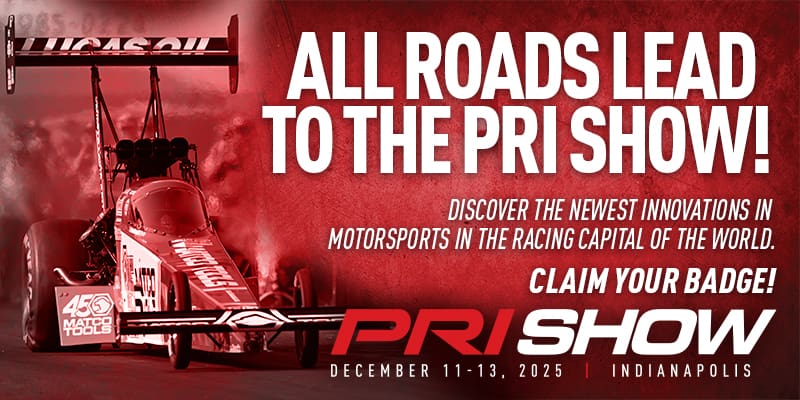
The new component centers on a single tether placed at the middle of the body structure. “We came up with a little system that hopefully will deter some of the dashes blowing in their faces and NHRA approved it,” Wilkerson said. “We have a tether in the middle now that if the thing blows straight up, it will grab the body on the way up.”


Wilkerson said his goal is control, not restriction. “The body will go as high as it does when you’re standing there holding it,” he said.


The design allows the body to rise during an explosion before being guided back toward the chassis. “What I’m trying to do is let the body go up high enough that it doesn’t fall off the car and then it’ll grab it and come back down,” he said.


He emphasized the system isn’t intended to hold the body aloft. It is instead meant to minimize separation and retain visibility for the driver.


When asked whether the process of helping develop a new safety component carried personal significance, Wilkerson pushed aside any praise. “I’m just trying to make everybody safe and fix something that we tried to do that really didn’t work, that maybe this will be better,” Wilkerson said. 
 

Ron Lewis Photos

Wilkerson acknowledged the harsh reality that no true test exists until a car experiences a major failure. “There’s no way to test this thing,” he said. “We’re going to have to have a catastrophe to see if it works.”


Still, he believes the improvement is meaningful. He also noted that not everyone supports the idea. “There’s other people that look at what I’m doing and they don’t really like it,” he said. “But until we run it, we’re not going to know.”


He referenced the pre-tether era, when blown bodies often separated from cars entirely. “Sometimes they just fell off the back,” he said. “This thing’s going to catch it on the way up and stop it and hopefully it just comes back down.”


Some critics have warned that a tether could cause the entire car to lift during an explosion. Wilkerson dismissed the concern. “We did some engineering studies and we don’t think it’ll do that,” he said.


For Wilkerson, the project carries added urgency after several 2024 incidents involving Buddy Hull, Matt Hagan and Daniel Wilkerson. He said his mindset changed after watching the impacts up close.


“My dad used to say, ‘Go do something even if it’s wrong,’” he said. “We think what we’re doing is going to work pretty good.”

 

The similarities to his original 2013 tether system have not gone unnoticed. The earlier design was sidelined after it was believed to alter the car’s aerodynamics. “It’s got some similarities, the dash does,” he said. “We really don’t know how it’s going to work because of this dash that’s in there.”


NHRA officials, he added, understand the direction. “He’s already said, ‘Well, yeah, we see what you’re trying to do. We’re trying to give the explosion someplace else to go,’” Wilkerson said. He isn’t sure how much that will matter. “But we’ll find out,” he said.


He framed the update as a step forward rather than a guarantee. “Doing the same thing and looking for different results, that’s not very smart,” he said. “So let’s try something different.”


Wilkerson said the ultimate payoff is simple: fewer drivers dealing with debris and failed structures during engine explosions. “The only home run that doesn’t get hit is the one that you don’t swing the bat at,” he said.


He remains committed to the process even as the debate intensifies across the pits and online. “I don’t know, buddy,” he said. “But we’ll find out.”
Picture of John Doe

John Doe

Lorem ipsum dolor sit amet consectetur adipiscing elit dolor

More Posts

Send Us A Message

Picture of Bobby Bennett
Bobby Bennett
Thank you for joining us on this journey. Your support and trust inspire us every day to deliver the best in drag racing journalism. We are excited about the future and look forward to continuing to serve you with the same dedication and passion that has defined CompetitionPlus.com from the very beginning.

Don’t miss these other exciting stories!

Explore more action packed posts on Competition Plus, where we dive into the latest in Drag Racing News. Discover a range of topics, from race coverage to in-depth interviews, to keep you informed and entertained.