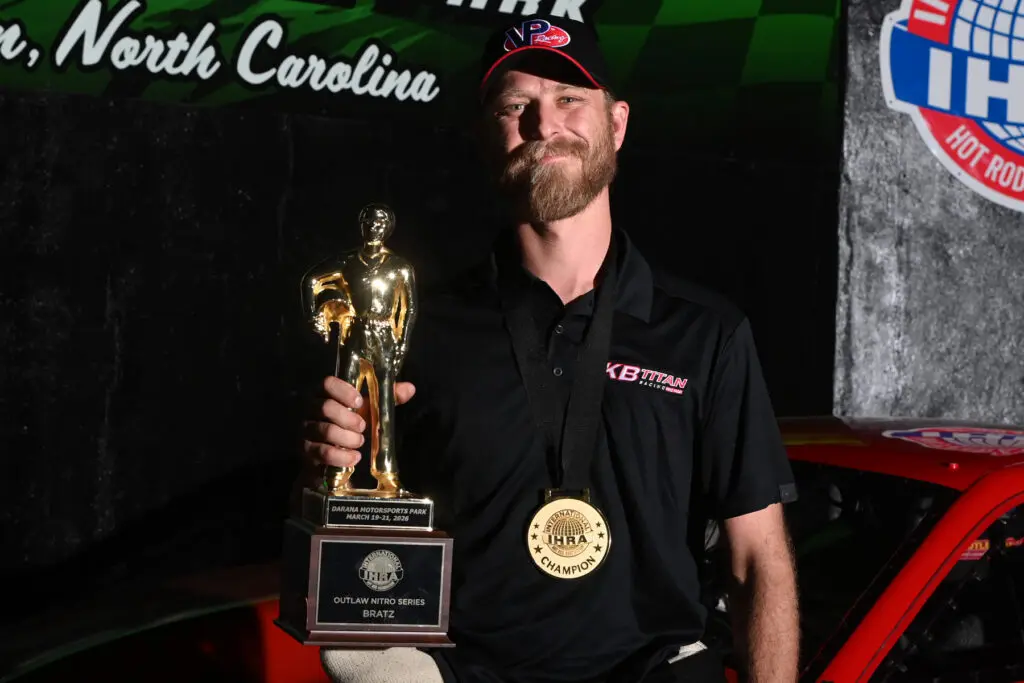
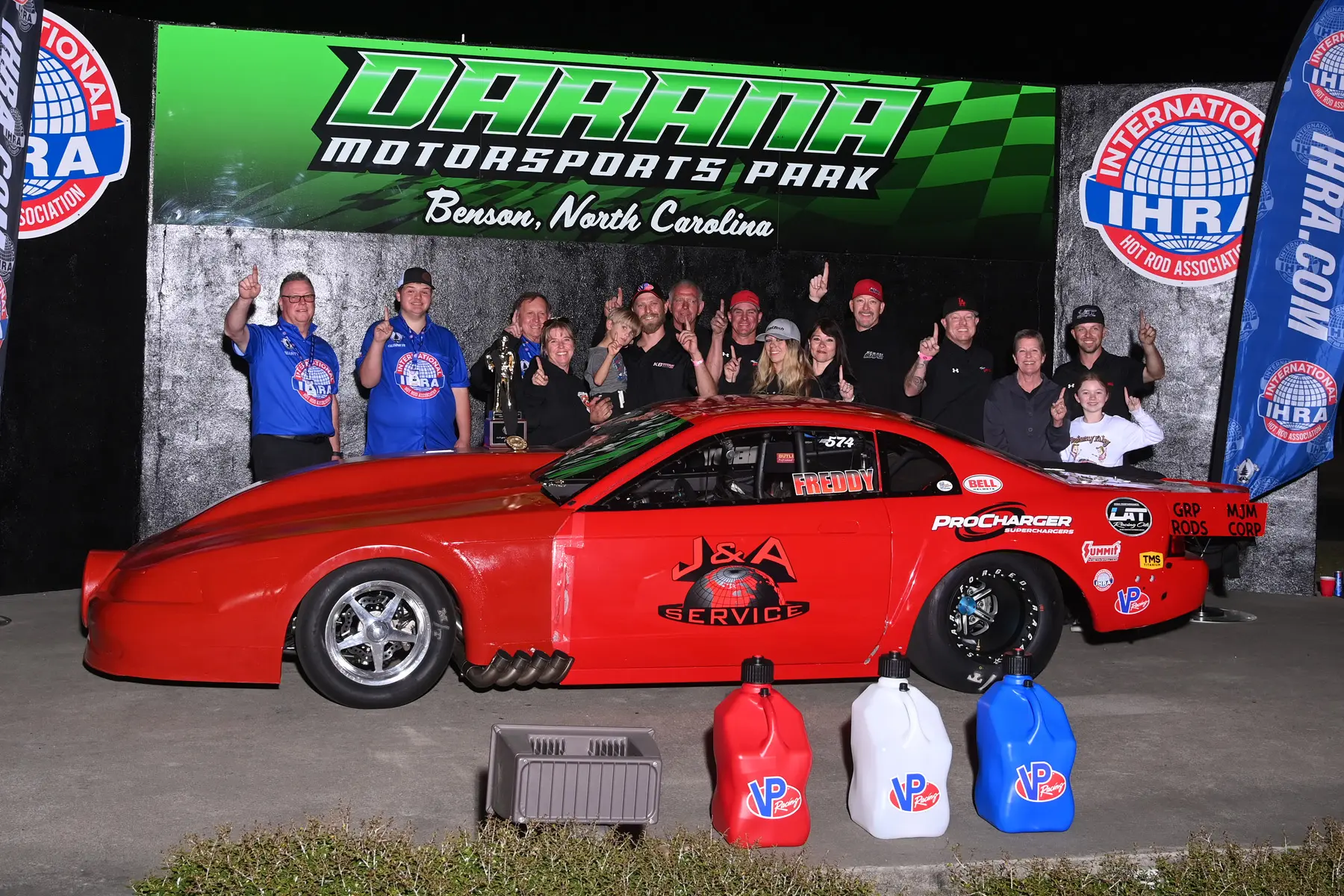
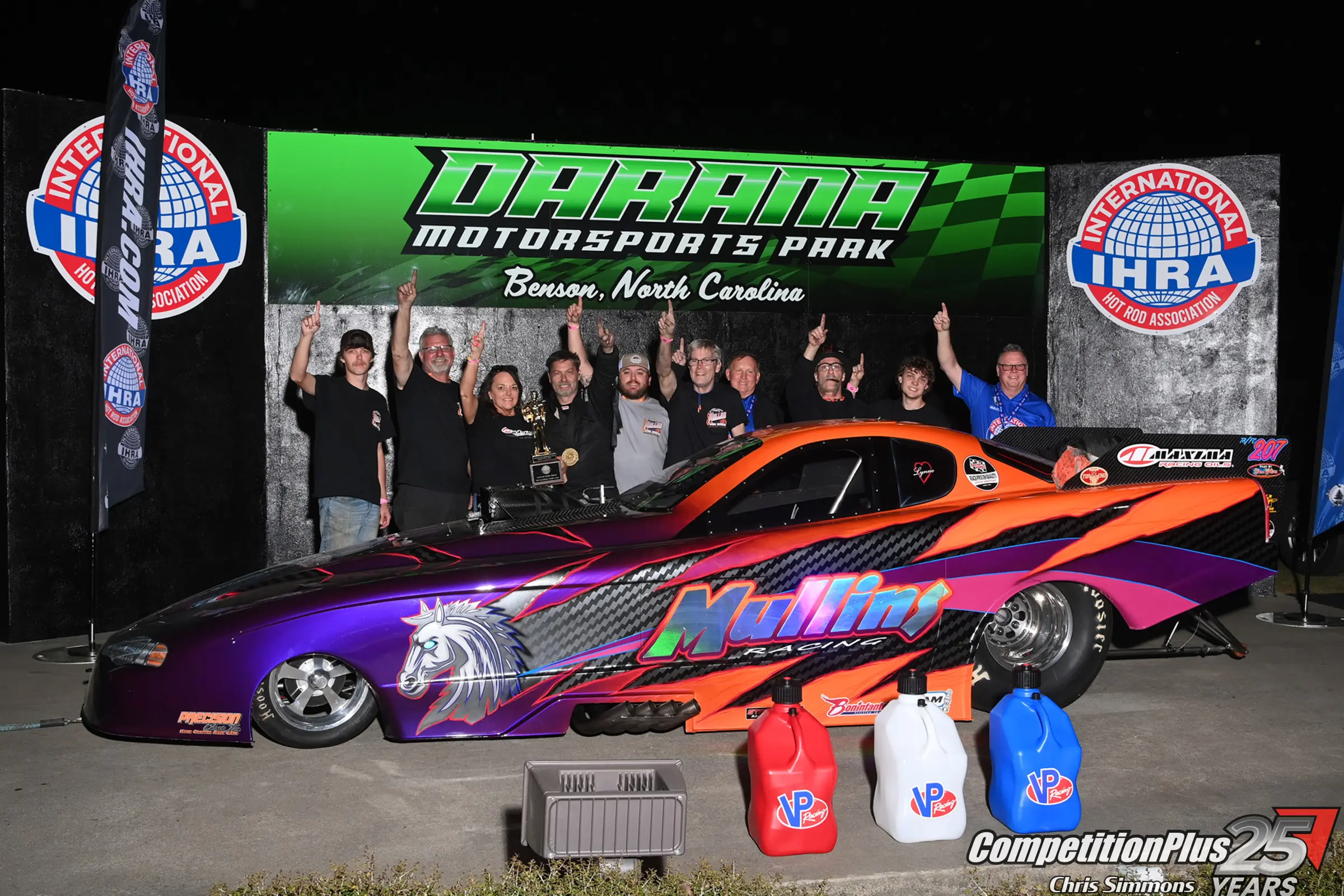
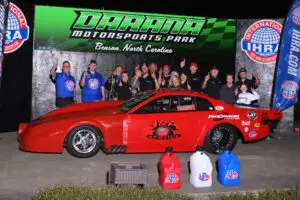
When Cory Reed stepped away from a full-time NHRA Pro Stock ride, he knew the move would be questioned across the drag racing landscape. Saturday night in Dunn, N.C., the former national event winner delivered the result he believed would justify his decision.
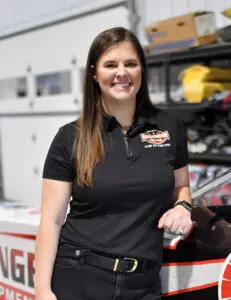
Reed’s small-tire victory at the IHRA Nitro Outlaw season opener at Durana Motorsports Park in Dunn represented more than a win light. It marked a turning point in a career recalibrated around driving challenge rather than category prestige.
“Validation’s definitely the hard work that went into getting this car to work right,” Reed said.
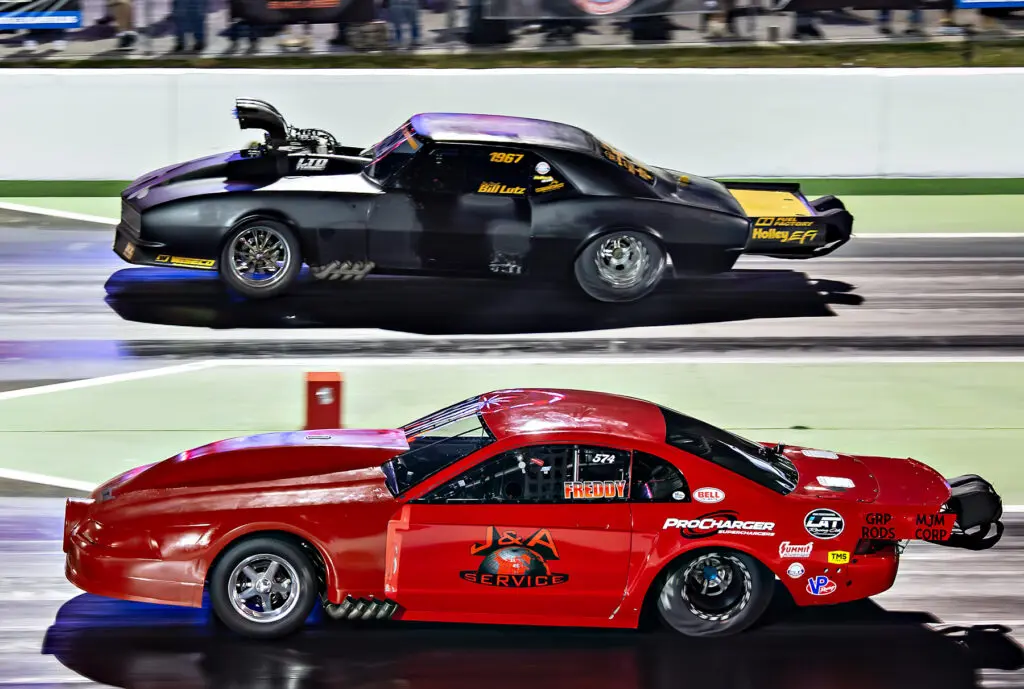
The triumph came against one of the most respected benchmarks in the class. Reed acknowledged the significance of defeating Bill Lutz, widely considered among the quickest 28×10.5 competitors.
“And we just beat, as we know, Bill Lutz is the quickest 28×10.5 car seen by ticket wise,” Reed said. “So even if it was spray or not spray M5, no M5, whatever, it was good to beat him.”
Small-tire grudge racing is built on secrecy. Reed has instead adopted an unconventional philosophy of transparency, openly discussing performance potential while maintaining confidence in his program’s ceiling.
“I think we have the second-fastest one,” Reed said. “I think we have the fastest one with no extra power.”
The willingness to reveal performance metrics runs counter to the culture of the class. Reed dismissed concerns that openness would diminish his competitive edge.
“I ain’t scared,” Reed said. “If anybody wants to race, come on.”
The shift from Pro Stock to outlaw small-tire racing has required a fundamental adjustment in driving approach. Reed described the car as more physically demanding and less predictable than anything he previously piloted.
“Oh, man, this thing’s a handful to drive,” Reed said. “It really is.”
Reed’s assessment reflects the raw nature of the IHRA’s Bratz category. Unlike factory-based Pro Stock competition, small-tire racing emphasizes instinctive control and rapid reaction to fluctuating track conditions.
“This thing is definitely more on the wheel,” Reed said. “It skirts around. It’s fast.”
Technical simplicity remains a cornerstone of his setup philosophy. Reed rejected suggestions to add automated shifting components, arguing that outlaw racing rewards mechanical reliability over convenience.
“It’s an outlaw car, dude,” Reed said. “You don’t add extra crap to it.”
That outlook aligns with Reed’s broader passion for diverse racing experiences. He views exposure to multiple vehicle types as essential to long-term driver development.
“I like driving any car,” Reed said. “I’ll drive an 11-second car. I don’t give a crap.”
Reed credits team owner Manny Buginga for enabling his transition into varied competition platforms. The relationship has expanded his understanding of vehicle dynamics beyond the regimented structure of NHRA Pro Stock.
“He’s a great teacher, he’s a great mentor and he’s a great friend of mine,” Reed said. “And I very much appreciative him.”
Reed believes his move represents a personal evolution rather than a broader trend. He emphasized that driver preference ultimately shapes career direction.
“Everybody likes driving what they like driving,” Reed said. “I like driving all kinds of stuff.”
The Dunn victory reinforced his conviction that competitive fulfillment can be found outside traditional career paths. Reed continues to prioritize driving engagement over category recognition.
“This thing requires a routine as well,” Reed said. “But this thing is harder to drive.”
For Reed, the transition represents both validation and motivation. Success in small-tire racing has confirmed his belief that passion, adaptability and competitive drive remain the sport’s most valuable assets.
“I ain’t scared,” Reed said.


BOBBY BENNETT: SOCIAL MEDIA SAVED DRAG RACING — AND NOW IT’S SLOWLY STRANGLING IT