Pro Stock Motorcycle is one of the four professional classes in the NHRA Mission Foods Drag Racing Series — the only one contested on two wheels. It is a naturally aspirated, heads-up drag racing category where purpose-built motorcycles cover the quarter-mile in approximately 6.70–6.90 seconds at speeds approaching 200 mph, powered by either an inline-four Suzuki-based engine or an American V-Twin (Buell or EBR), on 118-octane racing gasoline. The class has been an NHRA professional division since 1987. Dave Schultz, Andrew Hines, and Matt Smith hold the championship record with six titles each; Gaige Herrera’s 28 wins across 2023–2025 are the most by any rider over any comparable three-season stretch in class history. Richard Gadson is the reigning 2025 champion.
If you’ve watched NHRA drag racing and found yourself wondering why there are motorcycles at a car race — this is your guide. Pro Stock Motorcycle is not a sideshow. It is a fully sanctioned professional class with a 38-year championship history, iconic rivalries, records that have stood for decades and then been shattered overnight, and a current era that has captured mainstream motorsports attention in a way the class has rarely seen.
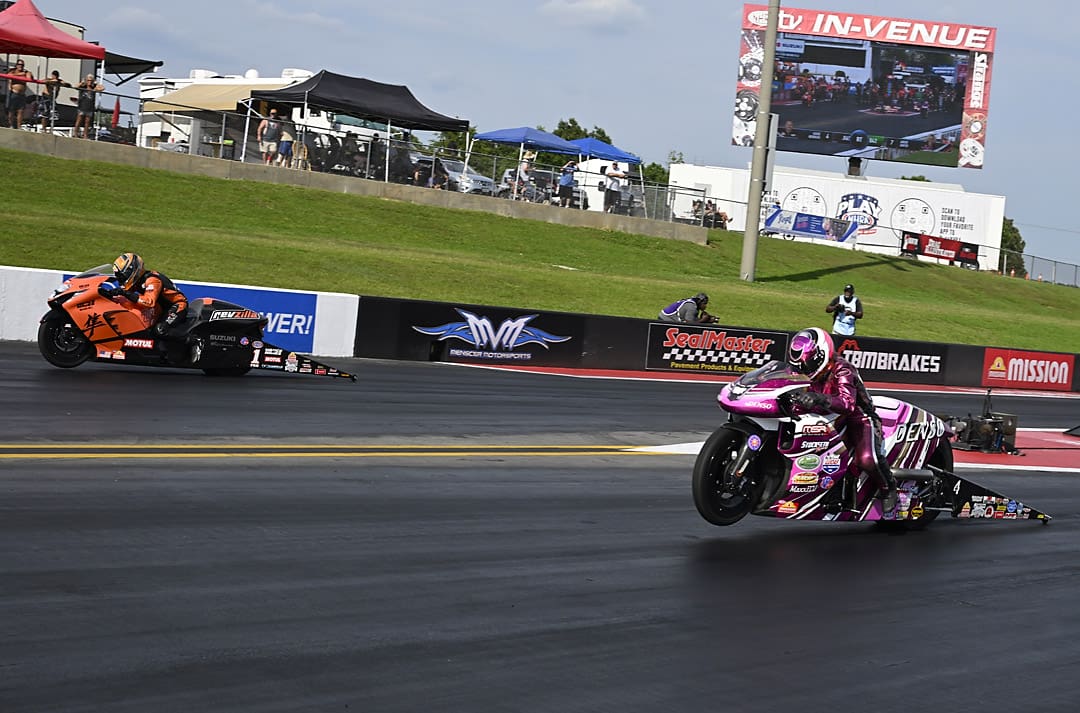
The bikes run in eliminations on Sunday alongside Top Fuel and Funny Car. The riders lie completely flat — prone on the motorcycle — while covering the quarter-mile in under seven seconds at around 200 mph. The launch alone generates approximately 2.5 Gs of acceleration, reaching 100 mph in just over two seconds. And in 2023 and 2024, a rider named Gaige Herrera rewrote the record books in a way no one had seen in the class in 30 years.
CompetitionPlus.com has covered Pro Stock Motorcycle since the beginning. This is the definitive guide to the class — its technical specifications, its history, its greatest champions, and where it stands heading into 2026.
What Is Pro Stock Motorcycle? The Class Explained
Pro Stock Motorcycle, sometimes abbreviated PSM and formerly known as Pro Stock Bike, is the two-wheeled equivalent of the Pro Stock car class. Like its four-wheeled counterpart, it is an “all motor” category — no superchargers, no turbochargers, no nitrous oxide, no exotic fuels. The motorcycles must maintain a visual relationship to a production street bike, though frames are purpose-built specifically for drag racing and share nothing with their road-going counterparts.
The class operates on a side-by-side, single-elimination format. Two riders stage at the starting line, the Christmas Tree counts down, and the first across the finish line advances. The physical demands on the rider are unique: lying flat on the motorcycle while experiencing approximately 2.5 Gs of acceleration at launch, managing gear shifts at near-maximum rpm through the quarter-mile, and deploying a parachute at the finish. At 200 mph, the motorcycle is traveling the length of a football field every second.
Unlike amateur motorcycle drag racing, PSM requires NHRA professional licensing, adherence to strict technical regulations, and participation in the full national event schedule. Visually, Pro Stock Motorcycles resemble factory production models — a Suzuki Hayabusa or an EBR — which allows manufacturers to maintain marketing relevance with performance-oriented consumers.
Key Pro Stock Motorcycle specifications:
- Engine options: Inline-four Suzuki-based (~1,850–2,000cc) OR 45-degree V-Twin (Buell/EBR, ~160 ci / 2,621cc)
- Fuel: 118-octane racing gasoline (no nitromethane, no methanol, no forced induction)
- Horsepower: ~370–400 hp (V-Twin) / ~340–370 hp (inline-four)
- Valve spring pressure: Up to 1,400 pounds — a measure of the extreme engineering demands placed on naturally aspirated PSM engines
- Minimum weight (with rider): 575–625 lbs (varies by engine configuration per parity rules)
- Typical elapsed time: 6.70–6.90 seconds (quarter-mile)
- Terminal speed: 195–205 mph (record: 205.04 mph, Matt Smith, Sonoma 2021)
- Launch: ~2.5 Gs; 0–100 mph in just over 2 seconds
- Frame: Purpose-built drag racing chassis with no rear suspension (not based on any street bike)
- Rider position: Prone (lying flat on the motorcycle)
- Season cost: Approximately $700,000 per season — significantly less than Top Fuel (~$5–10M+) but requiring substantial technical investment
How Pro Stock Motorcycles Differ From Street Bikes
A street-legal Suzuki Hayabusa may be extraordinarily fast for a production motorcycle, but a PSM bike shares virtually nothing with its supposed production counterpart beyond the basic silhouette. Street bikes incorporate comfort features, emissions equipment, passenger accommodations, lighting systems, compliant suspension, and road-legal tires — all stripped away entirely for PSM competition.
Competitive PSM machines use single-purpose aerodynamic carbon-fiber fairings, race-only engines with extensive porting, custom camshafts, aggressive clutch designs engineered specifically for maximum-acceleration launches, and no rear suspension whatsoever — the frame is rigid, designed solely for straight-line stability. Engine internals are so heavily modified that the only thing connecting a PSM bike to its production inspiration is the body shape NHRA requires it to maintain.
NHRA conducts tight technical inspections and tracks serial numbers to ensure compliance with class regulations. Authenticity debates are common among fans who see bikes with factory branding that appear “stock” externally but contain zero production components internally — which is precisely what makes the engineering achievement all the more remarkable.
The Machines: Two Engine Philosophies, One Class
What makes Pro Stock Motorcycle technically fascinating is the presence of two fundamentally different engine configurations that must be made competitive against each other through rules parity rather than identical specifications. This is unique in NHRA professional competition and creates ongoing engineering and regulatory complexity.
The Suzuki Inline-Four
The dominant Suzuki combination is an inline four-cylinder engine derived from the GS-series platform, displacing approximately 1,850cc with a high-compression naturally aspirated configuration running 118-octane fuel. In the hands of Vance & Hines, this engine has evolved through multiple generations — most recently into the four-valve Gen3 Hayabusa configuration that debuted in 2023 and has been the performance benchmark ever since. The engine screams to high rpm, launches hard off the line, and produces a distinctive wailing sound unlike anything else on the NHRA starting grid.
The American V-Twin (Buell/EBR)
The V-Twin configuration — a 45-degree pushrod engine derived from the Harley-Davidson lineage, now primarily built on Buell or EBR platforms — entered the class in 2002–03 and fundamentally changed the competitive landscape. Displacing approximately 160 cubic inches (2,621cc), the V-Twin breathes deeper at high rpm due to its larger displacement, producing around 370–400 horsepower with valve spring pressures that can reach 1,400 pounds. The V-Twin delivers a distinctly American rumble and has given the class crucial manufacturer diversity.
The Parity Challenge
Governing two fundamentally different engine configurations within the same class is one of NHRA’s most nuanced technical challenges. The V-Rod’s Harley-Davidson-era dominance from 2004–2012 prompted NHRA to implement significant rule adjustments in 2013 — adjusting minimum weights and allowed modifications to restore competitive balance. More recently, a mid-season weight adjustment during the 2024 campaign triggered significant controversy. NHRA’s own full-season analysis showed the Suzuki and V-Twin separated by just .015 seconds on average across all elimination runs — remarkable parity between two machines with such different engineering philosophies.
Pro Stock Motorcycle vs. Other NHRA Classes
The table below contextualizes Pro Stock Motorcycle within the full NHRA professional landscape.
| Specification | Pro Stock Motorcycle | Pro Stock (Car) | Top Fuel Dragster | Top Fuel Motorcycle* |
| Quarter-Mile ET | 6.70–6.90 sec | 6.4–6.5 sec | 3.7–3.8 sec (1,000 ft) | ~6.0 sec |
| Terminal Speed | 195–205 mph | 210–215 mph | 330–340+ mph | ~230 mph |
| 0–100 mph | ~2 seconds | ~1.5 seconds | <1 second | ~1.5 seconds |
| Launch G-force | ~2.5 Gs | ~2.5 Gs | ~4–5 Gs | ~3+ Gs |
| Engine | Inline-4 (Suzuki) or V-Twin (Buell/EBR) | 500 ci V8, nat. aspirated | 500 ci V8, supercharged | V-Twin, nitro-fueled |
| Fuel | 118-octane racing gasoline | Racing gasoline | 90% nitromethane | Nitromethane |
| Horsepower | ~370–400 hp (V-Twin) / ~340–370 hp (Inline-4) | 1,300–1,500 hp | 11,000+ hp | ~1,500+ hp |
| Min. weight (with rider) | 575–625 lbs (varies by config.) | 2,350 lbs | 2,330 lbs | ~500 lbs |
| Approx. season cost | ~$700,000 | ~$2–4M+ | ~$5–10M+ | ~$1–2M+ |
| Rider position | Prone (lying flat) | Seated (cockpit) | Seated (cockpit) | Prone |
* Top Fuel Motorcycle is a separate class, not part of the NHRA Mission Foods Drag Racing Series.
The prone rider position is what most visually distinguishes Pro Stock Motorcycle from every other class in professional motorsport. While car drivers sit in a protective cockpit, PSM riders lie flat with their body forming part of the aerodynamic package — a position that demands extraordinary physical and mental control while accelerating from zero to 200 mph in under seven seconds.
The Origins of Pro Stock Motorcycle: 1980–1987
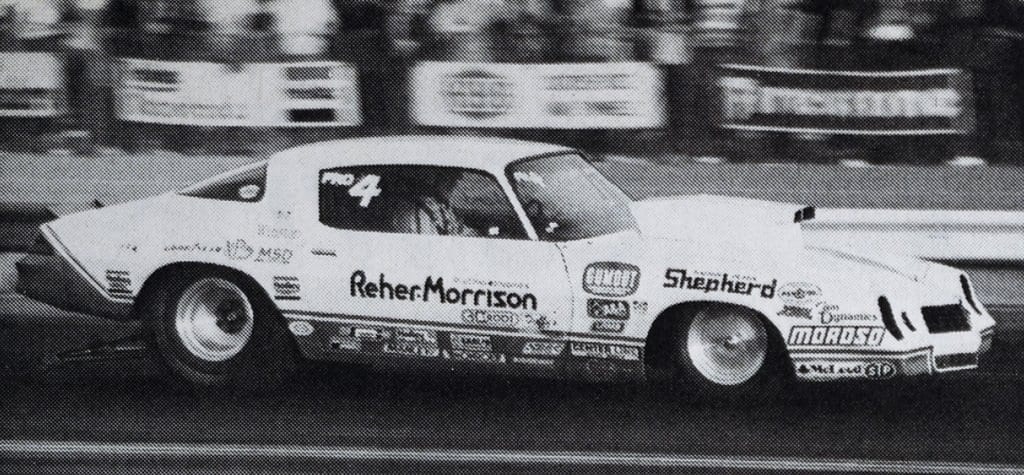
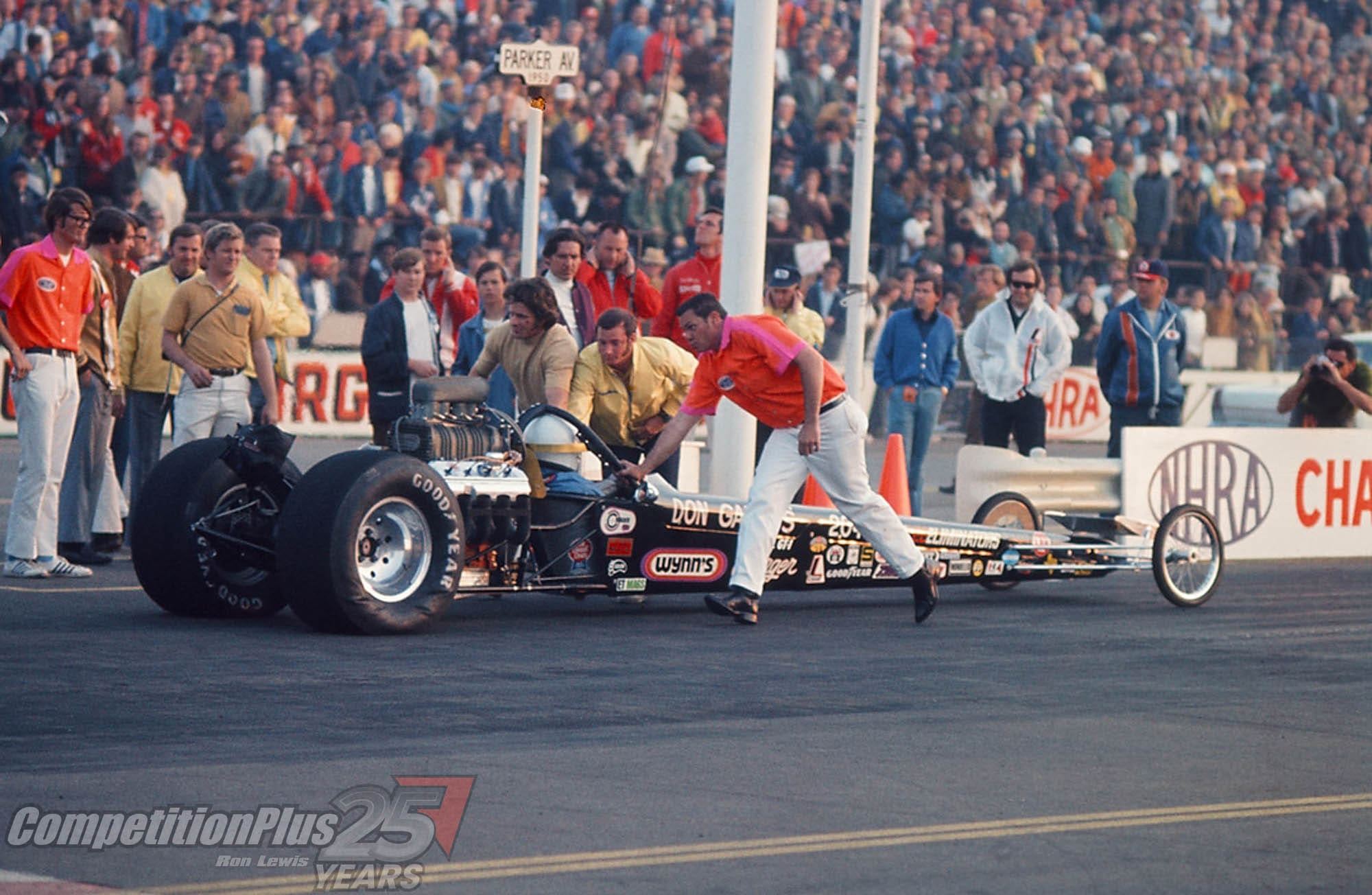
The roots of Pro Stock Motorcycle in NHRA competition trace to 1980, when motorcycle drag racing was introduced at the Gatornationals. The class ran sporadically through 1986 — just 22 events over six seasons — before NHRA formally recognized it as a professional class in 1987 with a full points championship. Terry Vance, co-founder of what would become drag racing’s most dominant team, was one of the earliest champions. As CompetitionPlus.com’s retrospective Pro Stock Bike Turns 25 This Season documents, when the class began, national records stood in the 7.99-second range. Today’s best bikes run in the 6.6s — an improvement of nearly one and a half seconds over four decades.
Vance & Hines was formed in 1980 by Terry Vance and Byron Hines — two motorcycle racers who had been winning together since meeting at Lions Dragstrip in the early 1970s. Their partnership’s popularity was, by NHRA’s own account, a major reason motorcycle racing was added to the national championship series. They won 14 national titles between them across Pro Stock and Top Fuel Motorcycle classes, and their aftermarket company became one of the world’s largest motorcycle parts suppliers.
The first points-season champion was Dave Schultz in 1987, and his sustained dominance — and the rivalry that emerged with John Myers — established the competitive identity of the class in its formative years.
The Legends: Pro Stock Motorcycle’s Greatest Champions
Dave Schultz — The Founding Champion (6 Titles, 45 Wins)
Dave Schultz won six of the first ten Pro Stock Motorcycle championships (1987–88, 1990, 1992–94), establishing himself as the class’s defining figure in its formative decade. His 1994 campaign stands as one of the most dominant single seasons in class history: nine wins in eleven events, a 40–2 round record. Schultz was a superior mechanical and riding technician, and his battle with cancer through the late 1990s and early 2000s — which he waged while continuing to race and win, including his 45th career victory in 2000 — made him one of the most respected figures in all of motorsport before his death in 2001.
Angelle Sampey — The Class’s Greatest Female Champion (3 Titles, 46 Wins)
Angelle Sampey became the first female Pro Stock Motorcycle champion in 2000, then won back-to-back titles in 2001 and 2002 for George Bryce’s Star Racing team. Her 46 career national event victories made her the winningest woman in NHRA history for over two decades, and her rookie national record of 7.38 seconds in 1996 announced her arrival immediately. Sampey’s presence transformed the class’s mainstream appeal. She returned to competition in 2014 and continued winning, and later transitioned to Top Alcohol Dragster, with her 2023 TAD debut covered in detail by CompetitionPlus.com.
Andrew Hines — The Vance & Hines Standard-Bearer (6 Titles, 56 Wins)
Andrew Hines, son of V&H co-founder Byron Hines, leads all-time wins among retired riders with 56 national event victories. He won three consecutive championships from 2004–2006 on the Harley-Davidson V-Rod, including making the class’s first-ever six-second run at the 2005 Gatornationals. He added titles in 2014, 2015, and 2019. Since stepping back from full-time riding, Andrew Hines has served as crew chief for the Vance & Hines team — the engineering mind behind Gaige Herrera’s record-breaking era.
Eddie Krawiec — The Reliable Champion (4 Titles, 49 Wins)
Eddie Krawiec won four NHRA Pro Stock Motorcycle championships (2008, 2011–12, 2017). His 2008 title — won without a single event win, only the second time in NHRA history a professional champion won with zero wins — stands as one of the sport’s most remarkable consistency achievements. Now serving as crew chief for Richard Gadson’s program, Krawiec’s engineering expertise has taken on a new dimension: the 2025 championship was won by the Gadson-Krawiec partnership.
Matt Smith — The Independent’s Champion (6 Titles, 42+ Wins)
Matt Smith’s six NHRA Pro Stock Motorcycle championships represent the most improbable run in the class. Racing his own independent Matt Smith Racing program against the Vance & Hines juggernaut, Smith built a winning operation from the ground up. His 205.04 mph speed record at Sonoma in 2021 remains one of the landmark performances in class history. Smith’s total of six titles ties him with Dave Schultz and Andrew Hines atop the all-time championships list. He has also won back-to-back GETTRX All-Star Callout titles (2024 and 2025), demonstrating his continued dominance in the class’s specialty format.
Gaige Herrera — The Record-Smasher (2 Titles, 28+ Wins)
The most talked-about story in Pro Stock Motorcycle in a generation. Herrera joined Vance & Hines in January 2023 after literally posting on social media asking if anyone could help fund his final two races of the 2022 season. CompetitionPlus.com documented his rise, from the moment he all but sealed his first championship with his tenth win in 2023 to record-breaking performances at Texas Motorplex.
The numbers are staggering: 11 consecutive national event wins spanning from the 2023 Sonoma race through the 2024 Charlotte Four-Wide — an NHRA all-time record, breaking Dave Schultz’s 30-year mark. 46 consecutive elimination round wins. A round win-loss record of 50-5 across the 2023 and 2024 seasons combined. Twenty career victories reached in just 34 career races — faster than any rider in NHRA Pro Stock Motorcycle history. A national elapsed time record of 6.627 seconds at the 2023 Texas Motorplex Fall Nationals.
In total, Herrera accumulated 28 wins and 31 No. 1 qualifiers across 2023–2025 — a three-season stretch unmatched in class history. His emergence coincides directly with the Gen3 Hayabusa platform developed by Andrew Hines and the V&H engineering team, a combination of dominant machine and exceptional rider that has redefined modern Pro Stock Motorcycle performance.
Richard Gadson — The 2025 Champion
Richard Gadson’s 2025 title is one of the most compelling championship stories in recent NHRA history, and not without controversy. After a difficult 2024 rookie season filled with near-misses, Gadson — working under crew chief Eddie Krawiec — found his groove midseason in 2025 with his first career victory in Bristol and went on to win four times, including two crucial Countdown events. He took the points lead at the Charlotte Four-Wide in September and held on by 21 points over teammate Herrera when rain canceled the Pomona season finale.
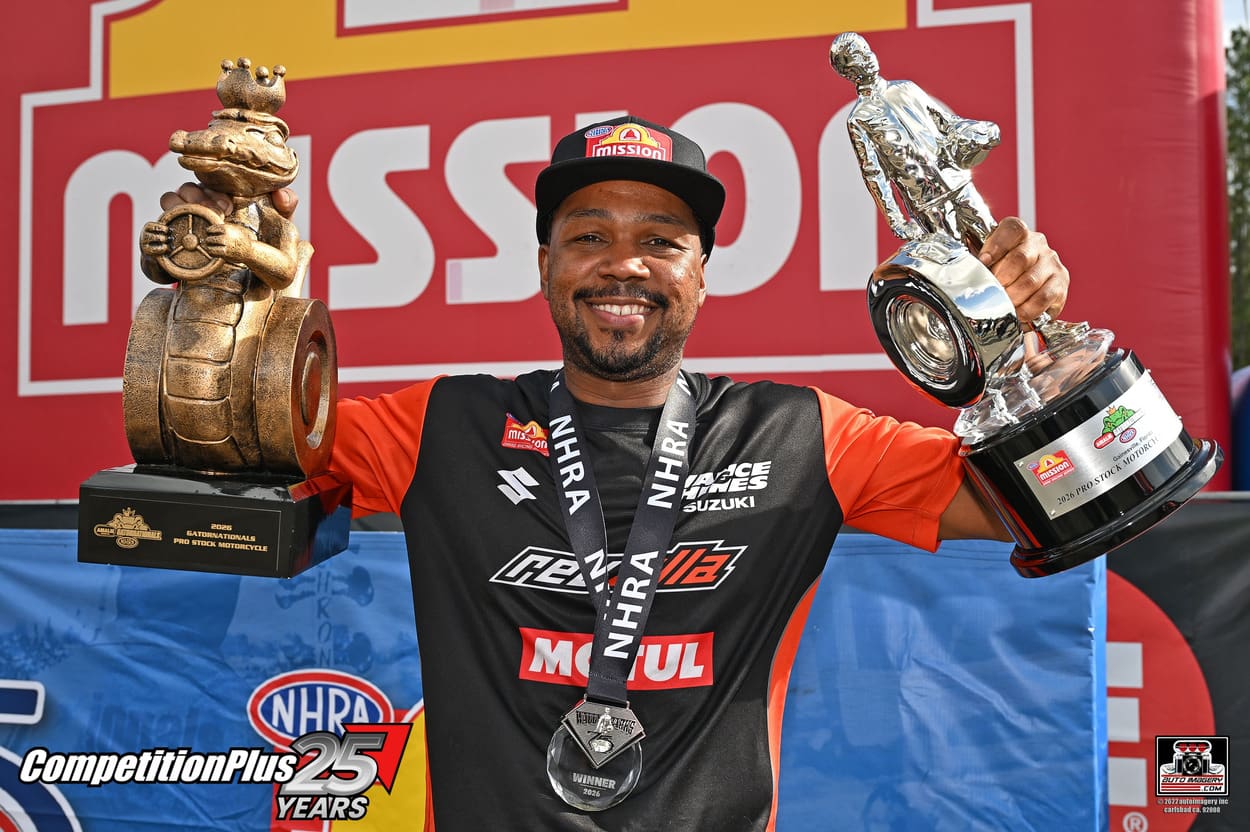
Gadson acknowledged the backlash he faced over the rain-canceled finale — intense criticism that he described as emotionally challenging, questioning the legitimacy of a title never decided on the track. He responded to that pressure with characteristic directness: he was hungry to prove himself on the strip in 2026, and the chip on his shoulder was exactly the motivation he needed. Gadson is the 13th different rider to win an NHRA Pro Stock Motorcycle title, and only the second to come primarily from outside the traditional NHRA pipeline — his roots in grudge racing and regional series competition making his path to a world championship all the more unlikely.
Pro Stock Motorcycle Champions by Era
The table below captures the full championship history across 38 years of professional competition.
| Era | Champion(s) | Defining Storyline |
| 1987–1989 | Dave Schultz (3) | Class launches as a full points championship. Schultz wins three of the first three titles; class defined by Suzuki-powered machines and Schultz vs. Myers rivalry begins. |
| 1990–1996 | John Myers (3), Schultz (3) | Schultz wins six of the decade’s first ten titles. Myers amasses 33 wins. Angelle Sampey makes her debut in 1996, sets rookie national record (7.38 sec). Myers dies in 1998 highway accident. |
| 1997–2002 | Matt Hines (3), Sampey (3) | Matt Hines wins 10 of 14 events in 1998. Sampey becomes first female PSM champion (2000), wins three straight. Schultz passes from cancer in 2001. V-Twin Buell/Harley era begins 2002–03. |
| 2003–2012 | Andrew Hines (4), Krawiec (2), Scali (1) | V&H Harley-Davidson dominance era. Hines makes first-ever 6-second run (2005 Gatornationals). Krawiec wins 2008 title with zero event wins — only second time in NHRA history. NHRA adjusts V-Rod rules in 2013 to restore parity. |
| 2013–2022 | Matt Smith (6), Hines (2), Krawiec (2), Savoie (1) | Matt Smith era on independent V-Twin program. Six championships despite competing without factory backing. Smith sets 205.04 mph speed record (2021). Four-valve Suzuki engine introduced 2021 reshapes the class. |
| 2023–2025 | Gaige Herrera (2), Richard Gadson (1) | Herrera’s record era: 11 consecutive wins, 46 consecutive elimination round wins, 28 wins and 31 No. 1 qualifiers in three seasons. Gadson wins 2025 title by 21 points in all-V&H Countdown. Rain cancels Pomona finale. |
The Vance & Hines Dynasty
No conversation about Pro Stock Motorcycle can proceed without discussing Vance & Hines. The Brownsburg, Indiana-based team has won more championships and more races than any other organization in the class’s history by a large margin. Between Terry Vance’s founding-era titles, Matt Hines’ three championships (1997–99), Andrew Hines’ six (2004–2019), Eddie Krawiec’s four, Gaige Herrera’s two (2023–24), and Richard Gadson’s 2025 title, the team has claimed the championship in every era of the class’s modern history.
The team’s competitive foundation is the Suzuki Hayabusa-bodied drag bike, developed through successive generations. The Gen3 Hayabusa platform that debuted in 2023 — with a body derived from 3D scans of the production Hayabusa and paired with a new four-valve engine combination — represents the current state of the art. Andrew Hines and Eddie Krawiec, now both serving as crew chiefs rather than riders, bring championship-winning knowledge to the two-bike program in an arrangement that is unprecedented in the class.
After a 17-year partnership with Harley-Davidson (2004–2020) that produced ten championships and over 100 wins on V-Twin machinery, Vance & Hines returned to Suzuki in 2023 and immediately reclaimed the top of the standings. With two current champions — Gadson and Herrera — tuned by two former champions — Krawiec and Hines — the team’s 2026 lineup may be the most decorated in the class’s history.
How Pro Stock Motorcycle Racing Works
Pro Stock Motorcycle operates within the same NHRA format as the car classes. Qualifying sessions across the race weekend determine seeding, with typically sixteen riders making the Sunday eliminations field. The difference between a No. 1 qualifier and the No. 8 seed is often measured in hundredths of a second — the field is that tight.
Sunday eliminations follow a single-elimination bracket across four rounds: opening round of 16, quarterfinals, semifinals, and the final. Reaction time — the gap between the last amber on the Christmas Tree and the rider’s front wheel breaking the start beam — is frequently decisive. A “holeshot” victory, where a rider wins despite a slower elapsed time because of a quicker reaction time, is a regular occurrence in PSM and has decided championships. In a class where machines are separated by hundredths, the rider’s reaction is often the margin.
The season championship follows the Countdown to the Championship format. The top ten riders entering the six-race playoff — which begins at the U.S. Nationals in Indianapolis — have their points reset to a compressed range, making every round of every Countdown event consequential.
Pro Stock Motorcycle competes at 14 of the NHRA’s 20 national events, plus the GETTRX All-Star Callout — a specialty mid-season event where eight of the class’s elite riders square off in an invitation-only format with a significant purse (nearly $140,000 across PSM and Pro Stock combined in 2024). The Callout’s drama comes from the selection format: the top qualifier chooses their first-round opponent, and after each round the quickest winner picks their next opponent, injecting strategy and rivalry into what would otherwise be a conventional bracket.
The New Generation and the 2025–2026 Landscape
Pro Stock Motorcycle enters 2026 with a fascinating multi-layered competitive picture. Richard Gadson is the defending champion and arrives motivated to validate his title on the track after the rain-canceled finale. Gaige Herrera, runner-up with seven wins in 2025 and 31 No. 1 qualifiers over three seasons, is hunting his third championship.
Gaige Herrera
After Herrera’s historic 2023–24 run, the 2025 season showed the class was closing the gap. He still won seven times and earned the regular-season championship at the U.S. Nationals in Indianapolis, but early Countdown losses in Reading and Charlotte proved costly as Gadson seized the moment. Heading into 2026, Herrera enters as the class’s most dominant active talent and the rider most everyone expects to win the title back.
Matt Smith and Angie Smith
Matt Smith’s program opened 2026 with a statement: Angie Smith won the season-opening Gatornationals with a 6.740-second run at 199.58 mph, defeating the entire Vance & Hines program on the day. Matt Smith won back-to-back GETTRX All-Star Callout titles in 2024 and 2025, demonstrating that the V-Twin program’s championship-caliber competitiveness is very much intact.
John Hall
John Hall’s fourth career win at the 2025 Reading Nationals — a 6.802 elapsed time at approximately 199 mph — signaled the arrival of another legitimate championship contender. Hall’s consistency over the past two seasons has made him a fixture in the top half of the qualifying order and a genuine threat in eliminations.
Chase Van Sant and Jianna Evaristo
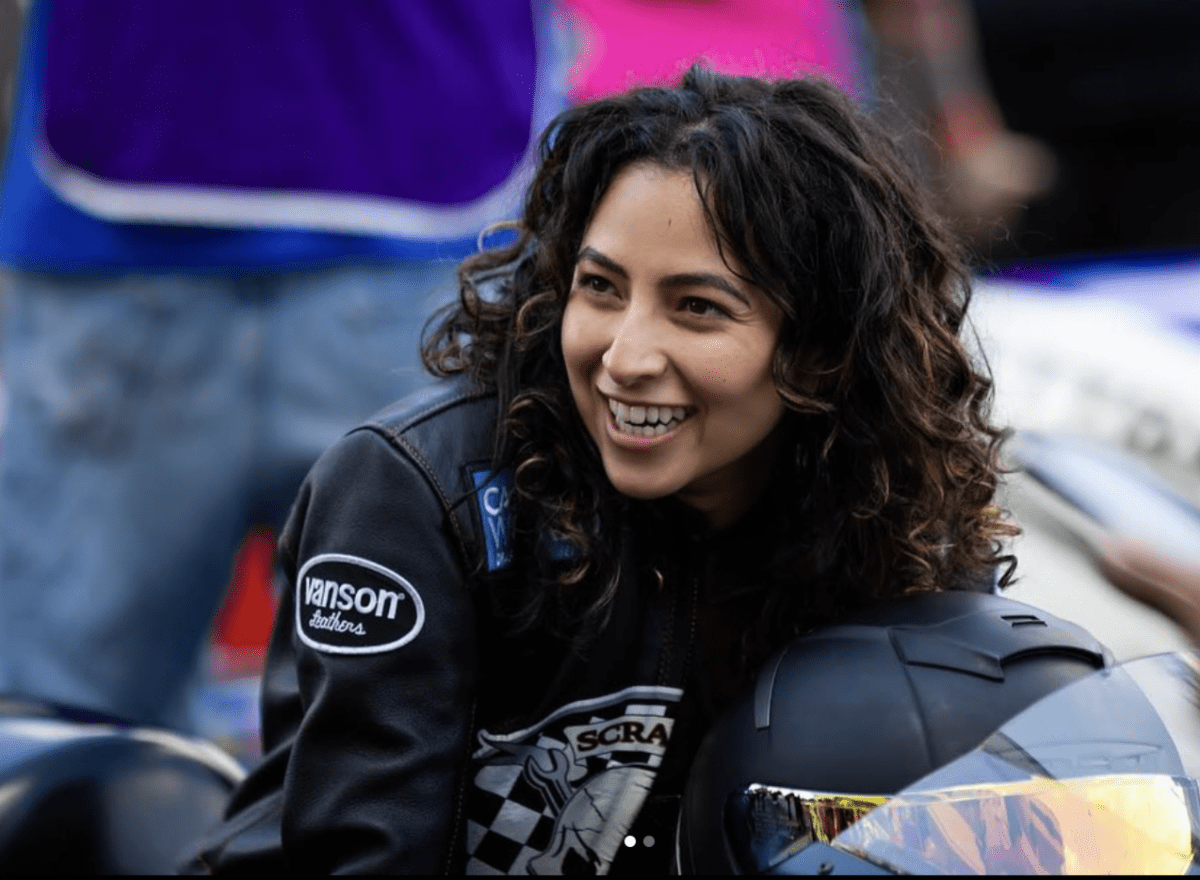
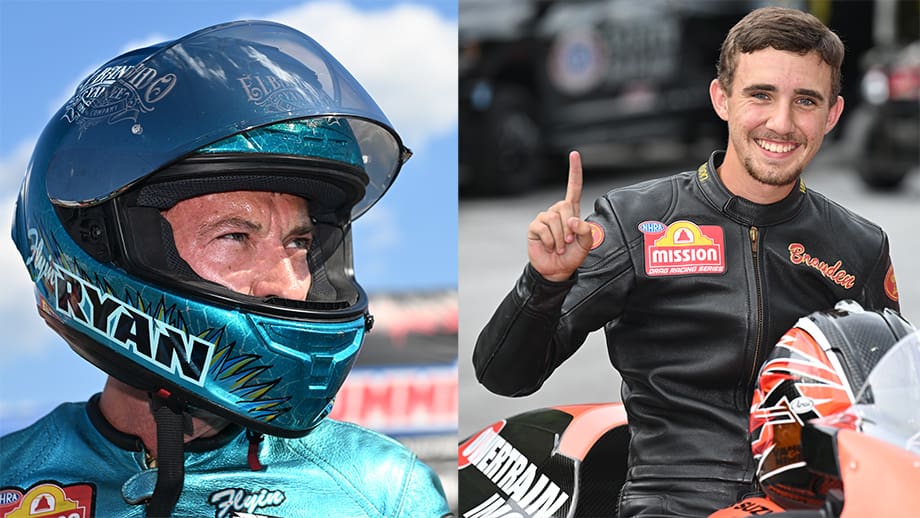
Chase Van Sant made his mark by ending Herrera’s 11-race winning streak, and his performances in both regular events and All-Star Callout competition confirm he is capable of winning at the highest level with strong team backing. Jianna Evaristo continues the class’s tradition of compelling female competitors, making deeper Callout runs and serving as visible representation for younger fans. Brayden Davis is another name to watch as the class’s talent depth continues to expand.
Key storylines for the 2026 season:
- Herrera vs. Gadson: Can Gadson defend against a Herrera motivated by runner-up status? The all-Vance & Hines championship battle is unprecedented in the class.
- Matt Smith’s 7th title: Angie Smith’s Gainesville win signals the V-Twin program has lost none of its championship ambition.
- John Hall’s breakthrough: As of the 2026 Gatornationals, the field is tightly bunched. Hall, Van Sant, and Evaristo all have the tools to make noise.
- Parity watch: NHRA will continue active management of Suzuki vs. V-Twin weight rules. The conversation that dominated 2024 isn’t going away.
Frequently Asked Questions About Pro Stock Motorcycle
Why are there motorcycles at an NHRA drag race?
Pro Stock Motorcycle is one of the four fully sanctioned professional classes in the NHRA Mission Foods Drag Racing Series. The bikes run in eliminations on Sunday alongside Top Fuel and Funny Car, earn championship points, and crown a world champion. PSM developed within NHRA’s organizational structure when the association sought to expand its professional categories — and the popularity of Terry Vance and Byron Hines was specifically cited by NHRA as a factor in adding motorcycle racing to the national championship series. The class has been part of NHRA professional competition since 1987.
How fast do Pro Stock Motorcycles go?
Competitive Pro Stock Motorcycles run elapsed times between 6.70 and 6.90 seconds over the quarter-mile, reaching terminal speeds of 195–205 mph. The speed record is 205.04 mph, set by Matt Smith at the 2021 NHRA Sonoma Nationals. The elapsed time record is 6.627 seconds, set by Gaige Herrera at the 2023 Texas Motorplex Fall Nationals.
Why do the riders lie down on the motorcycle?
The prone (lying flat) position is required by the aerodynamic design of the bike and the physical demands of the class. Riders lie chest-down on the motorcycle, reducing their frontal area to minimize drag. This position also keeps the rider’s weight low and central during the approximately 2.5 Gs of acceleration forces generated at the launch.
What is a “holeshot” and why does it matter in PSM?
A holeshot is when a rider wins a race despite running a slower elapsed time, because their reaction time at the starting line was quicker. In a class where motorcycles are regularly separated by hundredths of a second on elapsed time, the rider’s reaction — their ability to anticipate the green light and leave the line at precisely the right moment — is frequently the entire margin of victory. Holeshot wins have decided races, Countdown events, and championships in PSM.
What is the difference between Suzuki and V-Twin in Pro Stock Motorcycle?
The Suzuki runs an inline four-cylinder engine of approximately 1,850–2,000cc that is high-revving, quick off the line, and based on the Hayabusa platform. The V-Twin — used in Buell and EBR bikes — is a 45-degree pushrod engine of approximately 160 cubic inches (2,621cc), producing more torque at higher rpm due to larger displacement. NHRA actively manages minimum weight rules to maintain competitive balance between the two configurations.
Who has the most Pro Stock Motorcycle championships?
Dave Schultz, Andrew Hines, and Matt Smith are tied with six NHRA Pro Stock Motorcycle world championships each. Schultz won six of the class’s first ten titles (1987–1994). Hines won six between 2004 and 2019. Smith won six between 2007 and 2022.
What is Gaige Herrera’s winning streak record?
Gaige Herrera set the NHRA all-time record for consecutive national event victories with 11 consecutive wins spanning the 2023 Sonoma race through the 2024 Charlotte Four-Wide Nationals, breaking Dave Schultz’s 30-year-old mark. The streak also included 46 consecutive elimination round wins. Across his first three seasons with Vance & Hines (2023–2025), Herrera accumulated 28 wins and 31 No. 1 qualifiers.
Has a woman ever won a Pro Stock Motorcycle championship?
Yes. Angelle Sampey won three consecutive NHRA Pro Stock Motorcycle world championships in 2000, 2001, and 2002 — the first female champion in PSM history. Her 46 career national event victories made her the winningest woman in all of motorsport for over two decades. Sampey also set a rookie national record in 1996 of 7.38 seconds in her debut season. Karen Stoffer, Angie Smith, and Jianna Evaristo have all been regular competitors in the modern era, maintaining the class’s strong tradition of female participation at the professional level.
Two-Wheel Thunder: Why Pro Stock Motorcycle Matters
For new NHRA fans who discover Pro Stock Motorcycle at their first national event, the reaction is almost always the same: surprise at the speed, surprise at the sound, and surprise that they’d never heard of it before.
This is a class that has run sub-seven-second quarter-miles for two decades. It has produced some of the most dominant championship runs in NHRA history: Schultz’s 1994 season, Matt Hines’ 10-win 1998, Sampey’s three-championship run, and now Herrera’s record-breaking era. It has featured rivalries between factory-backed dynasties and independent operations — and the independents have won their share. It has crowned champions who came from outside the traditional NHRA pipeline, including Richard Gadson, whose path from grudge racing to world champion is one of the sport’s great underdog stories.
The class is also the most technically nuanced in NHRA’s professional lineup: governing two fundamentally different engine configurations within the same rulebook, while producing competitive parity that defies the engineering gap between them.
The bikes at a car race aren’t a curiosity. They’re a cornerstone.
Further Reading on CompetitionPlus.com
CompetitionPlus.com has covered Pro Stock Motorcycle since the earliest days of the class. The following articles provide deeper context on the topics covered in this guide:
- Pro Stock Bike Turns 25 This Season — George Bryce’s firsthand perspective on 25 years of class history, from 7.99s to the modern era
- Herrera All But Seals the Championship With Tenth 2023 Win — Herrera’s championship-clinching race, including the origin story of his social media funding post
- 2023 NHRA U.S. Nationals — Pro Stock Motorcycle Notebook — Eddie Krawiec on Herrera’s record-breaking season from a teammate’s perspective
- 2023 NHRA Fall Nationals — Event Results — the race where Herrera set the national elapsed time record of 6.627 seconds at 204.16 mph
- Krawiec Continues Vance & Hines Championship Tradition — Krawiec’s 2017 championship and the V&H dynasty in its full historical context
- 2026 NHRA Gatornationals — Event Results — Angie Smith’s season-opening victory with the full qualifying field
- 2025 NHRA Gatornationals — Event Results — Herrera’s third consecutive Gainesville victory and Vance & Hines commentary
CompetitionPlus.com has covered drag racing since 1999, including Pro Stock Motorcycle from its earliest championship seasons. For ongoing news, race coverage, and in-depth features, visit competitionplus.com.