
There are few people in drag racing who have worked every corner of the sport’s media landscape like Elon Werner. He has served as a journalist, public relations executive and digital entrepreneur, but after decades of documenting history, Werner is now preserving it through the voices of the people who lived it.
Werner’s latest project centers on one question that has produced more than 100 hours of interviews and countless emotional recollections: What was it like the first time you raced John Force? The answers have become the foundation of a book Werner plans to release in 2027 during what many in the sport are calling the “Year of Force.”
The concept didn’t begin at a drag strip. It started with a boxing book Werner read more than a decade ago, one that chronicled the careers of fighters through the eyes of the men who stood across the ring from Muhammad Ali.
“In about 2010, I read a book called Facing Ali by Stephen Blunt,” Werner explained. “It was 15 stories about boxers that had faced Muhammad Ali at every level of his career. It was super interesting from amateur all the way to heavyweight champion.”
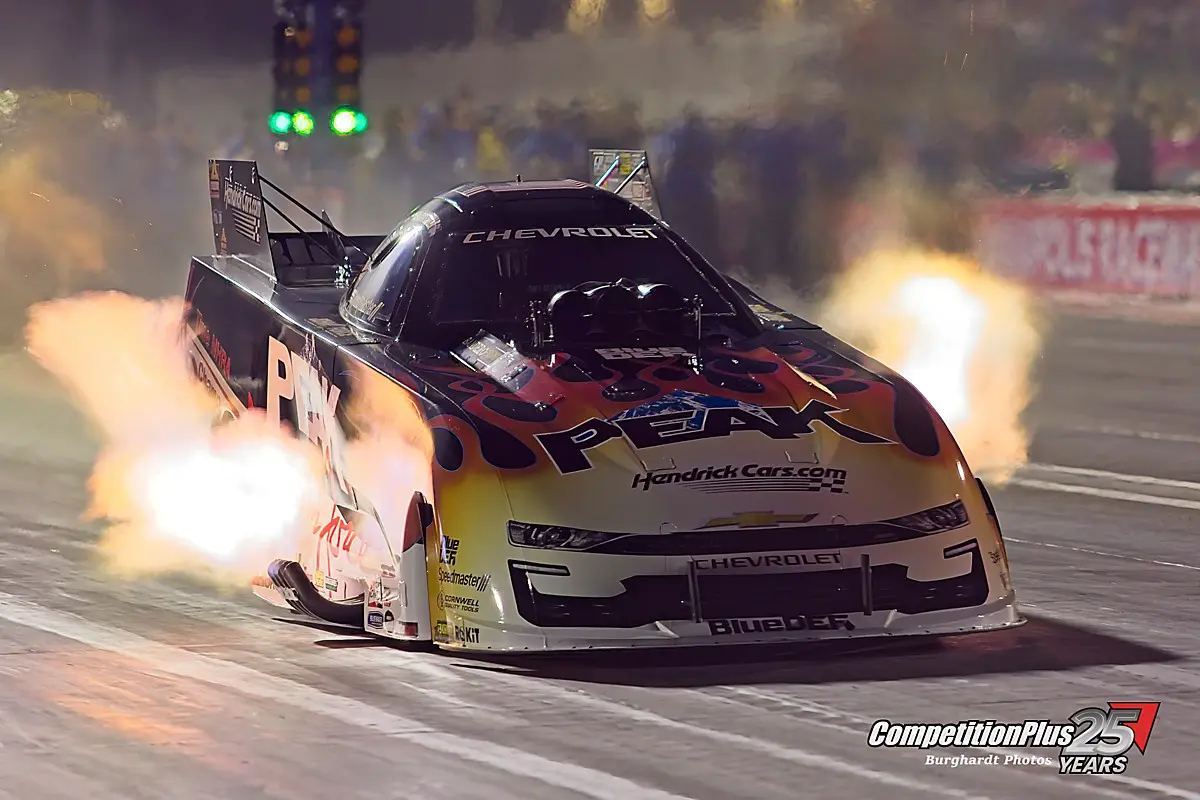
That idea lingered until an encounter at New England Dragway in 2013 put a face on the idea. Werner was working for John Force Racing when Funny Car driver Dave Richards approached him with a request before eliminations.
Richards wasn’t looking for an autograph before meeting Force. He simply wanted an introduction before lining up against the 16-time Funny Car champion in his first national-event appearance.
Werner recalled introducing the two before informing Force that Richards wasn’t there for a souvenir. He was there because he was Force’s first-round opponent.
“John was like, ‘Hey, do you need me to sign something for you? You want to get a picture?'” Werner recalled. “And I’m like, ‘No, this is who you’re racing first round.’ He’s like, ‘Oh, okay.'”
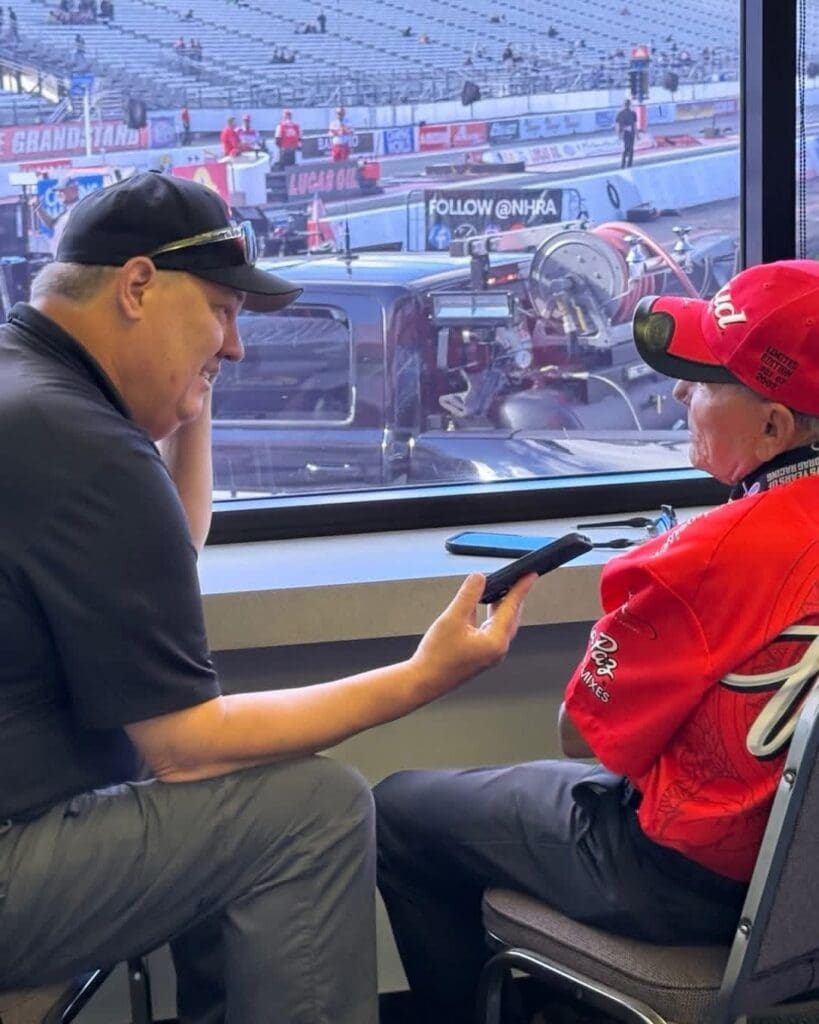
Richards lost that race, but the experience stayed with him far longer than the first-round defeat. His story became the spark that eventually grew into Werner’s book.
“He comes and finds me and is like, ‘Could you get John to sign my time slip?'” Werner said. “Then he starts telling me how they drove all the way from Florida just hoping to qualify.”
What followed wasn’t a tale about horsepower or reaction times. Richards described a team consumed by one overwhelming thought — not how to beat John Force, but how to avoid embarrassing themselves against him.
“They’re all kind of talking,” Werner recalled. “Then someone says, ‘What if we messed John Force up?’ He goes, ‘We went into full panic mode.'”
Richards described every moment of the run with remarkable clarity, from relief that the engine started to appreciation that the transmission shifted into reverse without incident. Even staging beside Force became another hurdle simply to survive.
“He goes, ‘Thank God my car started,'” Werner said. “‘Thank God my car went into reverse.’ Every step he was just appreciative that he wasn’t screwing Force up.”
The race itself became secondary. Richards admitted he spent so much time watching Force’s Funny Car that he drifted out of the groove.
“‘I’m thinking, I can’t believe I’m racing John Force,'” Werner recalled Richards saying. “‘I’m looking out my window at Force’s car… Wherever you’re looking, that’s pretty much where you’re driving.'”
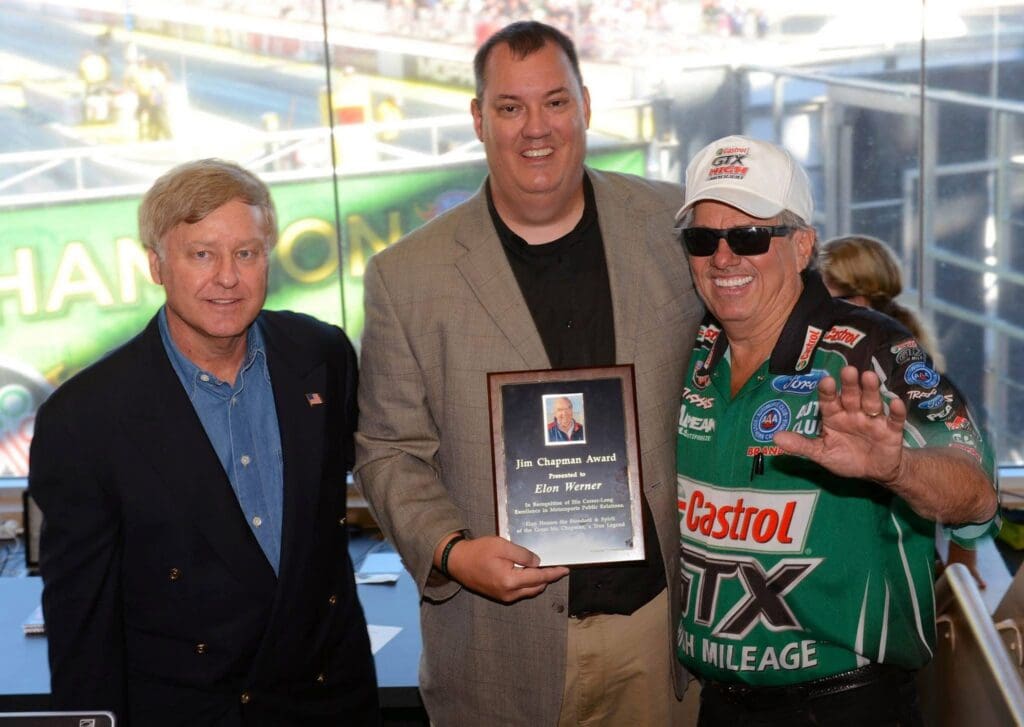
Years later, Werner rediscovered the Facing Ali book and immediately connected it with the Richards story. The similarities convinced him there was a much larger story waiting to be told.
“Probably three or four years ago, I saw that Facing Ali book,” Werner said. “I thought of that Dave Richards story and I thought Dave’s experience racing John Force in 2013 is at the complete opposite spectrum of Billy Meyer, Prudhomme, Al Segrini. Then there’s this middle area of Cruz and Capps who got peak Force.”
That realization launched a project Werner formally began in March. Since then, he has interviewed more than 50 drivers and prominent figures whose careers intersected with Force across five decades.
The list stretches from Kenny Bernstein, Frank Hawley, Austin Coil and Jim Dunn to Whit Bazemore, Dean Skuza, Doug Kalitta and Bob Vandergriff Jr. Werner also sought perspectives from Ashley, Brittany and Courtney Force, along with Lauri Force and longtime Orange County starter Larry Sutton.
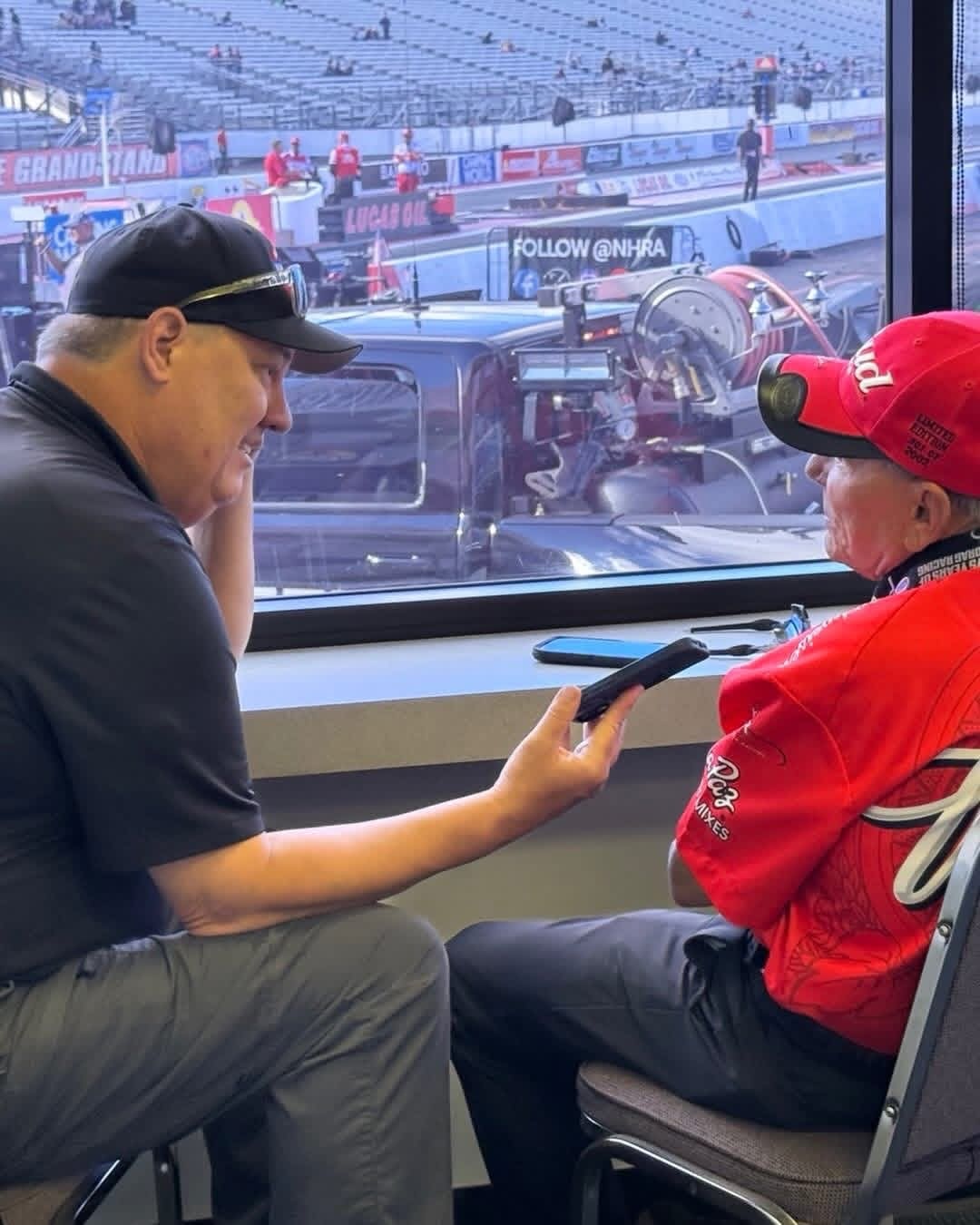
“I’ve talked to over 50 drivers about the first time they raced Force,” Werner said. “I’ve been working on this project since March of this year. Have all my interviews done. I’m now transcribing them and editing them.”
The interviews reveal how Force’s impact evolved with each generation. Veterans who raced the young California drag racing dreamer remember a different competitor than those who faced him during his championship dynasty, yet the emotional thread remains remarkably consistent.
Some interviews reopened competitive wounds. Others uncovered stories Werner had never heard despite spending decades around the sport.
“Vandergriff, still pissed about it,” Werner joked while discussing Bob Vandergriff Jr.’s recollection of racing Force in the No Bull Showdown.

Werner said Whit Bazemore vividly reconstructed every detail of his first meeting with Force in Brainerd, Minn., and became increasingly emotional as the memories returned. Mike Dunn reflected on Force’s relentless passion, while Jim Dunn described already looking ahead to the second round whenever Force appeared on the ladder.
“The stories that I got from guys like Scelzi and Mike Dunn and Bernstein, I’d never heard before,” Werner said. “Whit Bazemore… broke down the whole day for me. As he was talking, he was getting madder and madder. It was a visceral experience.”
The interviews extend beyond rivals. Werner said Brittany Force shared a personal account of racing her father in an exhibition event, while Laurie Force reflected on seeing John race for the first time and the unforgettable early days of their relationship.
For Werner, those stories transformed the project from a collection of race recaps into something far more personal. He believes the book ultimately belongs to the drivers, not its central figure.
Werner plans to supplement the book with podcast episodes using original interview audio, much of which captures drivers becoming emotional while reliving defining moments of their careers.
“They all come back to respect for John, love for John, appreciate everything he did,” Werner said. “People got emotional thinking about racing John.”
The project remains in editing, and Werner is working with a publisher on a planned 2027 release. With nearly 100 hours of interviews completed and support from the Force family, he believes the finished product will preserve a chapter of drag racing history that statistics alone never could.
“But for me, The Year of Force is going to be a lot of fun,” Werner said. “This book is, my love letter to Force being able to have almost a hundred hours of interview time with these drivers. I just want people kind of excited about it.”
They should be because the one writing it who has seen it all, and heard it all is excited about it.
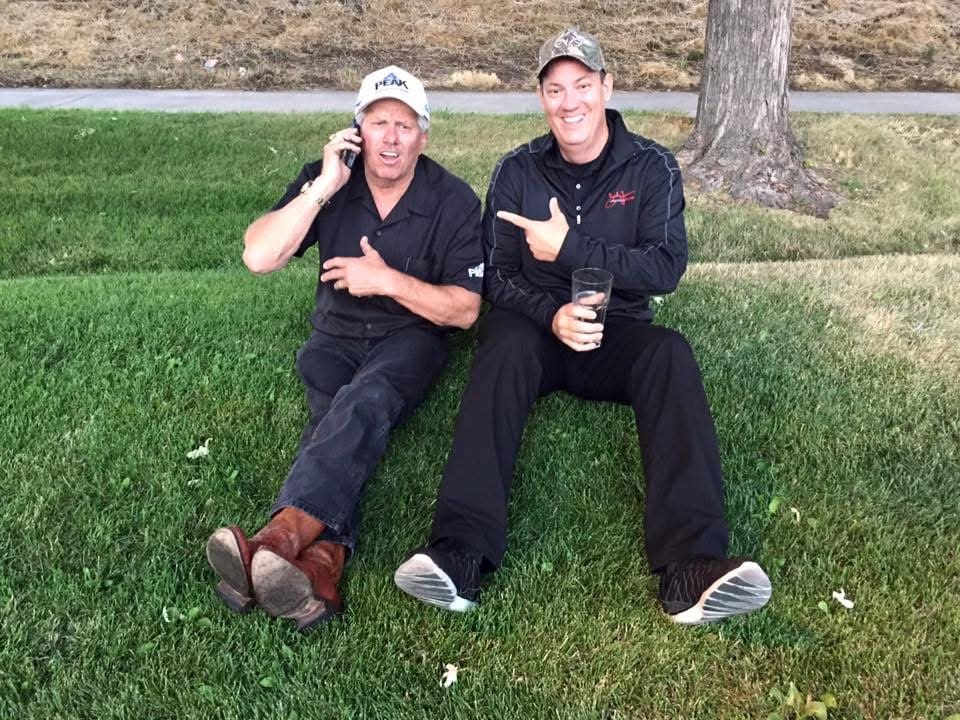
EDITOR’S NOTE – Werner will be on Life’s A Drag podcast discussing his book project today. Watch video below.