

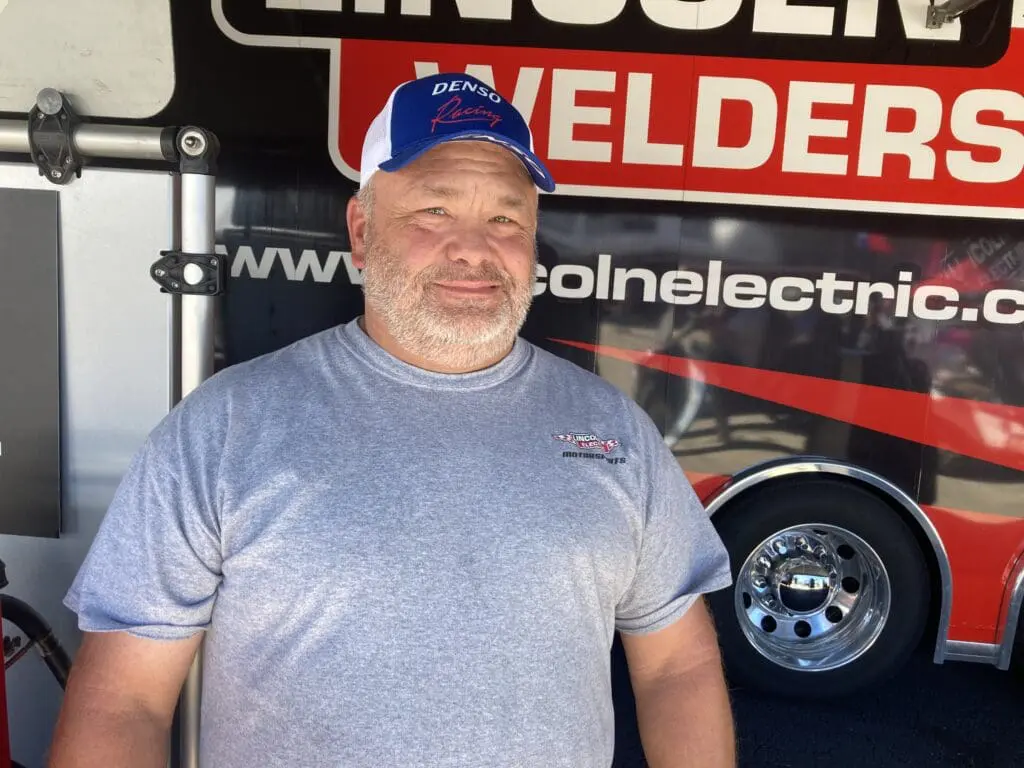
In an era when many say the NHRA Manufacturers Midway has lost its spark, Kip Rhoton is proof there’s still life in what was once drag racing’s traveling marketplace. For more than two decades, Rhoton has been one of the Midway’s most recognizable faces — part parts supplier, part problem solver, and part caretaker of a fading but vital drag racing tradition through his KJR Motorsports Trailer.


Rhoton doesn’t deny that the Midway, once the bustling hub where racers could find parts and advice between rounds, has changed dramatically. But he insists the concept is far from dead.


“Yeah, I’m one of the lone survivors,” Rhoton said. “It has seen a decline. I think things can happen to make it better, but we’re all going to have to work together to do it. In my opinion, competition breeds success out here and we need racer support. We need NHRA support. It’s got to be a team effort, but it’s not dead yet. It’s going to take some more people like me to make it work.”


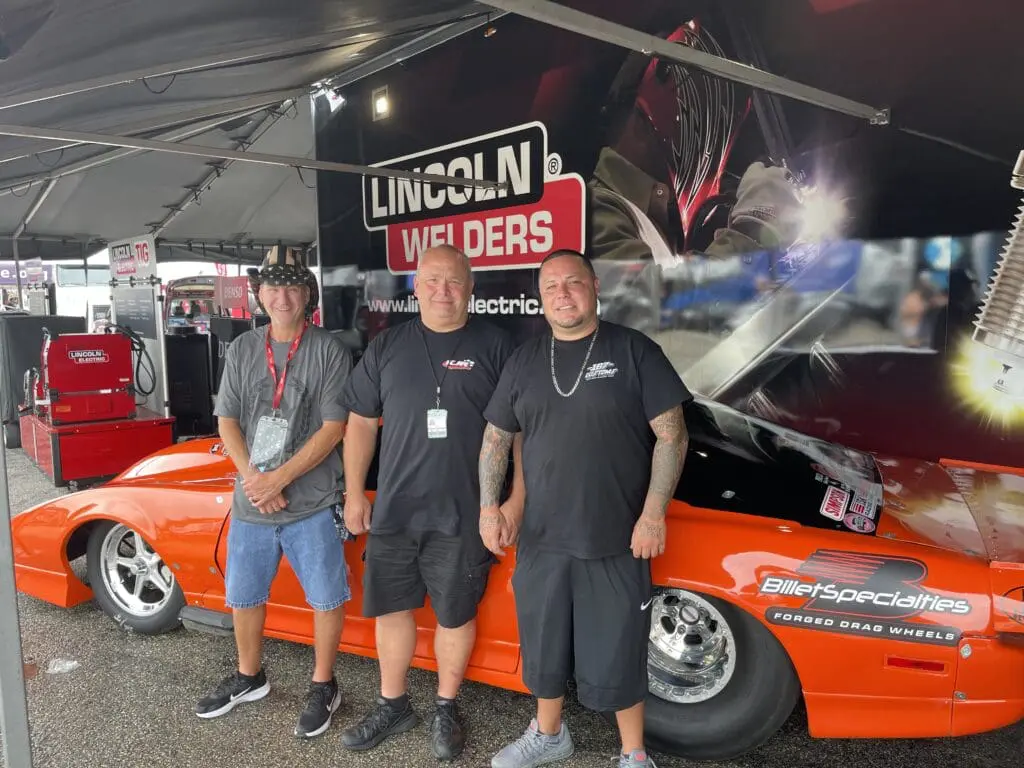
Rhoton’s company represents several manufacturers on the NHRA tour, supplying parts and technical assistance directly to racers at the track. His trailer isn’t just a storefront — it’s a lifeline for competitors who break parts during a race weekend.


“The one racer that you encounter at just about every event that is completely out of competition unless you bail him out — that’s what keeps me coming back,” he said. “Just the satisfaction that you had that one guy that went to the next round because you saved him.”


That moment, he said, outweighs the profit margin. For Rhoton, it’s about pride and persistence. “In some of my negotiations with the manufacturers, I’m not sure what we’re going to do when the common-sense aspect outweighs the pride aspect,” he admitted. “The pride that I’m still surviving, that keeps me out here.”
 

Rhoton acknowledges there are plenty of representatives working the NHRA tour who earn far more than he does. But, he said, the reward is not measured in dollars. “There are a lot of people flying into these races that are reps and that are working, and they’re helping racers the same way that are putting a lot more in the bank than I am,” he said. “But like I say, just that one guy you help and it makes a difference.”


That difference, however, comes at a personal cost. Rhoton admits the constant travel and schedule take a toll on his home life. “Being gone all the time is just extremely hard on everything,” he said. “You can’t plan vacations. I’m gone so much that I don’t get to enjoy time with the wife or the grandkids. Just the NHRA alone puts me on the road about 210 days a year, so it’s hard to find time for ourselves.”


The road schedule leaves little room for balance. “We’ve got animals at home, a dog that we won’t board,” Rhoton said. “Somebody has to be home to oversee her, so it’s hard for the wife to travel to any races with me. It’s just the life on the road gives you no life at home.”


That sacrifice, he said, is one reason he’s so passionate about making the Midway matter again. “If I’m going to be out here that much, it has to be worth it — for the racers and the manufacturers who still believe in what we do,” he said.


The Manufacturers Midway was once drag racing’s oasis — a bustling strip of trailers where fans browsed for souvenirs and racers found the expertise needed to keep their cars running. Rhoton still sees it that way.


“It’s absolutely an oasis,” he said. “But I didn’t just come out here and do this. Jack McCormick, who everybody knew on this midway… Hell, when I first came out here, Jack McCormick gave me stuff to haul so I could survive.”


That early help, Rhoton said, became a cornerstone of his philosophy. “I didn’t do it on my own,” he said. “I just learned from a lot of good people and had a lot of people out here. Look at Jack — he was one of the best to ever do this, and he’s not here anymore. So it’s a tough deal.”


Rhoton said his sense of obligation runs deep — both to those who helped him start and to those who came before him. “A man named Huey Newport is who actually put me in business doing this,” he said. “I came out here in 2001 driving the CSR Painless Wiring Dart Cylinder Head rig. Huey owned that. I went to work for him, and in 2003, Huey wanted to step away and said, ‘I want you to take us over.’”


At the time, Rhoton didn’t have the means. “I told him, ‘You’ve had to wire me money on the road to eat before — kind of hard for me to do,’” he said with a laugh. But Newport believed in him. “He said, ‘I think you’ve took it and run with it. If you can get your own manufacturers, I’ll owner finance.’ And that’s how I got put in business.”


Two decades later, Newport is still part of Rhoton’s daily life. “Huey’s 84 years old now and still calls me every day to see how I’m doing,” Rhoton said. “He introduced me to people like Scooter Brothers from COMP Cams, who gave me probably the best piece of advice I’ve ever had.”


That advice came during a quiet morning at Gainesville Raceway. Rhoton remembers it vividly. “Scooter came by at eight o’clock in the morning and I was the only guy sitting out at the counter at an event in Gainesville, Florida,” Rhoton said. “Scooter walks up and says, ‘You know, just let the rest of these guys keep swinging for the fence. You just keep bunting and taking your base.’”


That simple baseball metaphor became Rhoton’s business mantra. “There’s definitely pride, and I feel like there’s an obligation to people like Huey and Jack and Scooter — and even people who were just giving me advice,” he said. “I feel like there’s an obligation to survive.”


Survival, though, takes more than passion. It requires cooperation between racers, manufacturers, and the sanctioning body. Rhoton believes that unity is the key to restoring the Midway’s vitality. “We’re going to need the racers’ help,” he said. “We need the racers to support these manufacturers more. We need a little help from NHRA, but that’s not the main thing. We just need a little more racer support.”


To those who say the Manufacturers Midway is finished, Rhoton doesn’t flinch. “It’s not dead,” he said firmly. “I really hate to say this in an interview — it may be on life support. But I think if we can just get a couple more people that are willing to work at it, I think it can be resurrected.”


The list of brands Rhoton carries on his trailer reflects the scope of his work. “Right now it’s Holley with their 76-plus brands, Lincoln, Denso, ARP, Jesel, PDS, and Goodridge,” he said. “Those are the backbone. Those are the ones that keep us out here.”


Even with that lineup, he knows it takes more than product names to keep the lights on. “It’s a relationship business,” Rhoton said. “You earn people’s trust by being there when they need you most.”


Rhoton said the decline of the Midway isn’t just about economics — it’s about culture. Online shopping, team-owned inventories, and reduced fan interaction have changed how business is done at the track. But to him, nothing replaces the face-to-face connection between a racer in need and the person who can save their weekend.


“When a racer comes up needing a part just to make the next round, and you can reach in your trailer and hand it to him — that’s what this is about,” Rhoton said. “That’s what the Midway was built on.”


Rhoton’s trailer serves as a reminder of that heritage, filled with stories as much as parts. “There are racers who’ll stop by just to talk,” he said. “They’ll remember a time when the Midway was packed with vendors. Maybe we’re smaller now, but the spirit’s still here.”


He’s not just talking about more vendors. He’s talking about people who share the same pride, perseverance, and sense of duty that kept him on the road for more than 20 years. “It takes folks who care about the sport — racers, fans, and the companies who built it,” Rhoton said. “This isn’t just a business for me. It’s who I am.”


And that identity, he said, keeps him chasing the next event, the next racer, and the next problem to solve. “I’m still surviving,” Rhoton said with a grin. “As long as I can help that one guy, it’s worth it.”


Share the Insights?

Click here to share the article.

ad space x ad space

ad space x ad space

Competition Plus Team

Since our inception, we have been passionately dedicated to delivering the most accurate, timely, and compelling content in the world of drag racing. Our readers depend on us for the latest news, in-depth features, expert analysis, and exclusive interviews that connect you to the sport’s pulse.

Sign up for our newsletters and email list.

This field is for validation purposes and should be left unchanged.
Name

KIP RHOTON KEEPS THE MANUFACTURERS MIDWAY ALIVE ONE RACER AT A TIME

In an era when many say the NHRA Manufacturers Midway has lost its spark, Kip Rhoton is proof there’s still life in what was once drag racing’s traveling marketplace. For more than two decades, Rhoton has been one of the Midway’s most recognizable faces — part parts supplier, part problem solver, and part caretaker of a fading but vital drag racing tradition through his KJR Motorsports Trailer.


Rhoton doesn’t deny that the Midway, once the bustling hub where racers could find parts and advice between rounds, has changed dramatically. But he insists the concept is far from dead.


“Yeah, I’m one of the lone survivors,” Rhoton said. “It has seen a decline. I think things can happen to make it better, but we’re all going to have to work together to do it. In my opinion, competition breeds success out here and we need racer support. We need NHRA support. It’s got to be a team effort, but it’s not dead yet. It’s going to take some more people like me to make it work.”


Rhoton’s company represents several manufacturers on the NHRA tour, supplying parts and technical assistance directly to racers at the track. His trailer isn’t just a storefront — it’s a lifeline for competitors who break parts during a race weekend.


“The one racer that you encounter at just about every event that is completely out of competition unless you bail him out — that’s what keeps me coming back,” he said. “Just the satisfaction that you had that one guy that went to the next round because you saved him.”


That moment, he said, outweighs the profit margin. For Rhoton, it’s about pride and persistence. “In some of my negotiations with the manufacturers, I’m not sure what we’re going to do when the common-sense aspect outweighs the pride aspect,” he admitted. “The pride that I’m still surviving, that keeps me out here.”
 

Rhoton acknowledges there are plenty of representatives working the NHRA tour who earn far more than he does. But, he said, the reward is not measured in dollars. “There are a lot of people flying into these races that are reps and that are working, and they’re helping racers the same way that are putting a lot more in the bank than I am,” he said. “But like I say, just that one guy you help and it makes a difference.”


That difference, however, comes at a personal cost. Rhoton admits the constant travel and schedule take a toll on his home life. “Being gone all the time is just extremely hard on everything,” he said. “You can’t plan vacations. I’m gone so much that I don’t get to enjoy time with the wife or the grandkids. Just the NHRA alone puts me on the road about 210 days a year, so it’s hard to find time for ourselves.”


The road schedule leaves little room for balance. “We’ve got animals at home, a dog that we won’t board,” Rhoton said. “Somebody has to be home to oversee her, so it’s hard for the wife to travel to any races with me. It’s just the life on the road gives you no life at home.”


That sacrifice, he said, is one reason he’s so passionate about making the Midway matter again. “If I’m going to be out here that much, it has to be worth it — for the racers and the manufacturers who still believe in what we do,” he said.


The Manufacturers Midway was once drag racing’s oasis — a bustling strip of trailers where fans browsed for souvenirs and racers found the expertise needed to keep their cars running. Rhoton still sees it that way.


“It’s absolutely an oasis,” he said. “But I didn’t just come out here and do this. Jack McCormick, who everybody knew on this midway… Hell, when I first came out here, Jack McCormick gave me stuff to haul so I could survive.”
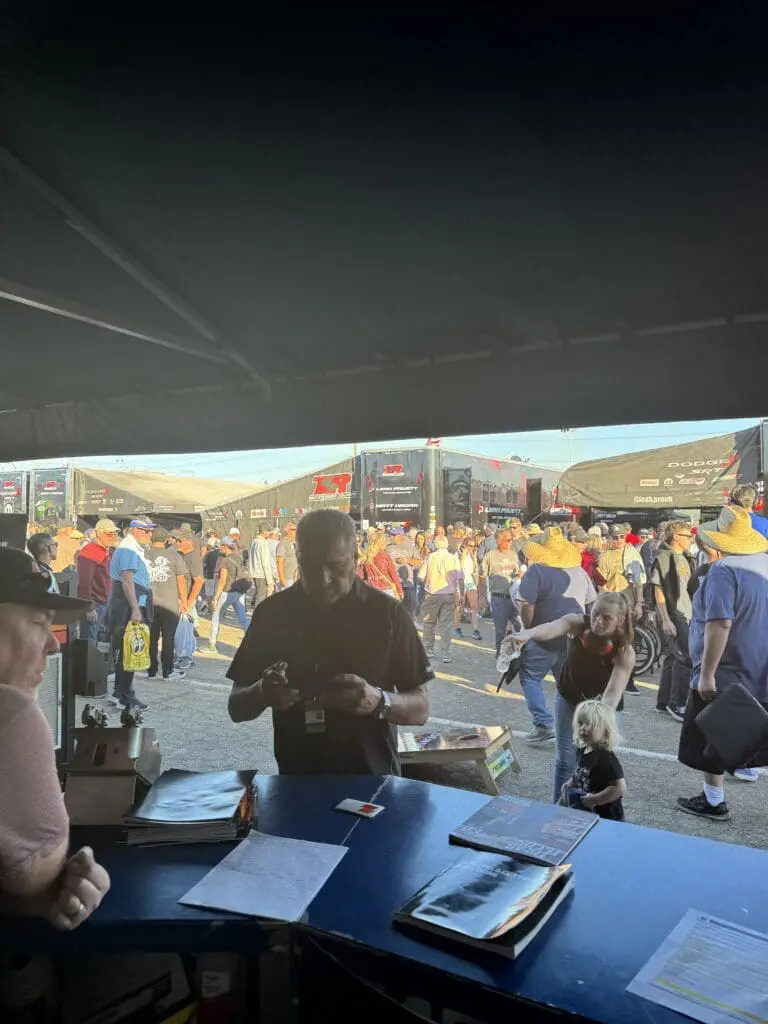
 

That early help, Rhoton said, became a cornerstone of his philosophy. “I didn’t do it on my own,” he said. “I just learned from a lot of good people and had a lot of people out here. Look at Jack — he was one of the best to ever do this, and he’s not here anymore. So it’s a tough deal.”


Rhoton said his sense of obligation runs deep — both to those who helped him start and to those who came before him. “A man named Huey Newport is who actually put me in business doing this,” he said. “I came out here in 2001 driving the CSR Painless Wiring Dart Cylinder Head rig. Huey owned that. I went to work for him, and in 2003, Huey wanted to step away and said, ‘I want you to take us over.’”


At the time, Rhoton didn’t have the means. “I told him, ‘You’ve had to wire me money on the road to eat before — kind of hard for me to do,’” he said with a laugh. But Newport believed in him. “He said, ‘I think you’ve took it and run with it. If you can get your own manufacturers, I’ll owner finance.’ And that’s how I got put in business.”


Two decades later, Newport is still part of Rhoton’s daily life. “Huey’s 84 years old now and still calls me every day to see how I’m doing,” Rhoton said. “He introduced me to people like Scooter Brothers from COMP Cams, who gave me probably the best piece of advice I’ve ever had.”


That advice came during a quiet morning at Gainesville Raceway. Rhoton remembers it vividly. “Scooter came by at eight o’clock in the morning and I was the only guy sitting out at the counter at an event in Gainesville, Florida,” Rhoton said. “Scooter walks up and says, ‘You know, just let the rest of these guys keep swinging for the fence. You just keep bunting and taking your base.’”

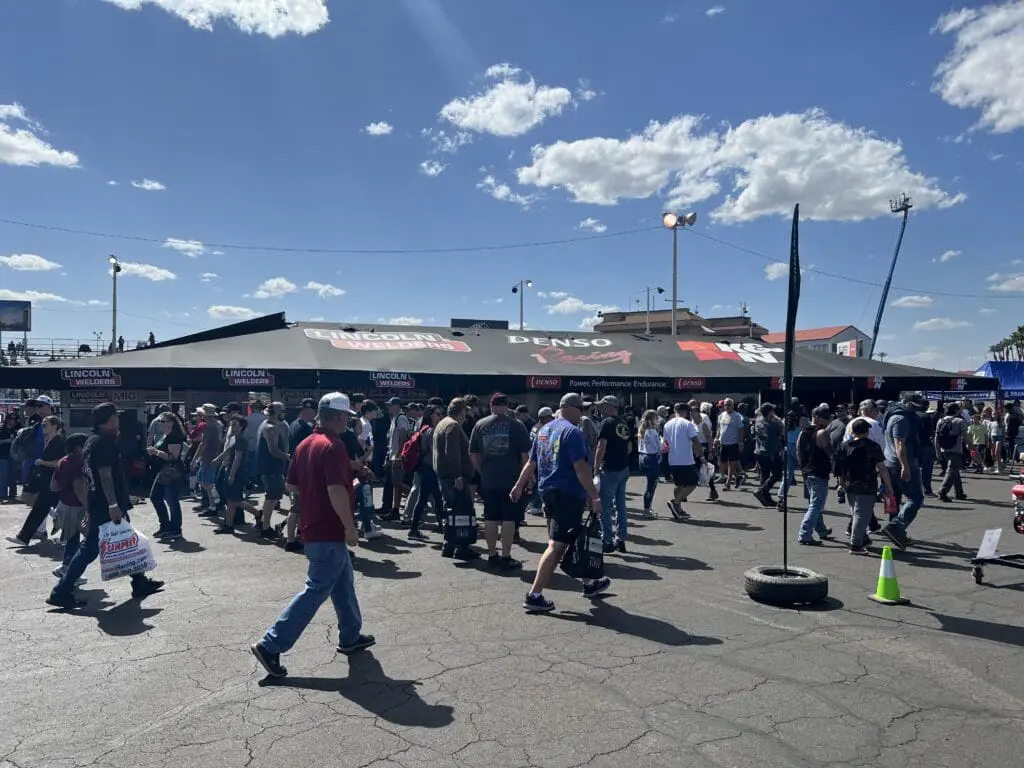
 

That simple baseball metaphor became Rhoton’s business mantra. “There’s definitely pride, and I feel like there’s an obligation to people like Huey and Jack and Scooter — and even people who were just giving me advice,” he said. “I feel like there’s an obligation to survive.”


Survival, though, takes more than passion. It requires cooperation between racers, manufacturers, and the sanctioning body. Rhoton believes that unity is the key to restoring the Midway’s vitality. “We’re going to need the racers’ help,” he said. “We need the racers to support these manufacturers more. We need a little help from NHRA, but that’s not the main thing. We just need a little more racer support.”


To those who say the Manufacturers Midway is finished, Rhoton doesn’t flinch. “It’s not dead,” he said firmly. “I really hate to say this in an interview — it may be on life support. But I think if we can just get a couple more people that are willing to work at it, I think it can be resurrected.”


The list of brands Rhoton carries on his trailer reflects the scope of his work. “Right now it’s Holley with their 76-plus brands, Lincoln, Denso, ARP, Jesel, PDS, and Goodridge,” he said. “Those are the backbone. Those are the ones that keep us out here.”


Even with that lineup, he knows it takes more than product names to keep the lights on. “It’s a relationship business,” Rhoton said. “You earn people’s trust by being there when they need you most.”

 

Rhoton said the decline of the Midway isn’t just about economics — it’s about culture. Online shopping, team-owned inventories, and reduced fan interaction have changed how business is done at the track. But to him, nothing replaces the face-to-face connection between a racer in need and the person who can save their weekend.


“When a racer comes up needing a part just to make the next round, and you can reach in your trailer and hand it to him — that’s what this is about,” Rhoton said. “That’s what the Midway was built on.”


Rhoton’s trailer serves as a reminder of that heritage, filled with stories as much as parts. “There are racers who’ll stop by just to talk,” he said. “They’ll remember a time when the Midway was packed with vendors. Maybe we’re smaller now, but the spirit’s still here.”


He’s not just talking about more vendors. He’s talking about people who share the same pride, perseverance, and sense of duty that kept him on the road for more than 20 years. “It takes folks who care about the sport — racers, fans, and the companies who built it,” Rhoton said. “This isn’t just a business for me. It’s who I am.”


And that identity, he said, keeps him chasing the next event, the next racer, and the next problem to solve. “I’m still surviving,” Rhoton said with a grin. “As long as I can help that one guy, it’s worth it.”


 

Picture of John Doe

John Doe

Lorem ipsum dolor sit amet consectetur adipiscing elit dolor

More Posts

Send Us A Message

Picture of Bobby Bennett
Bobby Bennett
Thank you for joining us on this journey. Your support and trust inspire us every day to deliver the best in drag racing journalism. We are excited about the future and look forward to continuing to serve you with the same dedication and passion that has defined CompetitionPlus.comfrom the very beginning.

Don’t miss these other exciting stories!

Explore more action packed posts on Competition Plus, where we dive into the latest in Drag Racing News. Discover a range of topics, from race coverage to in-depth interviews, to keep you informed and entertained.