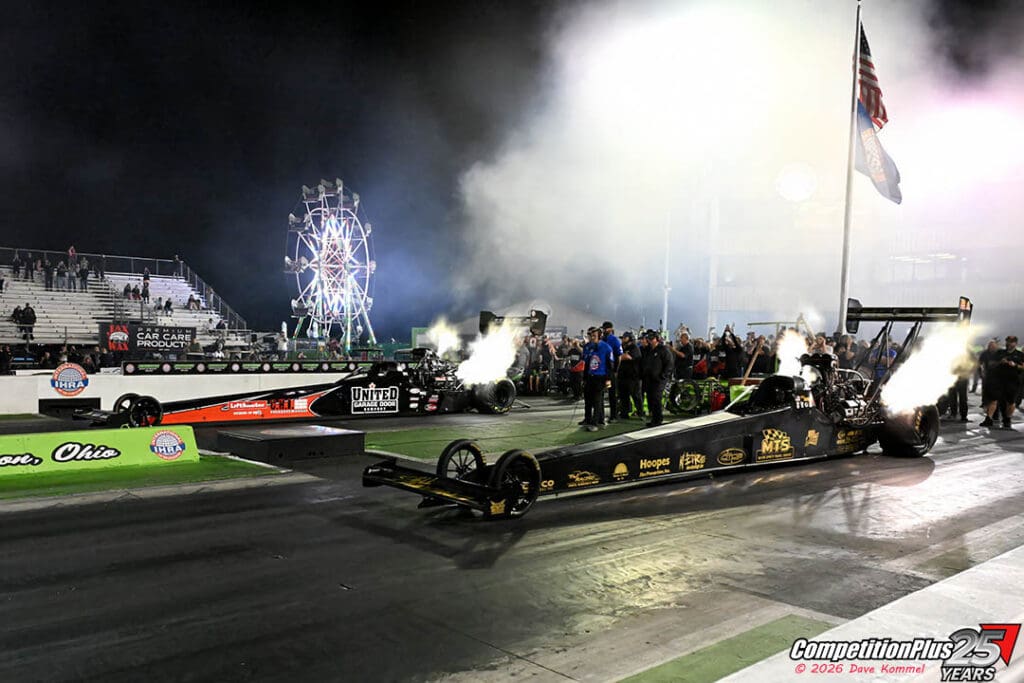
Bobby Lagana Jr. left the IHRA Triple Crown opener with his driver, Tripp Tatum, holding the trophy, but what stayed with him had little to do with winning. It was the return of the camaraderie longtime racers still associate with IHRA competition.
 
By the end of the weekend, racers wandered freely from one pit to another. Crew chiefs who normally competed against one another stood shoulder to shoulder around race cars, congratulated rivals after record runs and celebrated success regardless of whose name appeared on the time slip.
 
Tatum’s victory at Darana Motorsports Park became the backdrop for something larger than one team’s success. Around him, former IHRA racers, crew chiefs, officials and longtime competitors reunited in a way that made the event feel more like a family reunion than a national event.
 
For two days, many of the invisible lines that have separated teams in recent years seemed to disappear. The atmosphere served as a reminder of an era when racers routinely helped one another before trying to outrun each other.
 
“I hope Darryl [Cuttell] can keep it going,” Lagana said. “We just had a really good time. Seeing all the old IHRA, there’s so many old IHRA guys there, not just the officials, but a bunch of the racers. Mountain Motor Pro Stock drivers, just our guys that we raced with our whole lives.”
 
Tatum’s pit became a gathering place for racers whose resumes stretched across decades of IHRA competition. Jake Sanders revived the original Nitro Ninja operation, Richie Crampton repaired the chassis, Sanders assembled the car in the weeks leading into Columbus, and experienced hands from throughout the pits simply found ways to help.
Kyle Wurtzel joined the effort, Dom Lagana pitched in, Scott Palmer was there lending his experience, and Aaron Brooks worked alongside the Barkers. For one weekend, nobody seemed concerned about where one team ended and another began.
 
Lagana wasn’t criticizing the atmosphere of today’s NHRA tour. Instead, he said the weekend reminded him where he and his brother learned what drag racing was supposed to feel like.
 
“Abso-flipping-lutely,” Lagana said when asked if the weekend reminded him of his roots. “Now, this is my job is drag racing here on this side, but I don’t know. It’s just our sport is in a weird spot right now.”
 
“I hope that there’s a way to sustain what he’s got going over there because it breeded old school and just what drag racing was about.”
 
That spirit extended well beyond Tatum’s pit.
 
“Everybody was just happy for each other making good runs,” Lagana said. 
 
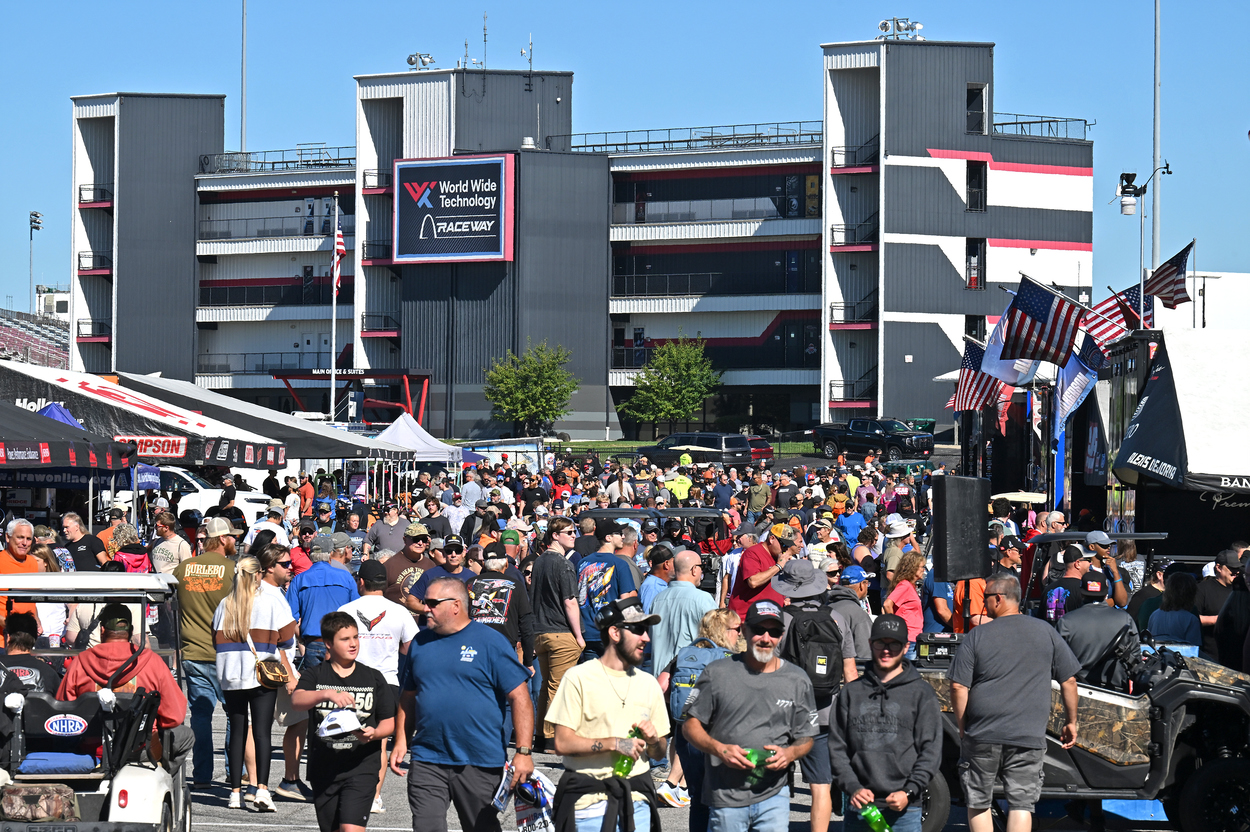
The same feeling reached nearly every corner of the property. Top Fuel Harley racers, Mountain Motor Pro Stock veterans and longtime IHRA regulars spent as much time catching up with old friends as they did preparing for the next round.
 
“There was so many old friends… I don’t even know the names of every single person, but I know most of the faces,” Lagana said. “And you just got to see so many people and just hang out with the Harleys. Harleys were, they were a staple of IHRA drag racing and there was 16 of them there. I mean, Jay Turner, he’s one of our best friends and just to watch those guys and just to see, you know what I mean? It just brought it all back.”
 
Lagana said one of the lasting impressions from the weekend came from the people whose names rarely appear in headlines.
Officials, track workers and crew members who spend long days keeping races moving were the same people he first met while racing IHRA decades ago. Those relationships, he said, have always been as important as anything that happened on the race track.
 
“We race that way here at Torrence, we do,” Lagana said. “We try our best to… We’re very respectful of our opponents and try to help the organization the best we can.
 
“And sometimes that gets lost in… On the NHRA side, I talk with the workers all the time, the guys that are in the trenches working, and those are the guys that I love the most because they drive down the road, they don’t have huge salaries… those are the guys that I respect the most.”
 
It wasn’t difficult for Lagana to remember the days when his family’s Top Fuel operation arrived at races on a rollback truck. Back then, many of the sport’s established teams were usually the first ones elbow-to-elbow helping them get ready for first round. Those experiences shaped how he still approaches the sport today.
 
“When I crashed at IHRA, the amount of people that helped me and my family after that crash,” Lagana said. “We went through all of our books or our items from years ago because we’re just cleaning up our houses, our shop, and you found all these notes from the other racers and fans. I mean, the Binghams at IHRA and there was just so much support and love at the IHRA.”
 
Those memories resurfaced throughout the weekend.
The race ended with Tatum holding the winner’s trophy, but many of the conversations afterward centered on the atmosphere surrounding the event. Questions about who chose not to attend mattered far less than the people who did.
 
“It didn’t matter,” Lagana said.
 
Instead, racers concentrated on the competition in front of them and the people sharing it with them.
 
“We didn’t intend to run late on Friday. There were some delays, but they did a great job with the track prep,” Lagana said. “And I don’t know, there was just a different buzz and excitement. It exactly made me just think about all those years, all of those years.”
 
The weekend served as a reminder that some of the strongest traditions in drag racing were never measured by championships or what they could win. Lagana has always believed they were built one relationship at a time in the pits long before the first pair was called to the staging lanes.
 
“Watching it start to come back alive just makes your blood happy, if that makes sense,” Lagana said. “I don’t know. I was really happy to have the opportunity to go. I mean, we were fortunate enough to win the race, but I would’ve been happy for any one of the teams to win. We were rooting for and happy for everybody. It was just awesome.”

Share the Insights?

Click here to share the article.

ad space x ad space

ad space x ad space

Competition Plus Team

Since our inception, we have been passionately dedicated to delivering the most accurate, timely, and compelling content in the world of drag racing. Our readers depend on us for the latest news, in-depth features, expert analysis, and exclusive interviews that connect you to the sport’s pulse.

Sign up for our newsletters and email list.

This field is for validation purposes and should be left unchanged.
Name

THE IHRA WAS ALWAYS ABOUT THE PEOPLE, AND BOBBY LAGANA JR. WAS REMINDED WHY

Bobby Lagana Jr. left the IHRA Triple Crown opener with his driver, Tripp Tatum, holding the trophy, but what stayed with him had little to do with winning. It was the return of the camaraderie longtime racers still associate with IHRA competition.
 
By the end of the weekend, racers wandered freely from one pit to another. Crew chiefs who normally competed against one another stood shoulder to shoulder around race cars, congratulated rivals after record runs and celebrated success regardless of whose name appeared on the time slip.
 
Tatum’s victory at Darana Motorsports Park became the backdrop for something larger than one team’s success. Around him, former IHRA racers, crew chiefs, officials and longtime competitors reunited in a way that made the event feel more like a family reunion than a national event.
 
For two days, many of the invisible lines that have separated teams in recent years seemed to disappear. The atmosphere served as a reminder of an era when racers routinely helped one another before trying to outrun each other.
 
“I hope Darryl [Cuttell] can keep it going,” Lagana said. “We just had a really good time. Seeing all the old IHRA, there’s so many old IHRA guys there, not just the officials, but a bunch of the racers. Mountain Motor Pro Stock drivers, just our guys that we raced with our whole lives.”
 
Tatum’s pit became a gathering place for racers whose resumes stretched across decades of IHRA competition. Jake Sanders revived the original Nitro Ninja operation, Richie Crampton repaired the chassis, Sanders assembled the car in the weeks leading into Columbus, and experienced hands from throughout the pits simply found ways to help.
Kyle Wurtzel joined the effort, Dom Lagana pitched in, Scott Palmer was there lending his experience, and Aaron Brooks worked alongside the Barkers. For one weekend, nobody seemed concerned about where one team ended and another began.
 
Lagana wasn’t criticizing the atmosphere of today’s NHRA tour. Instead, he said the weekend reminded him where he and his brother learned what drag racing was supposed to feel like.
 
“Abso-flipping-lutely,” Lagana said when asked if the weekend reminded him of his roots. “Now, this is my job is drag racing here on this side, but I don’t know. It’s just our sport is in a weird spot right now.”
 
“I hope that there’s a way to sustain what he’s got going over there because it breeded old school and just what drag racing was about.”
 
That spirit extended well beyond Tatum’s pit.
 
“Everybody was just happy for each other making good runs,” Lagana said. 
 
The same feeling reached nearly every corner of the property. Top Fuel Harley racers, Mountain Motor Pro Stock veterans and longtime IHRA regulars spent as much time catching up with old friends as they did preparing for the next round.
 
“There was so many old friends… I don’t even know the names of every single person, but I know most of the faces,” Lagana said. “And you just got to see so many people and just hang out with the Harleys. Harleys were, they were a staple of IHRA drag racing and there was 16 of them there. I mean, Jay Turner, he’s one of our best friends and just to watch those guys and just to see, you know what I mean? It just brought it all back.”
 
Lagana said one of the lasting impressions from the weekend came from the people whose names rarely appear in headlines.
Officials, track workers and crew members who spend long days keeping races moving were the same people he first met while racing IHRA decades ago. Those relationships, he said, have always been as important as anything that happened on the race track.
 
“We race that way here at Torrence, we do,” Lagana said. “We try our best to… We’re very respectful of our opponents and try to help the organization the best we can.
 
“And sometimes that gets lost in… On the NHRA side, I talk with the workers all the time, the guys that are in the trenches working, and those are the guys that I love the most because they drive down the road, they don’t have huge salaries… those are the guys that I respect the most.”
 
It wasn’t difficult for Lagana to remember the days when his family’s Top Fuel operation arrived at races on a rollback truck. Back then, many of the sport’s established teams were usually the first ones elbow-to-elbow helping them get ready for first round. Those experiences shaped how he still approaches the sport today.
 
“When I crashed at IHRA, the amount of people that helped me and my family after that crash,” Lagana said. “We went through all of our books or our items from years ago because we’re just cleaning up our houses, our shop, and you found all these notes from the other racers and fans. I mean, the Binghams at IHRA and there was just so much support and love at the IHRA.”
 
Those memories resurfaced throughout the weekend.
The race ended with Tatum holding the winner’s trophy, but many of the conversations afterward centered on the atmosphere surrounding the event. Questions about who chose not to attend mattered far less than the people who did.
 
“It didn’t matter,” Lagana said.
 
Instead, racers concentrated on the competition in front of them and the people sharing it with them.
 
“We didn’t intend to run late on Friday. There were some delays, but they did a great job with the track prep,” Lagana said. “And I don’t know, there was just a different buzz and excitement. It exactly made me just think about all those years, all of those years.”
 
The weekend served as a reminder that some of the strongest traditions in drag racing were never measured by championships or what they could win. Lagana has always believed they were built one relationship at a time in the pits long before the first pair was called to the staging lanes.
 
“Watching it start to come back alive just makes your blood happy, if that makes sense,” Lagana said. “I don’t know. I was really happy to have the opportunity to go. I mean, we were fortunate enough to win the race, but I would’ve been happy for any one of the teams to win. We were rooting for and happy for everybody. It was just awesome.”
Picture of John Doe

John Doe

Lorem ipsum dolor sit amet consectetur adipiscing elit dolor

More Posts

Send Us A Message

Picture of Bobby Bennett
Bobby Bennett
Thank you for joining us on this journey. Your support and trust inspire us every day to deliver the best in drag racing journalism. We are excited about the future and look forward to continuing to serve you with the same dedication and passion that has defined CompetitionPlus.com from the very beginning.

Don’t miss these other exciting stories!

Explore more action packed posts on Competition Plus, where we dive into the latest in Drag Racing News. Discover a range of topics, from race coverage to in-depth interviews, to keep you informed and entertained.