

For more than four decades, Marvin Benoit was one of drag racing’s quiet innovators, a man whose fingerprints can be found on thousands of race cars and whose willingness to help competitors earned the respect of racers from local tracks to the sport’s biggest stages.

Benoit, 69, died July 12 at his home in Alvaton, Ky., surrounded by his family. He is survived by his wife, Ruth; his daughter, Angela Benoit Neely, and her husband, Timmy Neely; granddaughter Mikayla Neely; and his brother, Jacques Benoit.

Benoit’s passing closes the chapter on a career that reached far beyond horsepower numbers and race wins, touching generations of racers who relied on his engineering knowledge, technical support and generosity.

The drag racing community has never been short on larger-than-life personalities. It’s a role that Benoit never sought.

Instead, he built his legacy behind the scenes, where ideas, innovation and countless hours of development often mattered more than public recognition. Those who knew him best describe a humble man who rarely talked about his accomplishments, even though many of the industry’s biggest names trusted him with their carburetion programs.

Benoit’s journey into performance engineering began in Michigan, where a passion for racing developed at an early age. His fascination with the industry eventually led him to join Holley in 1976, where he started as a flow technician and spent the next two decades developing high-performance carburetor technology.

Benoit became known for taking proven concepts and improving them, introducing interchangeable air bleeds, redesigned metering blocks, updated main bodies and the return of the quick-set secondary vacuum system at a time when few companies were pursuing those ideas. His work made tuning more precise while giving racers greater flexibility at the track.

Those advancements became staples throughout sportsman and professional drag racing.
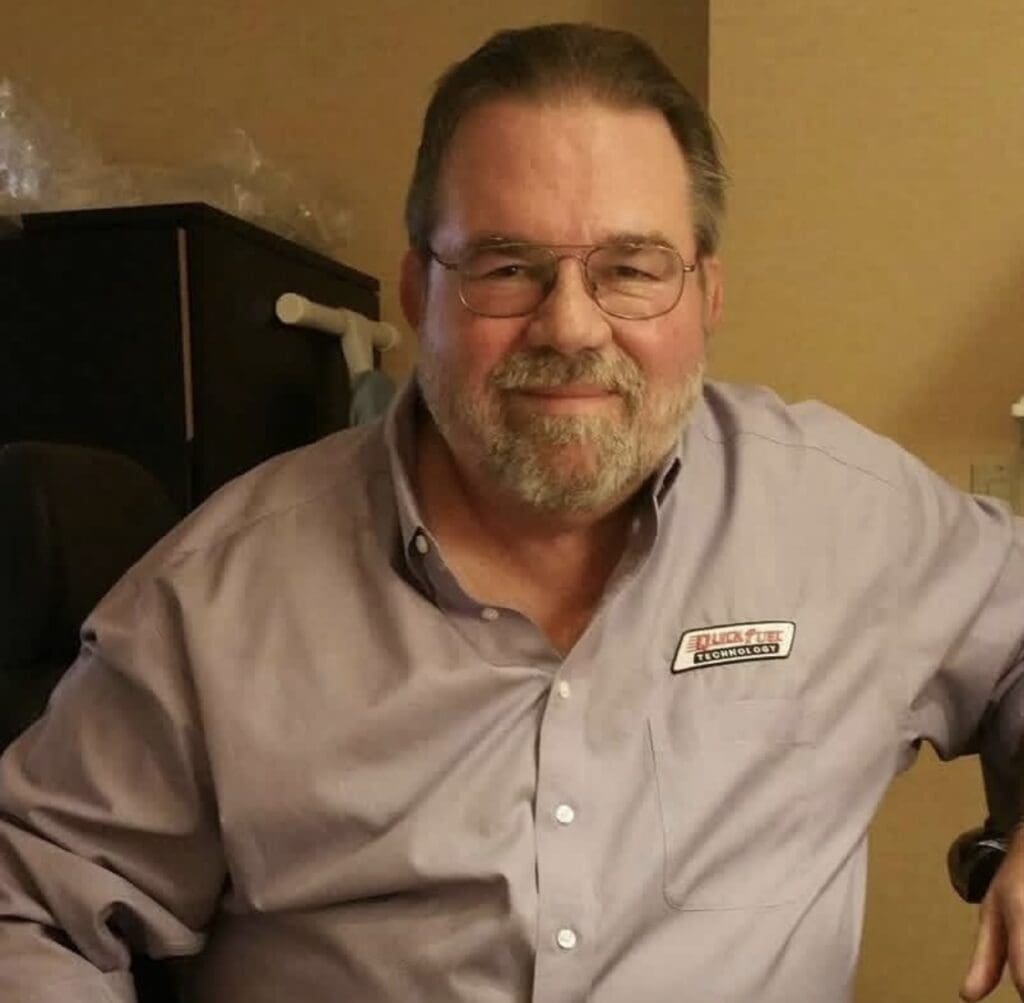
After leaving Holley, Benoit founded Quick Fuel Technology, a company that quickly earned a reputation for producing high-performance carburetors built specifically for racers. The company grew through engineering, customer service and Benoit’s willingness to spend as much time helping racers in the pits as he did designing new products.

As Quick Fuel evolved, Benoit expanded beyond race-only carburetors and into the high-performance street market. In 2005, he introduced the Super Street carburetor line, applying the same tuning philosophy and performance characteristics that had made his racing carburetors successful.

Five years later, Benoit followed with the HR Series carburetors, a cast-aluminum design that delivered race-inspired performance and tunability at a more affordable price. The additions marked a significant period of growth for Quick Fuel, extending Benoit’s engineering expertise to an even broader segment of the performance industry.

He later sold Quick Fuel in 2012 to the investment group that owned Holley and remained involved through 2016 as a member of the board before continuing to serve the industry as a consultant for ATM Innovation.

Friends and family recall race weekends where Benoit routinely gave away parts, solved problems and made certain competitors had what they needed to make the next round. That philosophy became part of Quick Fuel’s identity and helped establish the company as more than just another performance parts manufacturer.

For Benoit, customer service wasn’t a marketing strategy. It was an important part of his life.

His engineering résumé also included collaboration on numerous performance components, including carburetor boosters, fuel delivery systems and manifold development. Those projects often happened quietly, without fanfare, but they became integral pieces of countless successful race programs.

An IHRA racer before later competing in NHRA competition, he spent years behind the wheel in Super Comp, Super Gas and Stock eliminator. Winning races was never the only objective.

Like many lifelong racers, he loved being at the racetrack.
His peers recognized both his technical contributions and his dedication to the sport.

Benoit was named IHRA Man of the Year in 1997, an honor reflecting not only his accomplishments in business but also the respect he earned throughout the drag racing community. He was later inducted into the Kentucky Motorsports Hall of Fame in recognition of a lifetime devoted to advancing motorsports.

Many racers may never have realized the carburetor on their engine contained ideas pioneered by Benoit or benefited from innovations he helped refine. Others knew exactly where those ideas originated because they had watched him solve problems one conversation at a time in the pits.

Perhaps that is the most fitting measure of his legacy.

Drag racing has produced countless engine builders, tuners and inventors. Few combined technical brilliance with humility as naturally as Marvin Benoit, a man who preferred helping others succeed instead of seeking credit for himself.

The sport lost an innovator on July 12.

More importantly, it lost one of the genuinely good people who made drag racing stronger every time he walked through the pit gate.

Share the Insights?

Click here to share the article.

ad space x ad space

ad space x ad space

Competition Plus Team

Since our inception, we have been passionately dedicated to delivering the most accurate, timely, and compelling content in the world of drag racing. Our readers depend on us for the latest news, in-depth features, expert analysis, and exclusive interviews that connect you to the sport’s pulse.

Sign up for our newsletters and email list.

This field is for validation purposes and should be left unchanged.
Name

MARVIN BENOIT LEFT HIS MARK ON DRAG RACING ONE CARBURETOR AT A TIME

For more than four decades, Marvin Benoit was one of drag racing’s quiet innovators, a man whose fingerprints can be found on thousands of race cars and whose willingness to help competitors earned the respect of racers from local tracks to the sport’s biggest stages.

Benoit, 69, died July 12 at his home in Alvaton, Ky., surrounded by his family. He is survived by his wife, Ruth; his daughter, Angela Benoit Neely, and her husband, Timmy Neely; granddaughter Mikayla Neely; and his brother, Jacques Benoit.

Benoit’s passing closes the chapter on a career that reached far beyond horsepower numbers and race wins, touching generations of racers who relied on his engineering knowledge, technical support and generosity.

The drag racing community has never been short on larger-than-life personalities. It’s a role that Benoit never sought.

Instead, he built his legacy behind the scenes, where ideas, innovation and countless hours of development often mattered more than public recognition. Those who knew him best describe a humble man who rarely talked about his accomplishments, even though many of the industry’s biggest names trusted him with their carburetion programs.

Benoit’s journey into performance engineering began in Michigan, where a passion for racing developed at an early age. His fascination with the industry eventually led him to join Holley in 1976, where he started as a flow technician and spent the next two decades developing high-performance carburetor technology.

Benoit became known for taking proven concepts and improving them, introducing interchangeable air bleeds, redesigned metering blocks, updated main bodies and the return of the quick-set secondary vacuum system at a time when few companies were pursuing those ideas. His work made tuning more precise while giving racers greater flexibility at the track.

Those advancements became staples throughout sportsman and professional drag racing.

After leaving Holley, Benoit founded Quick Fuel Technology, a company that quickly earned a reputation for producing high-performance carburetors built specifically for racers. The company grew through engineering, customer service and Benoit’s willingness to spend as much time helping racers in the pits as he did designing new products.

As Quick Fuel evolved, Benoit expanded beyond race-only carburetors and into the high-performance street market. In 2005, he introduced the Super Street carburetor line, applying the same tuning philosophy and performance characteristics that had made his racing carburetors successful.

Five years later, Benoit followed with the HR Series carburetors, a cast-aluminum design that delivered race-inspired performance and tunability at a more affordable price. The additions marked a significant period of growth for Quick Fuel, extending Benoit’s engineering expertise to an even broader segment of the performance industry.

He later sold Quick Fuel in 2012 to the investment group that owned Holley and remained involved through 2016 as a member of the board before continuing to serve the industry as a consultant for ATM Innovation.

Friends and family recall race weekends where Benoit routinely gave away parts, solved problems and made certain competitors had what they needed to make the next round. That philosophy became part of Quick Fuel’s identity and helped establish the company as more than just another performance parts manufacturer.

For Benoit, customer service wasn’t a marketing strategy. It was an important part of his life.

His engineering résumé also included collaboration on numerous performance components, including carburetor boosters, fuel delivery systems and manifold development. Those projects often happened quietly, without fanfare, but they became integral pieces of countless successful race programs.

An IHRA racer before later competing in NHRA competition, he spent years behind the wheel in Super Comp, Super Gas and Stock eliminator. Winning races was never the only objective.

Like many lifelong racers, he loved being at the racetrack.
His peers recognized both his technical contributions and his dedication to the sport.

Benoit was named IHRA Man of the Year in 1997, an honor reflecting not only his accomplishments in business but also the respect he earned throughout the drag racing community. He was later inducted into the Kentucky Motorsports Hall of Fame in recognition of a lifetime devoted to advancing motorsports.

Many racers may never have realized the carburetor on their engine contained ideas pioneered by Benoit or benefited from innovations he helped refine. Others knew exactly where those ideas originated because they had watched him solve problems one conversation at a time in the pits.

Perhaps that is the most fitting measure of his legacy.

Drag racing has produced countless engine builders, tuners and inventors. Few combined technical brilliance with humility as naturally as Marvin Benoit, a man who preferred helping others succeed instead of seeking credit for himself.

The sport lost an innovator on July 12.

More importantly, it lost one of the genuinely good people who made drag racing stronger every time he walked through the pit gate.

Picture of John Doe

John Doe

Lorem ipsum dolor sit amet consectetur adipiscing elit dolor

More Posts

Send Us A Message

Picture of Bobby Bennett
Bobby Bennett
Thank you for joining us on this journey. Your support and trust inspire us every day to deliver the best in drag racing journalism. We are excited about the future and look forward to continuing to serve you with the same dedication and passion that has defined CompetitionPlus.com from the very beginning.

Don’t miss these other exciting stories!

Explore more action packed posts on Competition Plus, where we dive into the latest in Drag Racing News. Discover a range of topics, from race coverage to in-depth interviews, to keep you informed and entertained.