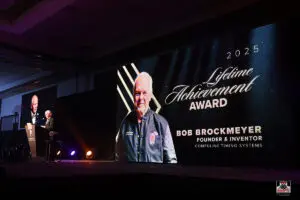
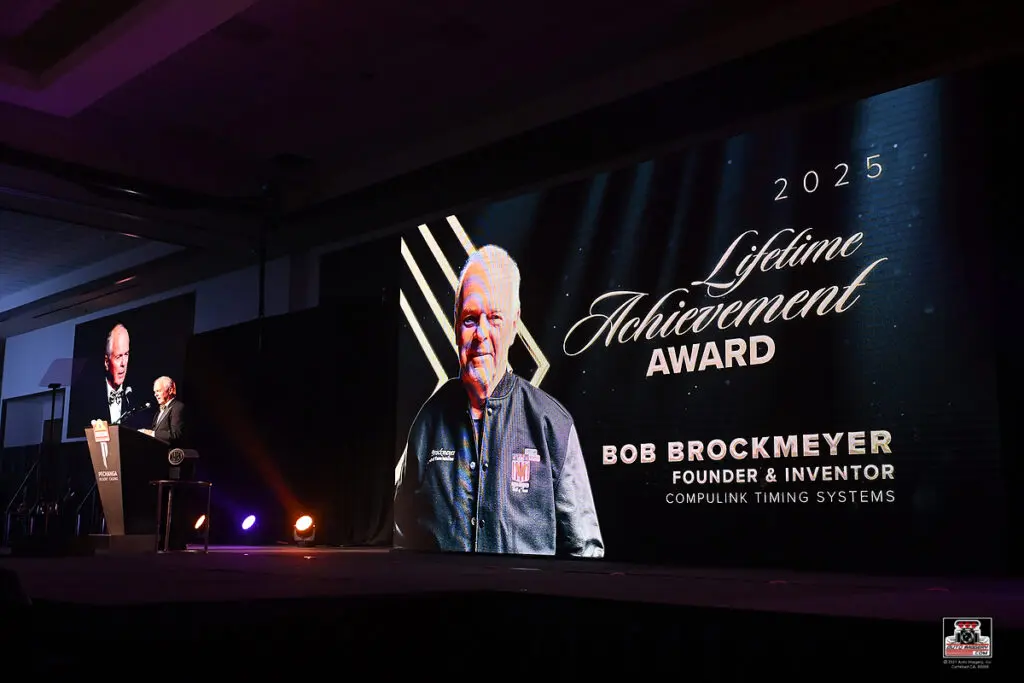


For the last few decades, not having something to do has never been a problem for Compulink Timing Systems founder Bob Brockmeyer. Then he decided to retire, or at least as much as someone like Brockmeyer can retire.
After 43 years overseeing timing and scoring at NHRA national events, Brockmeyer has stepped away from that role while helping the sanctioning body build the system that will eventually replace his own. It’s a fitting final chapter for a man whose fingerprints are all over modern drag racing, even if most fans never knew his name.
Drivers know elapsed times and crew chiefs study 60-foot numbers. Teams dissect incremental clocks and reaction times after every run.
This advancement in technology traces back to Brockmeyer.
“43 years,” Brockmeyer said when relecting his involvment with NHRA. “43 years. I mean, not retired completely from NHRA, everything, just the national events, because they’re building their own system.”
Brockmeyer smiles at the irony exhibited here. While some people spend their final years protecting what they built, Brockmeyer is helping NHRA create the next generation of timing technology. He built the interface allowing the new system to communicate with NHRA’s infrastructure and begin gathering data.
In many ways, he’s trying to ensure NHRA avoids repeating history. Veteran fans still remember the timing and scoring chaos at National Trail Raceway years ago, the incident that inspired Larry Morgan’s famous “You Can’t Fix Stupid” shirts and became a cautionary tale whenever timing systems became a topic of discussion.
Brockmeyer understands how much is riding on getting it right. When asked if CompuLink had become one of the sport’s primary pillars of integrity, his answer was understated.
“We’ve had a lot of people say that,” Brockmeyer said. “NHRA is building their own. We’re actually helping them right now. Built an interface just to get to their stuff working. They can get on their own, because that’s where they want to be. Yeah, but I think it’s actually helped the sport.”
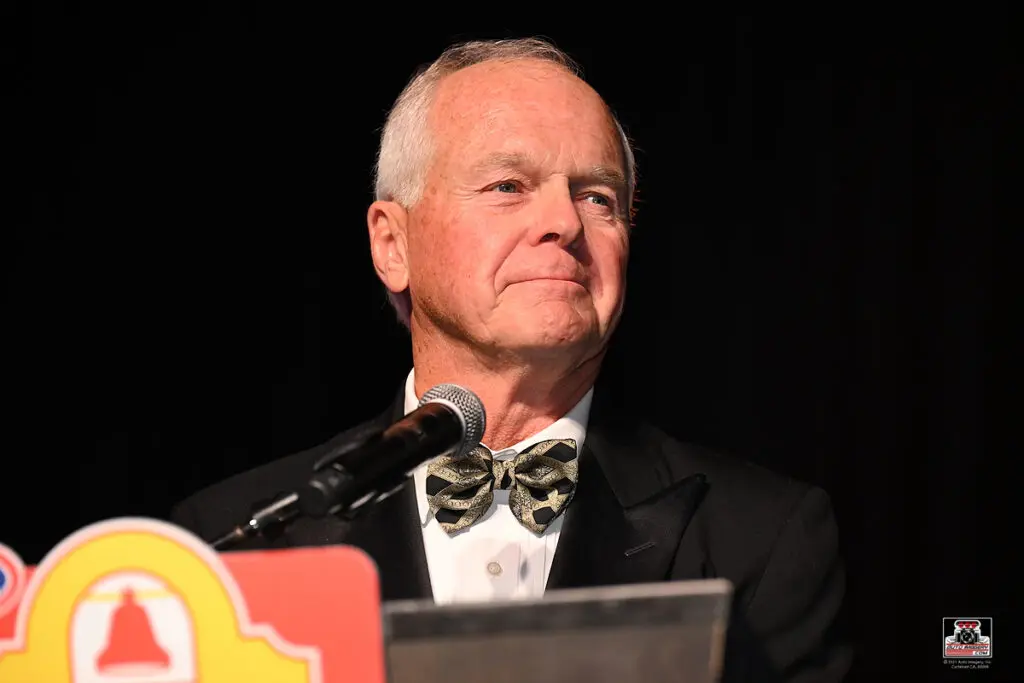

Credit Brockmeyer for the understatement of the year. Brockmeyer’s CompuLink wasn’t born from a business plan. It started because track owner John Bandimere approached the local Super Pro racer with an idea.
“Why don’t we build a computer-based timing system?” Brockmeyer recalled Bandimere asking him while the two were at the Bandimere Speedway.
At the time, Brockmeyer wasn’t looking for a new career. He was racing, and all the while building a house and working in Colorado’s mining industry. Timing systems were little more than an interesting side project.
But then NHRA noticed what Brockmeyer was up to.
“We started playing around with it at Bandimere,” Brockmeyer said. “Then NHRA heard about it. Darrell Zimmerman, and he goes, ‘Hey, I’m going to talk to NHRA. I want to run this with the Mile-Highs coming up the next year.’ We did, ran it at the Mile-Highs, and went from there.”
Brockmeyer’s next move changed the sport. He took a process that often involved handwritten time slips, television monitors and manually relayed information and pushed it into the computer age.
Many times the systems that racers now take for granted didn’t exist then. Incrementals didn’t exist and the modern printouts were deemed rocket science. But Brockmeyer believed they needed to be available.
“I thought, with a reaction timer, we need to have 60-foot intermediates, 330, all that,” Brockmeyer said. “That’s going to be really important, especially for faster cars in the future.”
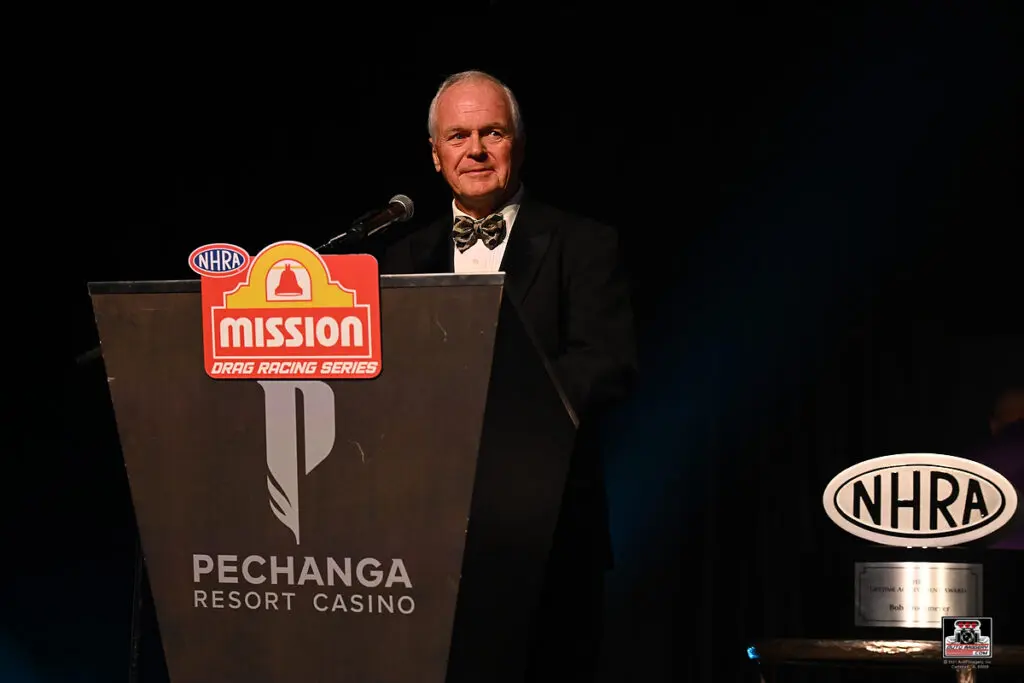
So many of today’s front-running tuners depend on Brockmeyer’s creation to plot their next qualifying or championship run. He often wonders how did the sport exist 50 years ago?
It became necessity, and for the 60-foot timers, that was born out of the need for data associated with tire tests.
“The 60-foot came from when tire companies, Goodyear, Firestone, whatever, were doing tire tests,” Brockmeyer explained. “There’s a bunch of data out there on that already. We’ll stay with 60-foot times.”
The lesson became one Brockmeyer followed throughout his career. He knew he needed to advance his system without going over the heads of those who depend on the product.
“Don’t change the whole world,” Brockmeyer said. “We’ll put some data out there that people are kind of used to.”
The retirement concept, Brockmeyer adds, is one he is still trying to get a handle on. He still supports divisional events and racetracks that continue using CompuLink systems by fielding their calls. Customer service remains high on his priorities.
But, then again, there’s a part of his that still sounds like a racer.
“I just went out fishing last week for a couple days,” Brockmeyer said. “Go fishing, go ski in the winter, which, I moved to Colorado to go ski, and then we worked so hard I haven’t skied much.”

The reality is that Brockmeyer has spent most of his adult life solving problems and just cannot seem to shut the switch off cold turkey. That’s one reason some people were surprised to learn he was helping NHRA build a replacement system.
“Aren’t you kind of preparing your own replacement?” he was asked.
“Yeah, exactly,” Brockmeyer replied. “Everybody that knows about it, going, ‘Why are you putting yourself out of business?’ I said, ‘Well, I’m not.'”
In Brockmeyer’s world it makes perfect sense.
“They know that I don’t want to be out sitting roll-out when I’m 105 at Pomona Raceway or something like that,” Brockmeyer said. “I thought, ‘You know what? Here’s the light at the end of the tunnel for me, too. I can maybe do something else besides 24/7 timing essentially all year long.'”
For a man who accidentally changed drag racing while looking for something interesting to do, this might be the closest thing to retirement he’ll ever find.