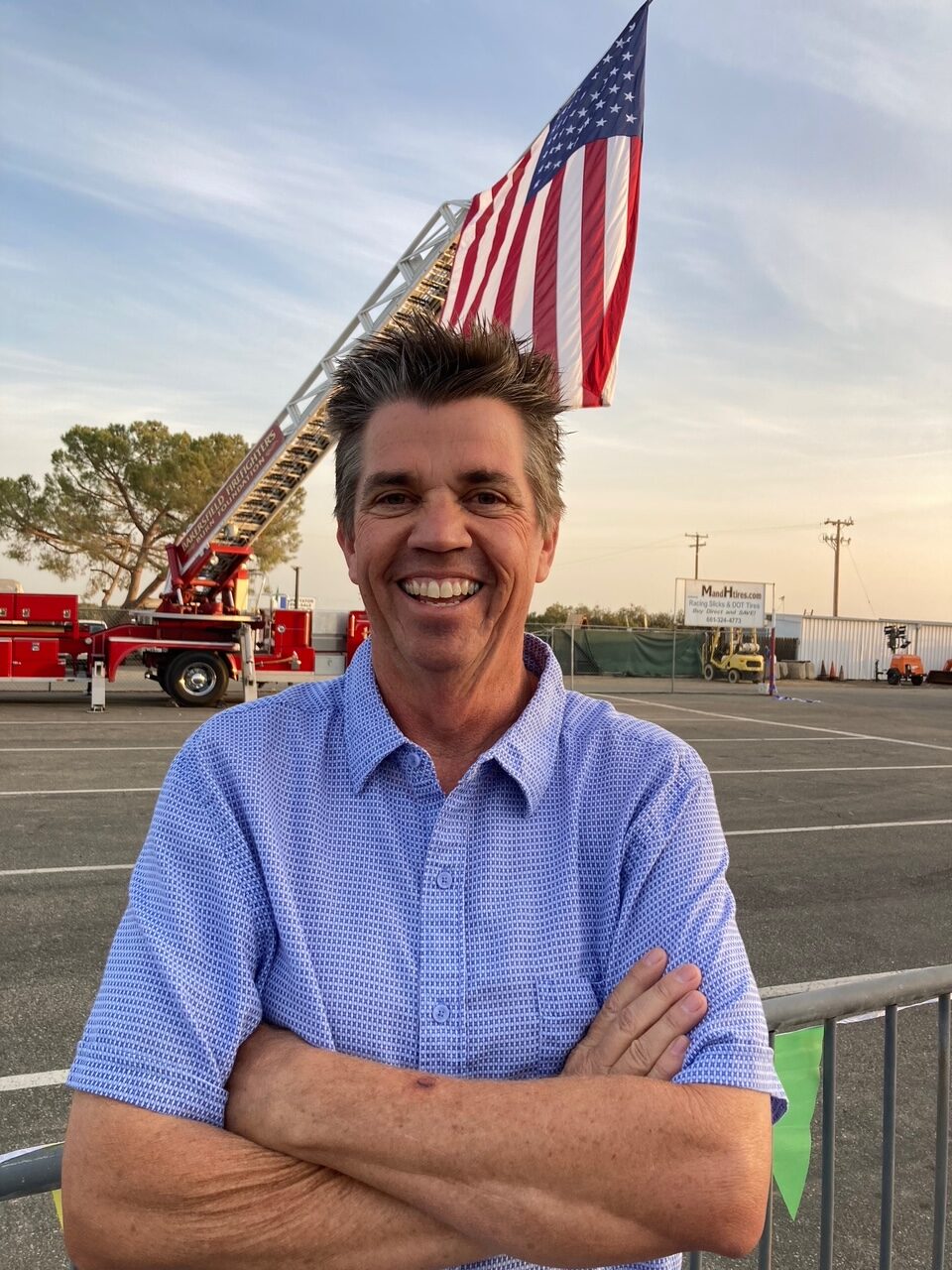
A year ago, Blake Bowser was still rebuilding the California Hot Rod Reunion from the ground up. Now, in just his second full year at the helm, the longtime Famoso Dragstrip operator has achieved what many doubted was possible—the reunion is truly back.
That sentiment wasn’t limited to racers and fans. Hall of Fame journalist Dave Wallace described the 2025 edition as the moment “the California Hot Rod Reunion is BACK,” citing the event’s return to its roots with push-down starts, Nitro Revival’s nighttime cacklefests, and the crowd energy that mirrored its early years at Famoso. The comeback, he said, was a result of collaboration between Bowser, Steve Gibbs, and Cindy Gibbs—three people who had rescued not one, but two major nostalgia drag racing institutions from fading away.
Bowser’s methodical “crawl-walk-run” approach has paid off. The 2025 event drew a crowd that filled the pits and grandstands, recapturing the essence of what made the Reunion special when it debuted under the stewardship of Gibbs and Greg Sharp three decades ago.
“We felt a bit of that comeback last year,” Bowser said. “People left with a good feeling, and this year amplified it. Folks who skipped it last time wish they hadn’t. You could feel it everywhere—you’d just walk through the pits, and everyone was smiling.”
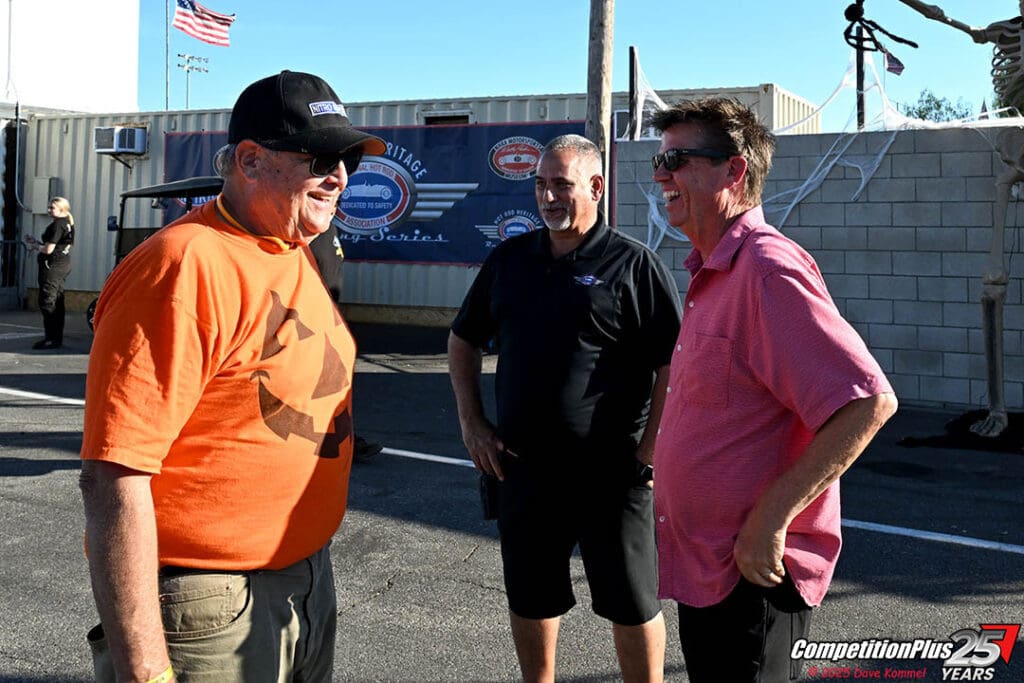
Last weekend carried an unmistakable sense of revival. NHRA President Glen Cromwell even joined Bowser on a Friday walk through the property, greeting fans and racers who lined up to shake hands and offer congratulations.
As Bowser put it, jokingly, “I told Glen, ‘You know I’m paying those guys to say that, right?’ But seriously, I kept thanking him for trusting me to do this. I’d wanted this opportunity for a long time, and getting the green light made all the difference.”
Despite the success, Bowser says he’s far from satisfied. He views the 2025 reunion as another step toward his larger goal: a sustained, measured rebuild that can grow attendance and prestige year over year.
“It’s a good race, but we still have a long way to go,” Bowser said. “The March Meet is much bigger, but that’s been built over decades. I’m confident we’ll get there. I want to grow this event by 20 percent next year, and another 20 percent after that.”
His balancing act between the March Meet and the Reunion is becoming an annual rhythm. The two bookend the NHRA Heritage Series season—March to October—and Bowser sees both as essential to keeping nostalgia drag racing alive and viable.
“Eventually, I’ll be on a teeter-totter between the two,” Bowser said. “One year, maybe the Reunion needs more focus. Another year, the March Meet does. That’s part of the job, and I’m happy to do it.”
The growth of the Reunion also brings an ironic challenge. When asked if he feared the fall event could one day surpass the March Meet in size, Bowser chuckled and quoted the classic line, “I think I hired my own assassin.”
“It’s a good problem to have,” he said. “You don’t want to make an event so big it overshadows another, but we’ve got room to grow without hurting either one. The Reunion reaches a slightly different demographic, and over time that’s shifting younger. That’s healthy for the sport.”
For Bowser, the Reunion’s resurgence isn’t just about numbers—it’s about restoring spirit. The event had lost its identity after NHRA’s 2016 takeover from the Wally Parks NHRA Motorsports Museum, leading to years of decline and disillusionment among nostalgia racers and longtime attendees.
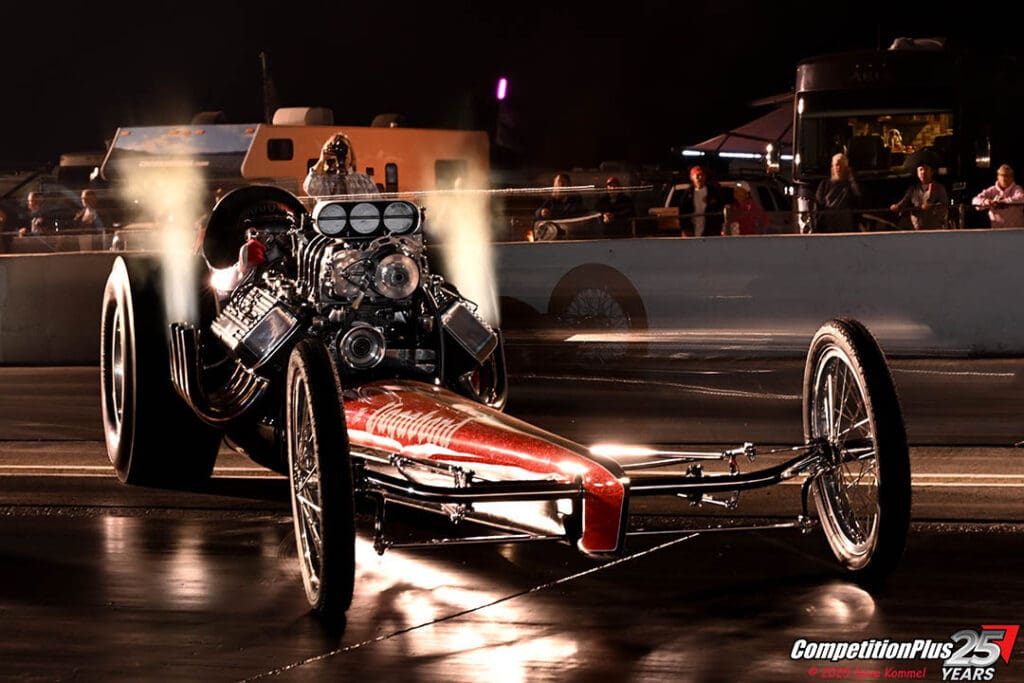
When Gibbs’ Nitro Revival program merged with Bowser’s efforts at Famoso, the effect was immediate. The push-start exhibitions, the after-dark cackle sessions, and the return of familiar faces gave the weekend a heartbeat that had been missing for nearly a decade.
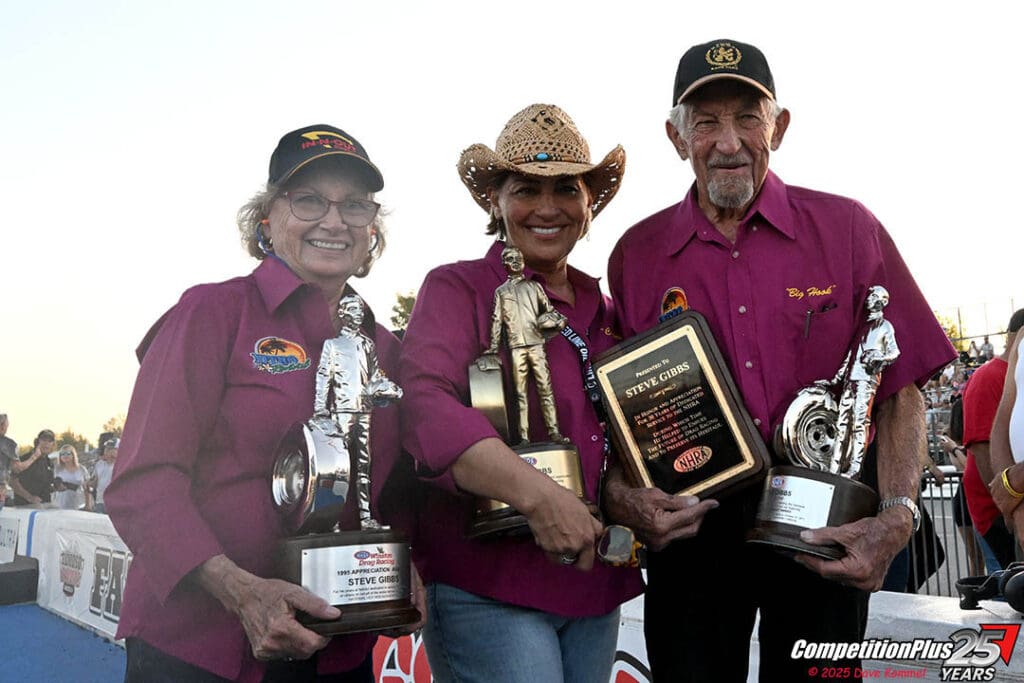
The 2025 Reunion also delivered an emotional high point when Cromwell surprised Gibbs with a set of reproduction Wally trophies, honoring his 46-year NHRA career. The originals had been lost in the devastating 2024 Camarillo wildfire that destroyed the Gibbs’ home and vintage Ford shoebox.
“Glen and his staff recreated every detail from the originals,” Bowser explained. “He presented them to Steve on the starting line Friday night. It was a powerful moment—one of those times when you realize how small and connected this community really is.”
That presentation, witnessed by a full crowd under the Bakersfield lights, symbolized more than recognition—it represented reconciliation. The NHRA president standing beside the man who once walked away from the organization underscored a shared commitment to the sport’s heritage.
“The crowd understood what it meant,” Bowser said. “You could see it in their faces. People were clapping, cheering, some even tearing up. It wasn’t just about a trophy—it was about the respect behind it.”
That moment capped off a weekend Bowser described as both validating and humbling. For a promoter who’s spent decades nurturing nostalgia drag racing at Famoso, it felt like a full-circle achievement.
“It’s been a crawl-walk-run process,” Bowser said. “Last year was crawling, this year we walked. Maybe next year we run.”
Still, he’s mindful of the work ahead. The California Hot Rod Reunion’s future depends on maintaining momentum, attracting a younger audience, and blending tradition with modern fan expectations.
Bowser believes those challenges are worth embracing. “We’re just going to keep riding that teeter-totter—take care of the March Meet, take care of the Reunion, and keep it moving forward,” he said. “We start and end the Heritage Series here. That’s something special.”
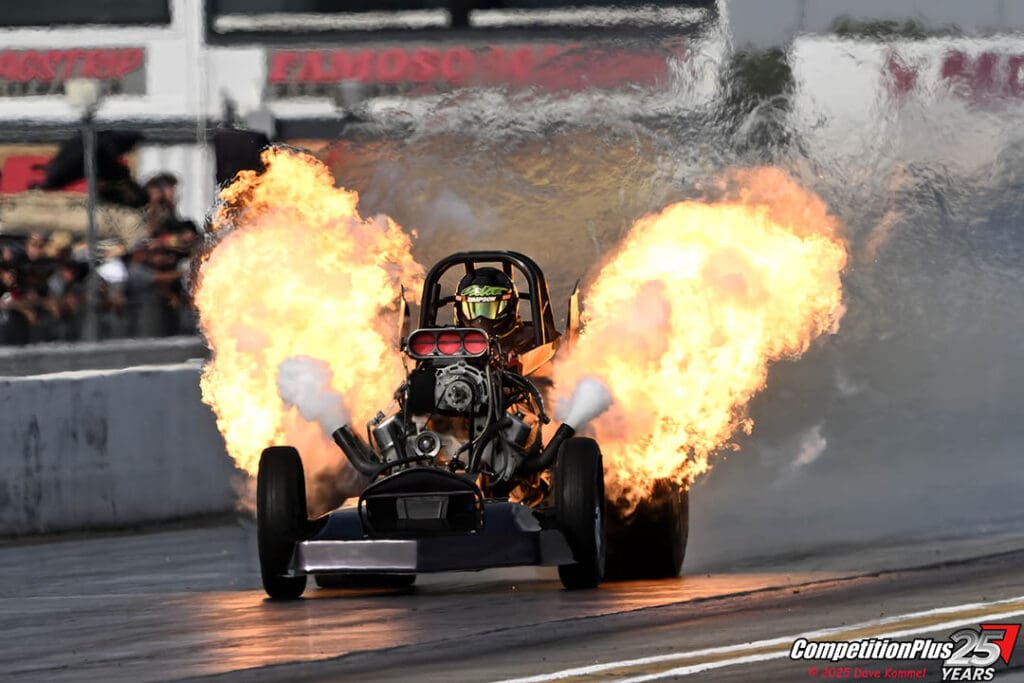
The 2025 event proved the nostalgia movement isn’t just surviving—it’s thriving. The stands were full, the cacklecars roared, and the Famoso air carried the familiar crackle of nitro and camaraderie.
As Wallace noted, “The California Hot Rod Reunion is BACK.” For Bowser, those words are the ultimate reward for a year’s worth of sweat, risk, and belief.