

Larry Carrier was to Wally Parks what Foghorn Leghorn was to the dog in the old Warner Bros. cartoons. If there was an opportunity to needle the NHRA founder, Carrier rarely passed it up.
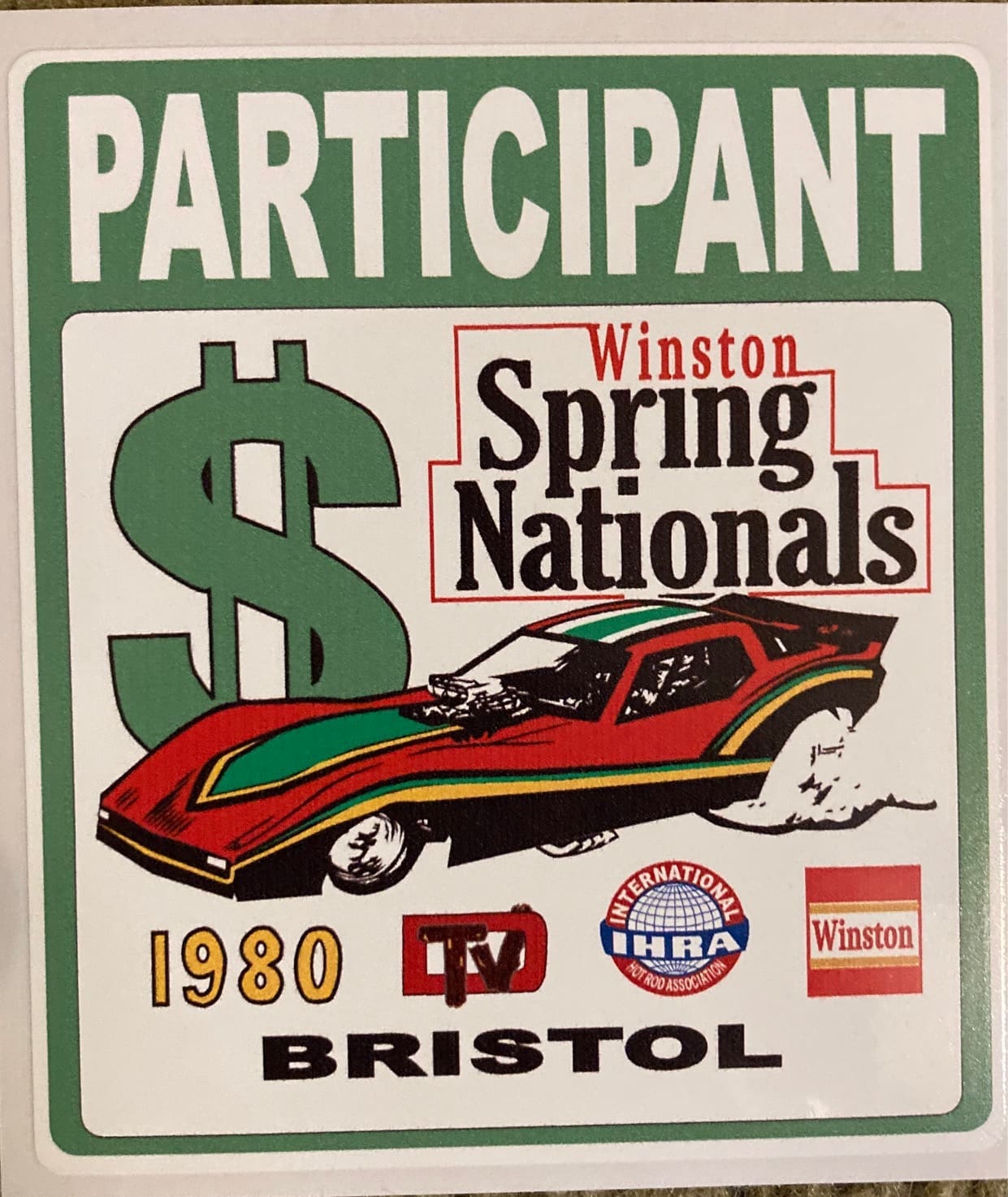
Opinions still vary on what inspired the massive payouts at the IHRA Spring Nationals, which traditionally ran the weekend before Memorial Day and later moved to June.
Carrier’s longtime vice president, Ted Jones, believed the move stemmed from frustration over paying appearance money for an event that seemed destined to battle rain every year.
Others saw it differently.
They believed Carrier used the event as a direct challenge to NHRA, a way to highlight the difference between what his organization paid racers and what they earned elsewhere. Regardless of the motivation, the result was one of the most important financial moments in drag racing history.
Beginning in 1978, the IHRA Spring Nationals offered $20,000 to win in Top Fuel and Funny Car and $10,000 to the Pro Stock winner. Adjusted for inflation, those payouts equate to roughly $75,000 today in the fuel classes and nearly $37,000 in Pro Stock.
Those numbers changed everything.
At the time, NHRA national events generally paid between $4,000 and $5,000 to win in the nitro categories. Divisional races often paid around $1,200, creating situations where racers could make more money skipping points races in favor of match races or special events.
Carrier’s willingness to spend wasn’t surprising considering how his relationship with Parks ended.
“One of the last things Parks said to Carrier [as they parted ways in 1967] was Parks thought that the Bristol Tower was obnoxious,” drag racing historian Bret Kepner recalled. “It was just too big and too overwhelming and too stupid. ‘That tower is going to be a monument to your failure.’
“And every Christmas, Carrier sent Wally a picture of the tower with this thing that said, ‘Merry Christmas, still standing.’”
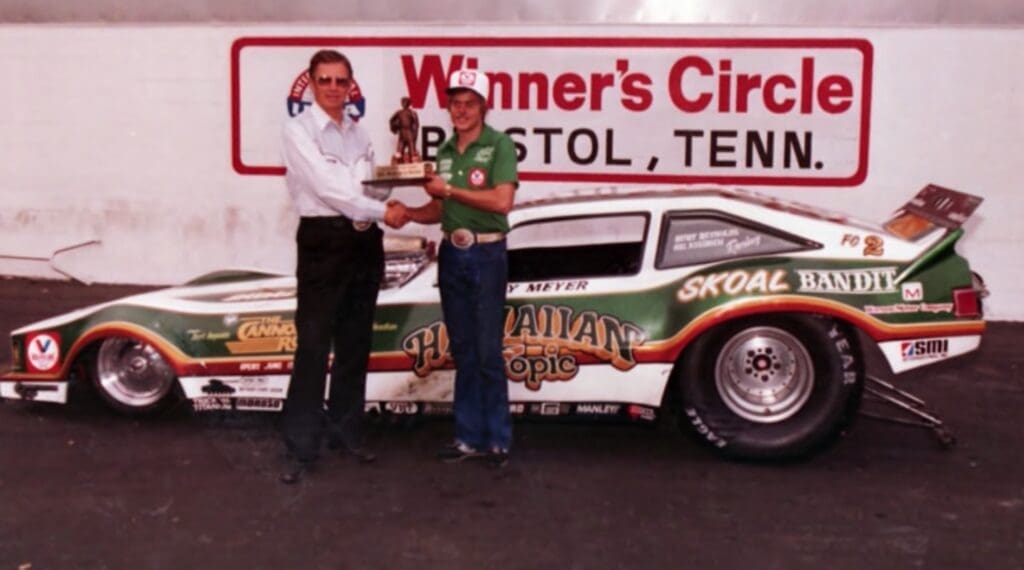
If anyone owed Carrier a thank-you card, it might have been Funny Car racer Billy Meyer.
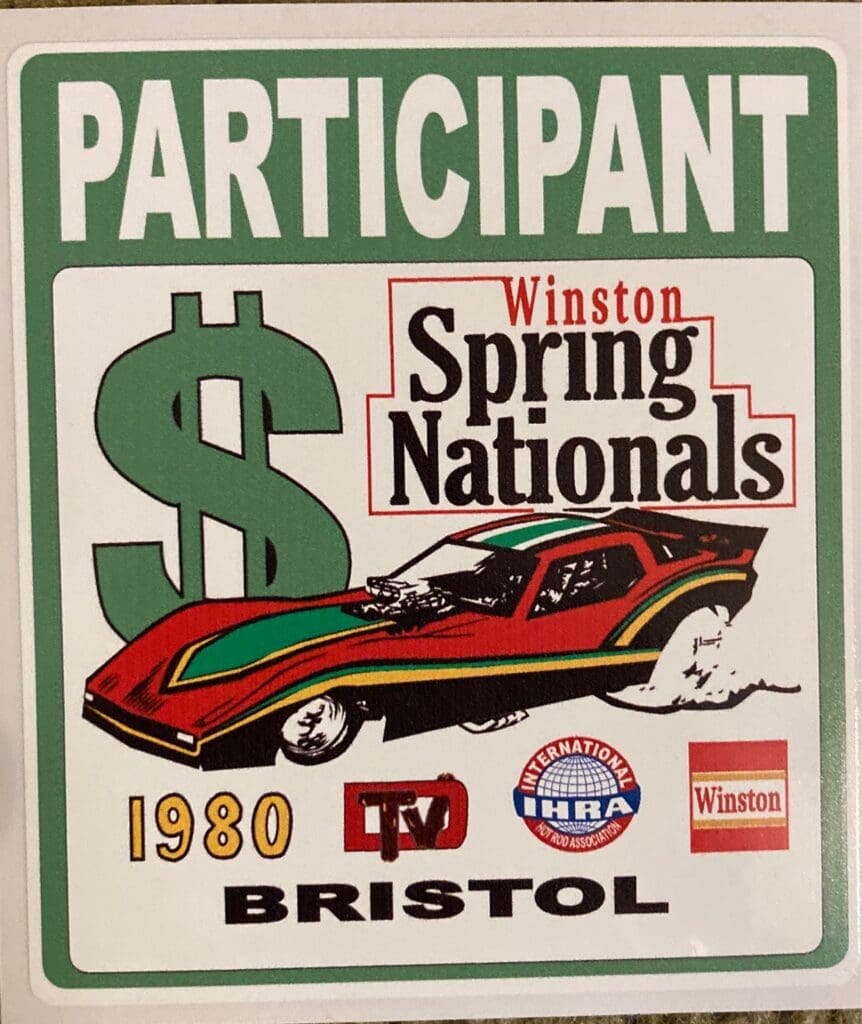
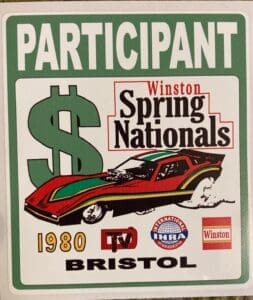
Meyer won the 1980 event by defeating Roy Harris and reached the final round in each of the next four Spring Nationals. He won two of those finals and made the Bristol payday a regular part of his business plan.
“That payday was a third of what I had in total sponsor money,” Meyer admitted. “For the first two years, when I made it to the final, I went and asked the other team if they wanted to split [the money], and they declined. I kind of always figured those winnings into my receivables list before the season started.”
Warren Johnson tells a similar story.
Long before becoming one of the most dominant Pro Stock racers in NHRA history, Johnson learned how to survive financially racing in the IHRA. The Spring Nationals became one of the races that helped keep his operation afloat.
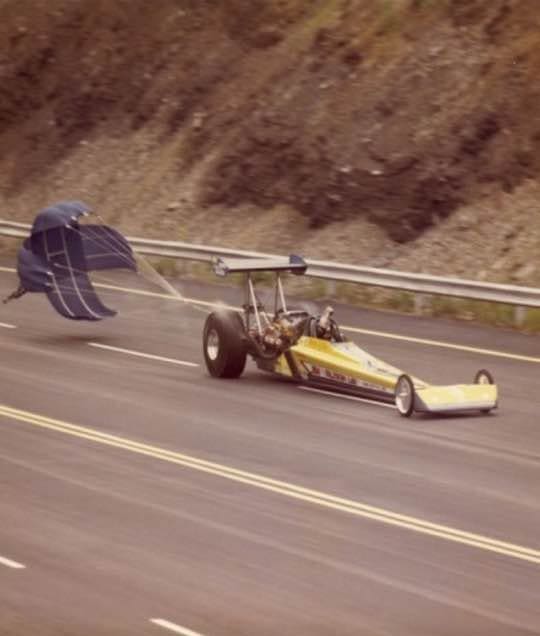
Johnson won the 1979 event in the early hours of Monday morning after weather delays pushed eliminations deep into the night. At the time, he believed his racing career was over.
He was broke, discouraged and announced his retirement after the victory.
A funny thing happened on the way to retirement.
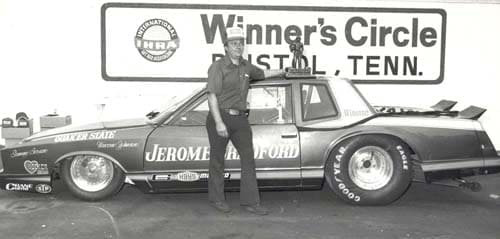
Johnson partnered with Buford, Ga., contractor Jerome Bradford and returned to competition. Together they collected the first two Bristol Pro Stock paydays and helped establish Johnson as one of the sport’s future stars.
In those days, IHRA Pro Stock racers were often viewed as second-tier competitors compared to their NHRA counterparts. Johnson never accepted that distinction.
“I never looked at it as any kind of an egotistical thing or comparison to one, the other,” Johnson said. “I raced for a living. I came from dire poverty, and I wasn’t going back. So I’m probably the only Pro Stock racer that, other than maybe Glidden, that actually made a profit racing because that’s the way I set my business up. If I lose money any year racing, I quit that year. It was strictly a business to me.
“So it was incumbent upon our team, myself, our team, to win those kind of races because that’s the stuff that paid the bills. Although Bradford didn’t care if I kept the money.”
The event’s significance extended beyond the payout window.
By 1983, the Spring Nationals had grown into one of drag racing’s premier events. A regional Mizlou Television Network broadcast brought the race into living rooms across America, giving the event a visibility few drag races enjoyed at the time.
For much of the early 1980s, the Spring Nationals stood as the crown jewel of the IHRA schedule.
The race maintained that stature through 1985, the final season of Winston’s involvement in IHRA Championship Drag Racing. Afterward, the event gradually lost some of its shine, becoming another stop on the schedule rather than the destination race it once was.
Eventually, Thunder Valley left the IHRA and joined the NHRA schedule.
For one remarkable stretch, however, Larry Carrier’s Bristol showcase wasn’t just another race. It was the race where drag racers could earn the kind of money that changed a season, saved a business and occasionally launched a Hall of Fame career.












STEVE EARWOOD: WHY IHRA’S BIGGEST CHALLENGE WASN’T PASSION, IT WAS THE BUSINESS OF DRAG RACING