
“Stuck in the staging lanes and waiting for the rain to clear is probably a suitable metaphor for where Australian drag racing is at the moment.”
When CompetitionPlus.com published those words during the COVID-19 pandemic in 2020, Australian drag racing faced empty grandstands, shuttered tracks and an uncertain future.
Six years later, the view from the staging lanes is considerably different.
The 400 Thunder era has given way to the National Drag Racing Championship, bringing new leadership and renewed optimism to a sport that survived one of the most turbulent periods in its history.
But survival was only the first step.
What will Australian drag racing look like in 2030?
CompetitionPlus.com put that question, along with some of the sport’s most pressing issues, to five major figures and a respected industry voice. Their answers offer different views on where the sport is headed and what must happen to get there.
Part One begins with a man who has seen just about everything Australian drag racing can throw at him.
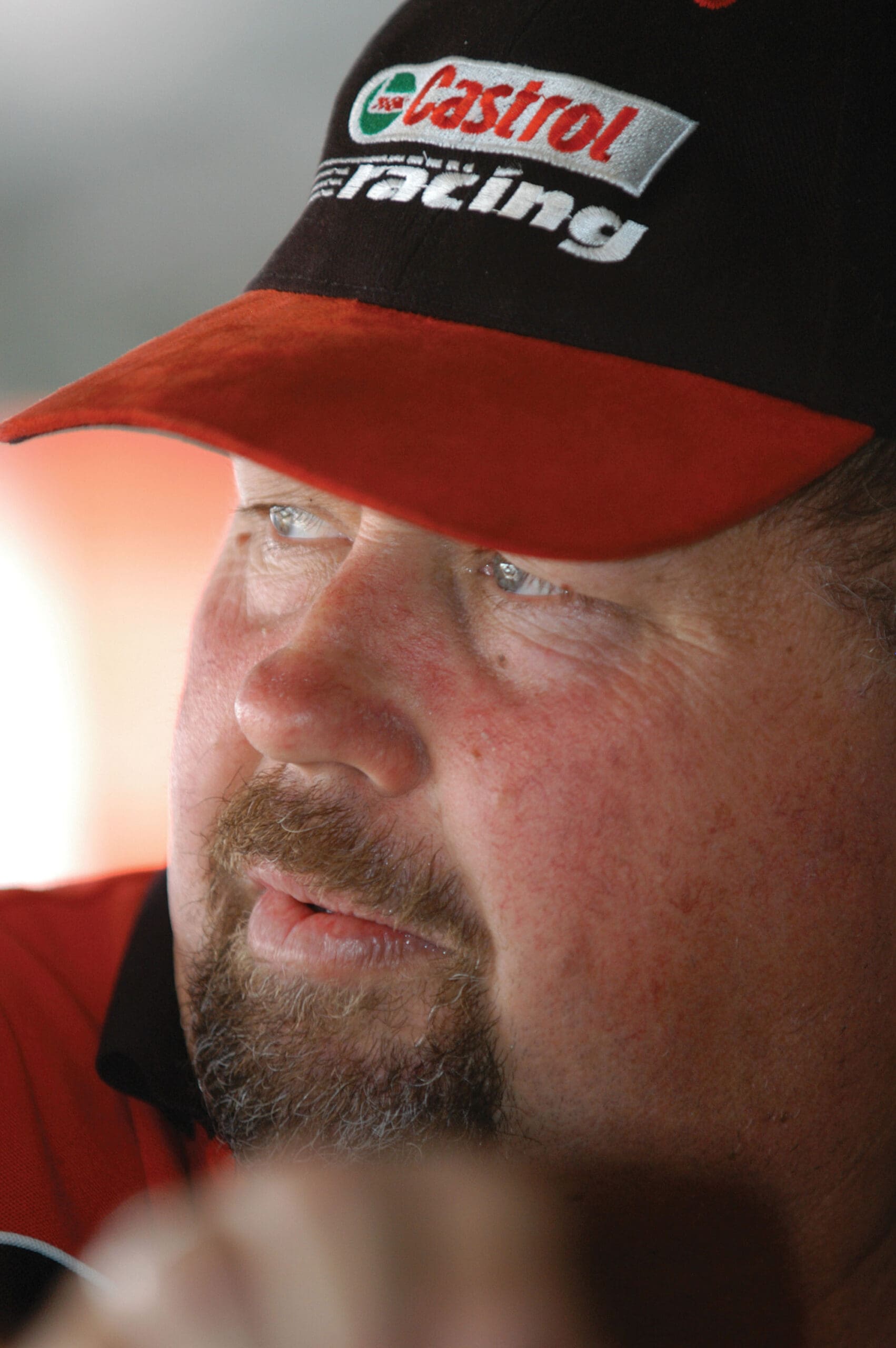
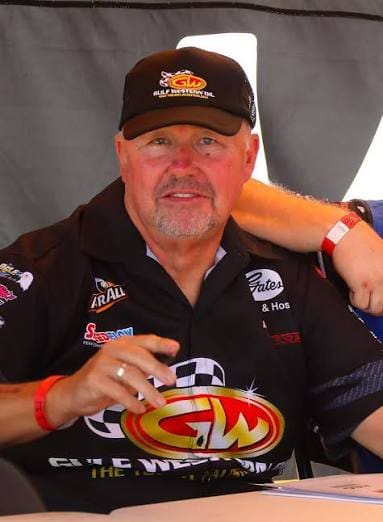
Victor Bray.
To the casual follower of drag racing in Australia, Victor Bray is Mr. Drag Racing.
The one-time tomato grower became to Australian drag racing what John Force became to the NHRA in America.
A legend.
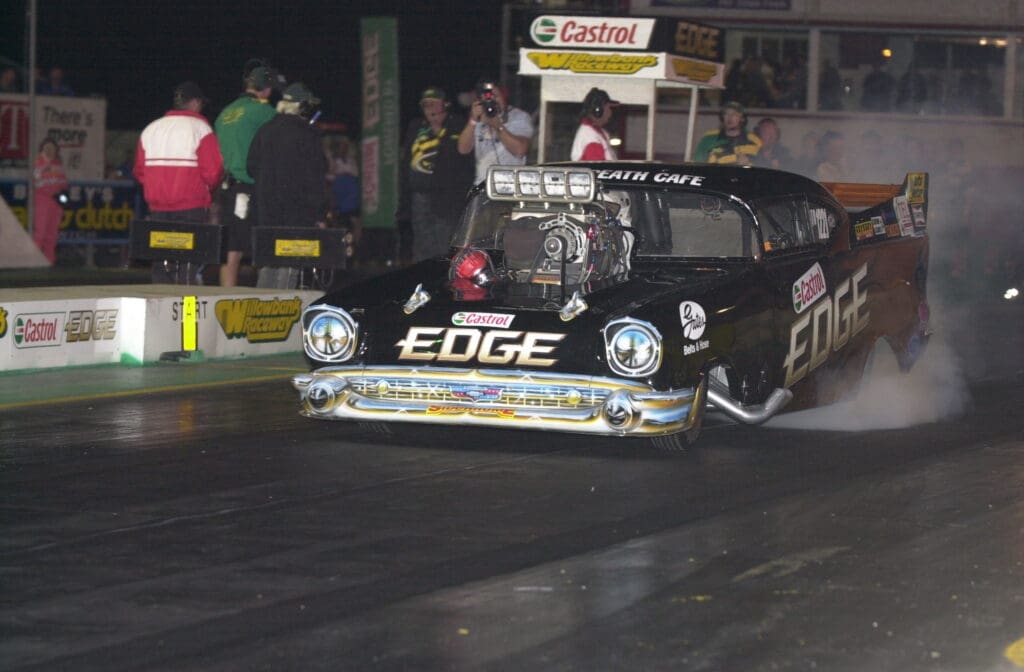
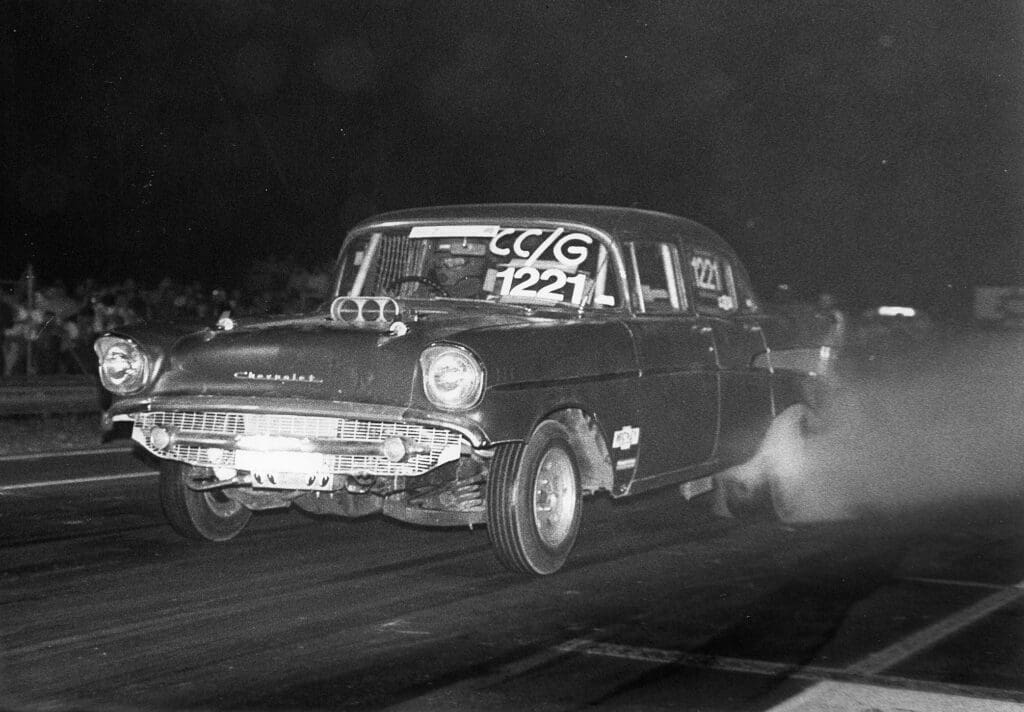
Bray began racing in 1982 behind the wheel of a ’57 Chevy. Five years later, he graduated to racing in the Wild Bunch series, the precursor to Top Doorslammer.
A six-time Australian champion, Bray turned the Willowbank Winternationals into his personal playground, stacking up five victories.
Then came 2017.
A skin cancer diagnosis forced the King of Doorslammer into an unexpected exile, but legends don’t fade quietly.
In 2018, at the Winternationals, Bray returned. Not with a record pass or a championship charge, but with something far more powerful.
He trundled down the quarter-mile in his beloved ’57 Chevy, a slow, emotional lap that brought the entire venue to its feet.
Bray has seen every era of Australian drag racing: the chaos, the growth, the politics and the passion. Few are better placed to judge where Pro Slammer stands today and where it needs to go next.
CPA – Doorslammer has a five-round championship season. Would you like more events, the same or fewer?
VB – I think you need more than five to make a good championship. It’s a shame that we’re not getting more rounds on the East Coast. There should be two in Sydney, two at Willowbank, two at The Bend in South Australia, then one in Perth, Darwin and Victoria, hopefully next season.
You can’t go to Perth or Darwin, which are on opposite sides of the country, twice because of the travel expenses and the cost of fuel to get there.
CPA – In 2023, IHRA Australia decided to penalize door cars that exceeded 260 mph with penalties that included disqualification and suspension. Then, in March this year, it reversed the decision. Was that a good decision or a knee-jerk reaction?
VB – The guys that are doing 260 or thereabouts want to go for it. It’s their choice. Anything that happens at those speeds is not going to be great. There’s not a lot of cars that do it and the turbo cars can do it standing on their heads.
They haven’t stopped Funny Cars or Top Fuel that run over 325 miles an hour, so why should we stop Doorslammer?
CPA – In Australia, Doorslammer still runs the traditional quarter-mile race distance. Do you think going to 1,000 feet would be safer and perhaps attract more cars?
VB – Top Fuel and Nitro Funny Cars don’t run a thousand feet for fun. They run that distance for safety reasons and when they cut back to 1,000 feet, the speeds caught up quickly.
So, for the Doorslammer guys who are doing 260, if you drop back to a thousand feet, give them a year or so and they’ll be going 260 again. It’s up to the racers. I don’t think they should limit it, but we should keep an eye on it.
CPA – The Aussie dollar has been on a roller-coaster ride from around 59 cents to 70 cents against the greenback. How critical is the value of the dollar to the affordability of racing in Australia?
VB – It depends. For some teams it makes a lot of difference. When the dollar was 63 to 65 cents for a few years, it had a major impact and kept people from racing.
But there’s a lot of people who have money and it probably doesn’t affect them much. It’s good if the dollar creeps up a little so that the guys that struggle a bit to afford parts can get the good gear and go out there racing.
CPA – Your sponsorship with Castrol Oil began in the 1980s and even today serves as a blueprint for teams chasing the elusive sponsorship dollar. What’s the secret to not only landing a sponsor but, just as importantly, keeping it coming back year after year?
VB – I think you have to spread your wings a little bit outside of the drag racing world and do a lot of extra stuff away from the track, including making time to do corporate appearances.
You have to go and do things, like visiting their factories, their outlets, or whatever when you’re in town. A lot of people just don’t want to do it, but if you’re not prepared to put in the effort, you’re not going to get and keep the big sponsors.
If we raced in Sydney, we would do five or so promotional activities. You didn’t just go to motorsport stuff. We spoke at Rotary clubs, hospitals, schools, you name it. We took the car everywhere.
The days of slapping a decal on your car in exchange for the sponsorship dollar are long gone. You’ve got to work harder. I worked my ass off for Castrol and even after all the years, the ’57 Chevy and the Victor Bray name are still linked with Castrol.
CPA – Prize money is an ongoing issue not only for Slammers but across all drag racing classes. The saying is if you’re in Pro Slammer for the prize money, you’re in it for the wrong reasons. How important is prize money to teams?
VB – I think prize money is important, especially when the dollar was strong and the money meant you could buy a lot more with it. Fuel was also a lot cheaper back then and the tow money that we used to get did matter.
Prize money is an incentive for those guys running on tight budgets. I don’t think it’s ever going to reach the level that it should be. But you never know.

CPA – From the outside, it looks like the promotion of the sport focuses almost entirely on the event and car side, with the emphasis on the noise, power and speed, while the drivers and personalities are afforded less recognition. Is this a fair call or a bit harsh?
VB – I think the sport should focus more on the drivers. We’ve got a diverse range of personalities who have interesting stories to tell, but the drivers and teams also need to work on promoting themselves.
A lot are busy running their businesses and I understand that’s more important than being famous.
CPA – Is there a place for electric cars in drag racing?
VB – No. I don’t want to start a class war, but if someone wants to come and do a demo run, then go for it, but there is no race category for electric cars. The cars are powerful but too quiet.
Drag racing is about lightning, thunder and noise.
CPA – The date is Jan. 1, 2030. What does the upcoming season look like for Aussie drag racing?
VB – I think the return of drag racing to the state of Victoria is going to be very successful and a real shot in the arm for the sport. We will also have races in every capital city and territory and that’s something we have been dreaming about for a long time.
It would be great if there was a single naming-rights company for the series, like the NHRA, and it was committed for more than one or two years.