“Stuck in the staging lanes and waiting for the rain to clear is probably a suitable metaphor for where Australian drag racing is at the moment.”
When CompetitionPlus.com published those words during the COVID-19 pandemic in 2020, Australian drag racing faced empty grandstands, shuttered tracks and an uncertain future.
Six years later, the view from the staging lanes is considerably different.
The 400 Thunder era has given way to the National Drag Racing Championship, bringing new leadership and renewed optimism to a sport that survived one of the most turbulent periods in its history.
But survival was only the first step.
What will Australian drag racing look like in 2030?
CompetitionPlus.com put that question, along with some of the sport’s most pressing issues, to five major figures and a respected industry voice. Their answers offer different views on where the sport is headed and what must happen to get there.
Part Two continues with Pro Stock’s leading legend, who brings a racer and engine builder perspective – Peter Ridgeway.
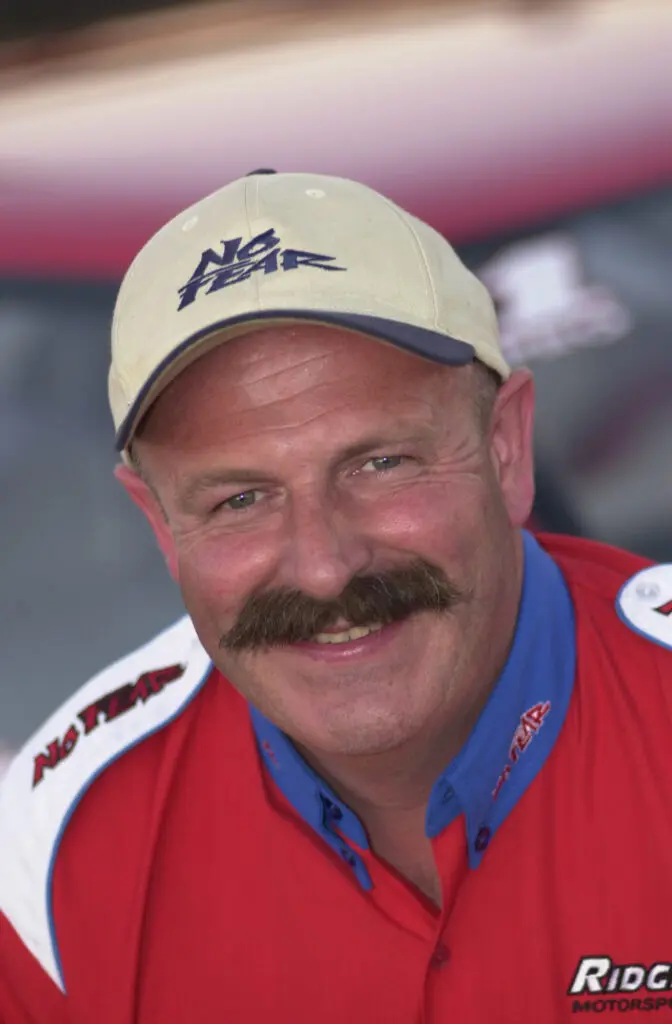
Peter Ridgway is one of the most decorated Pro Stock figures in Australia.
His record in the naturally aspirated category speaks for itself. A four-time ANDRA champion, Ridgway made his debut in 1994. The following year, he won his maiden Australian title at a time when Pro Stock was a boom category with a 10-round championship season.
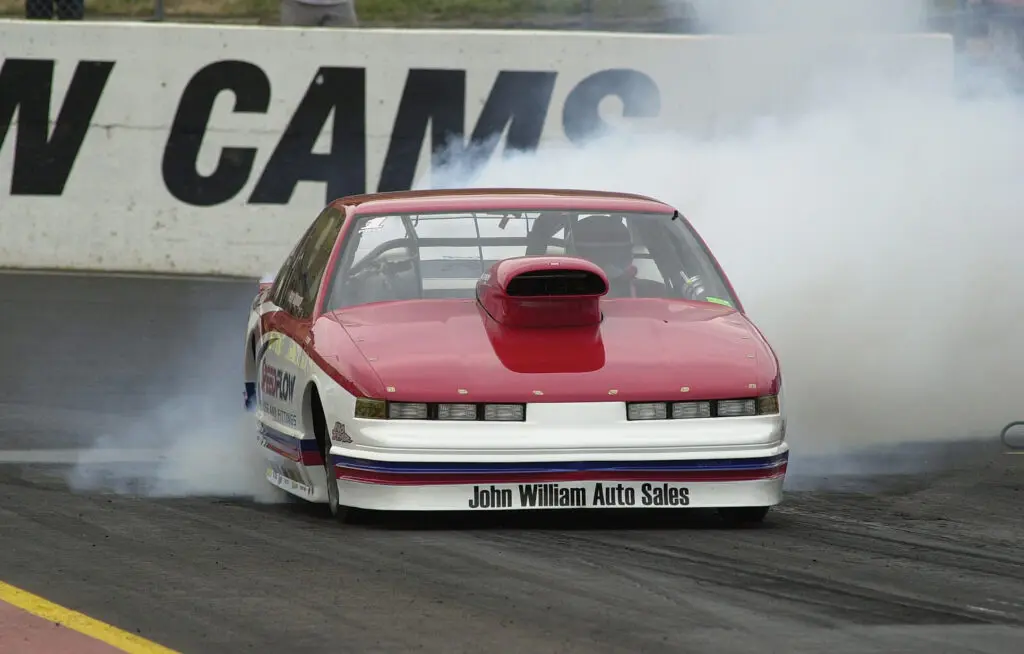
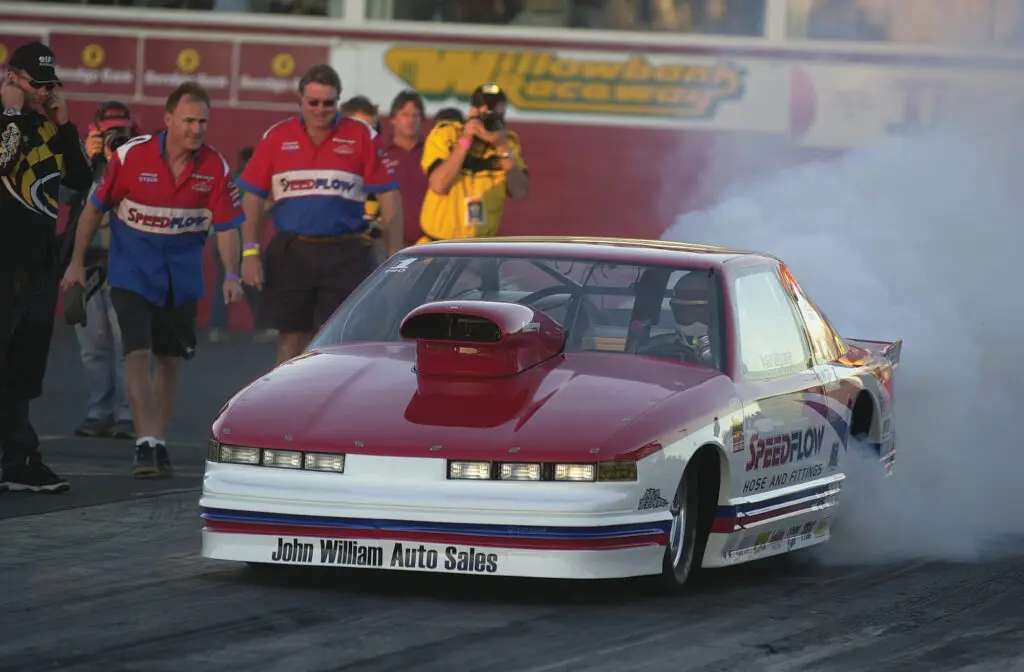
That same year, he secured his place in the history books when he made the first seven-second Pro Stock pass in Australia.
It would take another 17 years for the next milestone to arrive. In May 2012, at Sydney Dragway’s Nitro Champs, Ridgway made history again, recording Australia’s first sub-seven-second Pro Stock pass with a 6.99 at 194 mph.
To this day, Ridgway remains a major player in shaping the future of the category as one of the country’s most respected engine builders and tuners, a craftsman whose fingerprints can be found on some of the quickest naturally aspirated cars in the nation.
CPA – There are five rounds for Pro Stock this season. Would you prefer more, the same or fewer?
PR – I think in the current economic climate my number ideally would be five or six. Five is fine because there’s no major sponsors for the category and at this stage everyone’s running out of their wallet and their back pocket.
CPA – Car counts are problematic. What can be done to attract more teams?
PR – I think behind the scenes there’s a lot of cars sitting around that you’re going to see come out in the next 12 months, so I think we’re probably going to be as strong, if not the strongest, we’ve ever been. The introduction of the fuel injection option is going to help and bring some new blood.
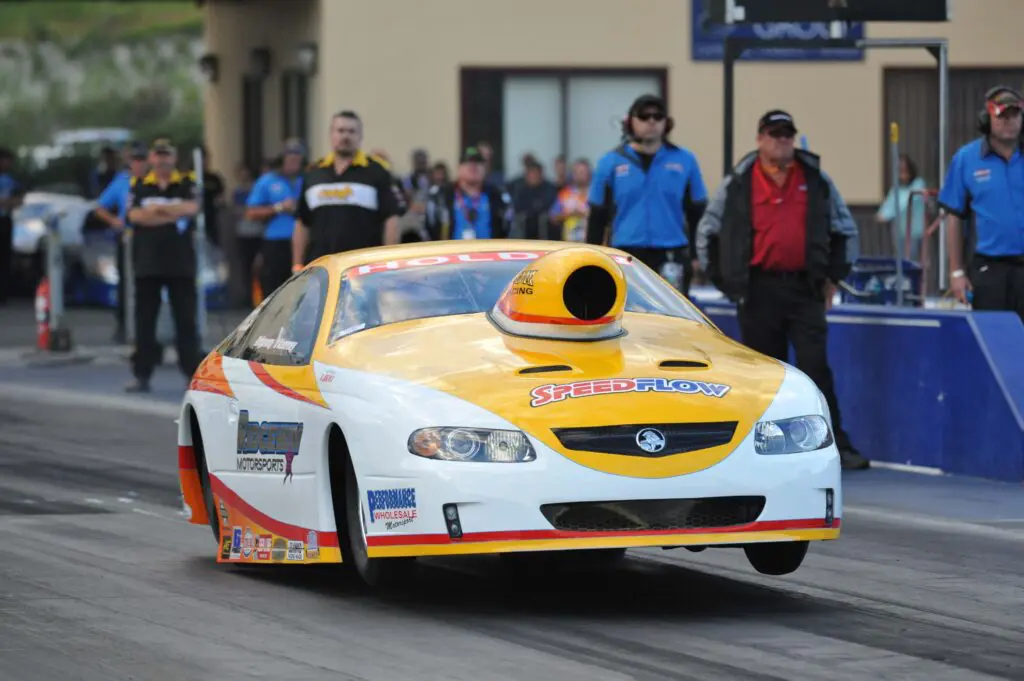
We’re also going to stay with the hood scoop because it identifies that it’s a Pro Stock car.
CPA – Australian Pro Stock has been dominated by American body styles for decades. Should the category be opened to Japanese, Korean or even Chinese body styles?
PR – No. I think the issue there is that Honda, Mazda and Nissan and other brands are highly identified with the Sport Compact scene in Australia, which has its own following, stand-alone series and identity, and those brands have made their own mark in the Australian drag racing landscape.
CPA – The Aussie dollar has been on a roller-coaster ride from 59 cents to 70 cents against the greenback. How critical is the value of the dollar to the affordability of racing in Australia?
PR – It is a factor. Seventy cents is doable. As you get towards 60, it becomes undoable. If we can hover in the low 70s or high 60s or better, we’re in a position that we’ve been accustomed to, and we accept that’s what racing is going to cost.
Hence, it’s another reason five or six rounds is probably the number that keeps costs down.
CPA – Pro Stock has a standalone NDRC meeting coming up later this year. Are you confident the category can carry it on its own without another Group One category around it?
PR – Only time will tell, but these meetings historically have been non-money-making meetings and attracted low crowd numbers. So, it’ll be interesting.
I don’t think we’re going to pack the rafters, but I think we can pay our way, put on a good show and hopefully put bums on the seats.
CPA – Is the introduction of fuel injection taking Pro Stock in the right direction?
PR – Absolutely, but as a choice. We don’t want to make it compulsory, but if you want to try it and that encourages some young people who don’t know what a carburettor is to have a go at Pro Stock, then that’s a positive.
CPA – Could you run a carburetor and a fuel-injected car against each other, or would there be a parity issue?
PR – There’s no parity problem. We’ll still be at the same weight break. We want to keep everything on the same level so there’s no restriction on a carburetor or fuel-injected car, and it’ll be open slather and run what you’ve brung.
We’ve also appointed John Barbagallo, who’s a very well-known racer and engine guy from Queensland, as our technical officer. He will collaborate with myself and Joe Polito from Sydney on the introduction of EFI.
CPA – The date is Jan. 1, 2030. What does the upcoming season look like for Pro Stock?
PR – Performance-wise, we’re doing good. There are more fuel injection cars coming online and hopefully there are more women coming into the sport.
On a side note, I am involved in the training process of getting Gina Bullens up to speed and I think she’s going to open the door to a lot of other women coming into not only Pro Stock but the sport in general. Realistically, there’s nothing in these cars that is physically demanding enough where you need a male in there.
Women are more flexible in my opinion than a male and their reaction times are very, very good. They’re not as technically minded so they can concentrate more on the driving side.
I think it’s a great thing and an absolute necessity going forward, and I’m happy to be part of it.