


The competitors with the most invested in the IHRA’s return aren’t the ones questioning its future.
Those racers CompetitionPlus.com spoke with after the organization announced a revised 2026 schedule admitted the decision caught them off guard. But instead of questioning the future, they pointed to something else they believe is the bigger issue.
The loudest criticism surrounding the IHRA’s reset, they say, is coming from people with no skin in the game.
For the racers hauling race cars across the country, chasing championships and collecting the purses the IHRA promised, the disappointment was real. They say they are okay with the organization making a difficult decision if it prevents making a bigger mistake later.
The IHRA announced last week it had removed its scheduled events at Milan Dragway, Empire Dragway, Darana-Heartland Motorsports Park and Atlanta Dragway from the remainder of the 2026 schedule. The revised calendar leaves only two Outlaw Nitro Series points races, at Dragway 42 in West Salem, Ohio, and the season finale at Darana Motorsports Park in Benson, N.C., to determine this year’s champions. At the same time, the Triple Crown events remain intact because they do not award championship points.
There isn’t much margin left anymore. Two points races will now decide championships that teams expected to chase across six weekends.
IHRA officials said the decision to cancel events stemmed from ongoing construction and facility improvements that could not be completed in time to meet the organization’s standards for safety, professionalism and fan experience. Rather than continue postponing decisions or opening facilities before they were ready, the organization chose to reset the schedule and continue building for the future.
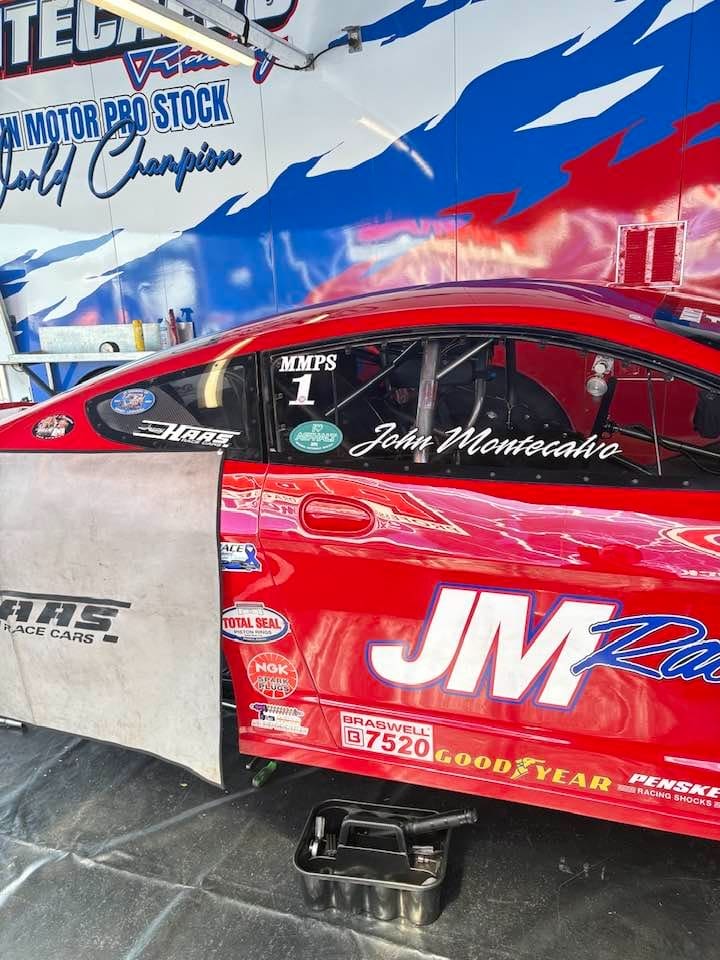
Former IHRA Mountain Motor Pro Stock world champion John Montecalvo said the reasoning made sense..
“Obviously it came as a shock, but I can understand the reasoning behind it,” Montecalvo said. “And in the end, I think it’s a good thing, because I think things were just happening too fast.”
Montecalvo has been there since the series returned, and as a longtime racer has studied their approach. This experience has shaped how he views both the announcement and the reaction that followed.
“I think Darryl needs to step back a bit, catch his breath,” Montecalvo said. “And I have a lot of faith in that man. He’s done everything he said he was going to do up until this point. We get paid when we’re supposed to get paid. Everything runs very smoothly. We’ve been treated very well. And I got to go by his slogan. His slogan is make it happen and I still believe he’s going to make it happen.”
Montecalvo said what frustrates him most isn’t the disappointment surrounding the shortened schedule. It’s where he believes much of the criticism is coming from.
“The way I look at it, the negative comments are made mainly by people that have never experienced the IHRA, and that’s the part that really annoys me,” Montecalvo said. “That disturbs me more than anything.”
“If anybody who’s been there, anybody who’s raced there, whether it’d be a racer or a spectator, they’re overjoyed the way we’re treated as a fan and as a racer. So the comments that are made on Facebook, they’re just counterproductive and it disturbs me. There’s no doubt that it disturbs me. And if I was the owner and I was reading them, it would have to disturb me also. Hopefully, he doesn’t read that garbage.”
Those feelings surfaced repeatedly in CompetitionPlus.com’s conversations with various racers. While each expressed disappointment over fewer racing opportunities but remained confident in the people leading the organization.
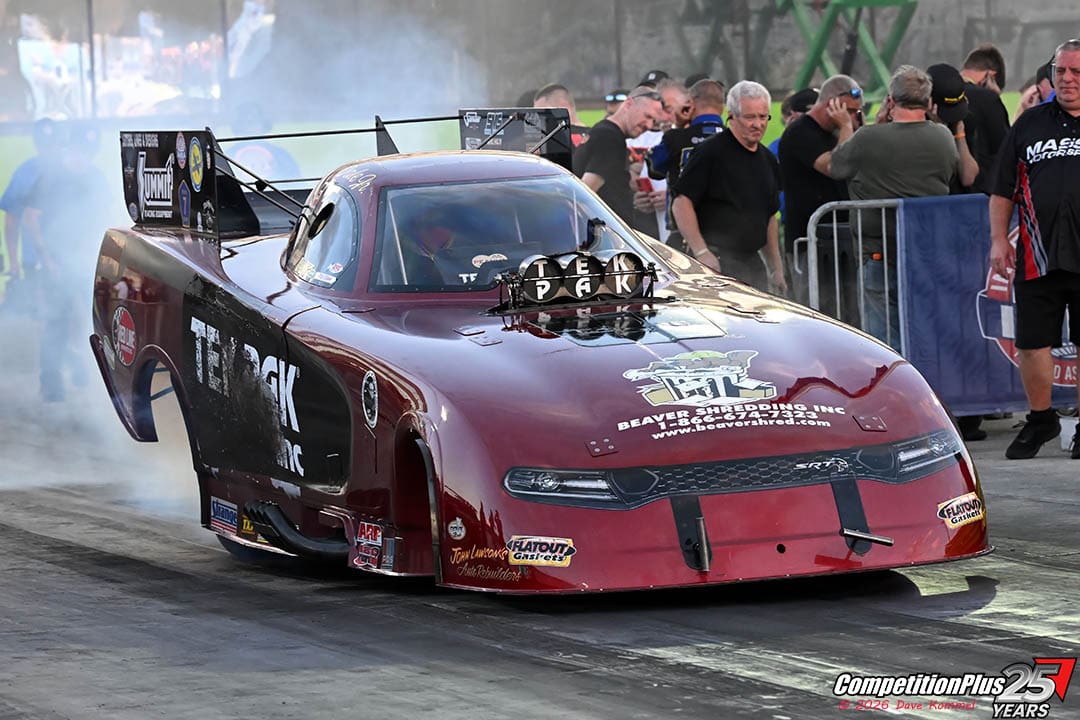
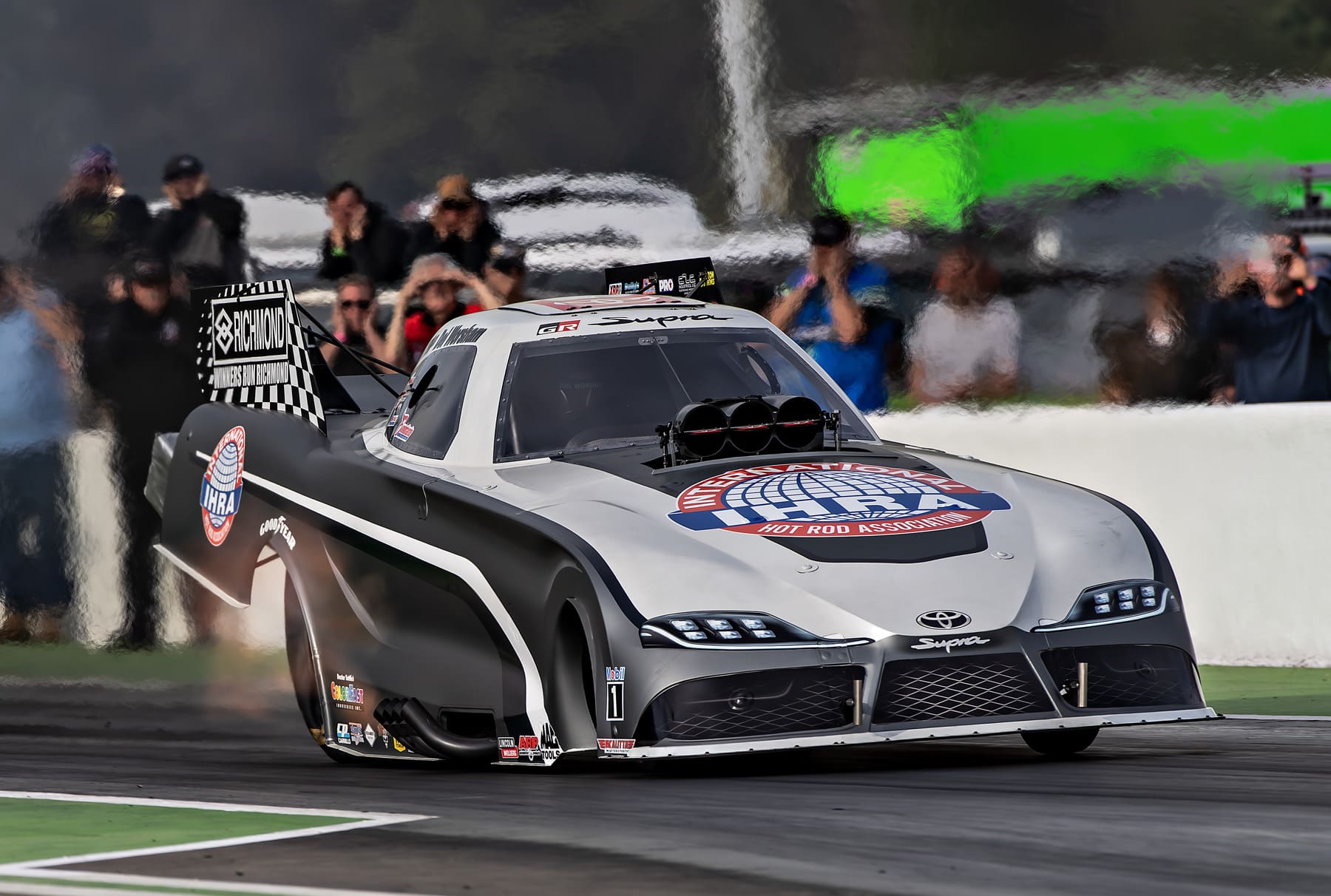
Former IHRA Funny Car champion Del Worsham has been one of the series’ strongest supporters since its return, reaching the final round in all but one event. His reaction followed much the same path as Montecalvo’s.
“I was definitely disappointed,” Worsham said. “Won Milan last year, it’s a great track. I was looking forward to get back to Rochester, which I haven’t raced there since 1992. So, I still look forward to going back there in the future and racing those tracks again.”
The disappointment, however, never changed his commitment to the organization.
“I committed to racing to IHRA at the beginning of the season to myself and my family and my crew,” Worsham said. “So, it doesn’t really change that. It doesn’t make me feel like, ‘Hey, I’m not going to go to the next race,’ or this or that.”
“I support them in everything that they’ve done and what I think that they’re trying to build here. If this is part of the growing process, this is what we have to do in the beginning, then I’ll just do what I got to do.”
For Worsham, confidence isn’t built on promises. It’s built on what he’s witnessed since the IHRA announced its return.
“They’ve always done what they told me they’re going to do,” Worsham said. “If they tell me this is what they have to do right now, then that’s how, then so be it.
“When they came out back a year ago when they announced plans and what they’re going to do, they’ve come true and they’ve done everything they said they’re going to do so far. I have no reason to think that they won’t continue and do what they’re saying they’re going to do at this point.”

Worsham also feels racers understand what is at stake beyond a shortened schedule. For many teams, the IHRA has created opportunities that simply didn’t exist before the series returned.
“I think that, so far to this point, they’ve announced these purses, and had these races, and paid us out the money that they said they would do,” Worsham said. “Which it’s probably got people racing and put them in positions that they never thought they’d be in.
“I don’t think any of us have any reason to doubt them at this point on continuing and doing what they told us that they’re going to do.”
Two-time IHRA Funny Car champion Dale Creasy Jr. reached much the same conclusion, even though his team had been preparing to return to eighth-mile competition before learning the schedule had changed.
“I’m just a little bit disappointed because we were ready to go, going back to eighth-mile where we’ve been doing pretty well,” Creasy said. “But there has got to be a reason, or he wouldn’t have pulled something like that.”
Creasy said his confidence in the organization wasn’t built overnight. It comes from dealing directly with the people who have brought the IHRA back to life.
“I think so,” Creasy said when asked whether racers need to trust leadership that has created opportunities they otherwise wouldn’t have. “I mean, the people, Larry Morgan, Doug Foley Jr., Dale, they’ve always been straight with me. So without them, we probably wouldn’t be racing here as much as we are. So I appreciate everything they’re doing.”
Creasy said the organization had simply reached a point where it had to slow its pace before continuing to grow.
“I think what happened is that so much went on in such a short period of time that they had to hit the brakes and just go forward with what they could do right now,” Creasy said.
“I don’t know the reason, I asked and they just said that was Darryl’s decision, but he’s been so good to us, I have to trust his judgment.”
Pro Modified standout Jason Harris offered perhaps the most balanced perspective of anyone CompetitionPlus.com interviewed.
Like the others, Harris admitted the announcement caught him by surprise. He also acknowledged the unexpected break would allow him to spend time with his family after an intense stretch of racing.
“Definitely caught me off guard,” Harris said. “I didn’t really see it coming, but truthfully, a little bit of relief, man.”
“I was planning to make a short vacation with my family and then we’re going to have to get back in the truck and go right back to Milan. And it was a relief to me just because I knew it was going to free up some time to spend some time with my family.”
Harris relayed the organization could have done a better job explaining its decision.
“I think there needs to be a little more transparency when it comes to what their plans are and what they’re doing,” Harris said. “I think sometimes the way they release what’s going on is not as transparent as maybe the real truth.”

Even with that criticism, Harris believes the revised schedule is part of the reality of rebuilding a national series.
“I think originally it was the idea of race as much as you can, as many times as you can, just because they wanted to get started and get out there,” Harris said. “And I think once they got involved in the racing that they realized that that’s not necessarily the case.
“You’re better off having 10 good events than you are 15 so-sos.”
Harris feels the storm will subside once racing resumes in August.
“So far to this point, they’ve announced these purses, and had these races, and paid us out the money that they said they would do,” Harris said. “I don’t think any of us have any reason to doubt them at this point on continuing and doing what they told us that they’re going to do. They came out a couple weeks ahead of time obviously and told us that, ‘Hey, these next few races are canceled for various reasons,’ and we just have to just go with them at this point and move on and just keep moving on. Just keep forging ahead here.”




















REYES ON TOUR: INVASION OF THE CHEVROLET VEGA — PART 1