


Editor’s Note: This story originally appeared on CompetitionPlus and has been revisited with additional context and updated presentation. The facts remain Morris Johnson’s story. Time, however, has provided a greater understanding of the burdens many veterans carried home long after the war ended.
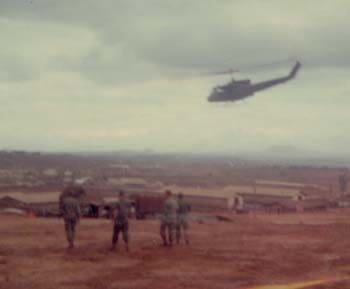
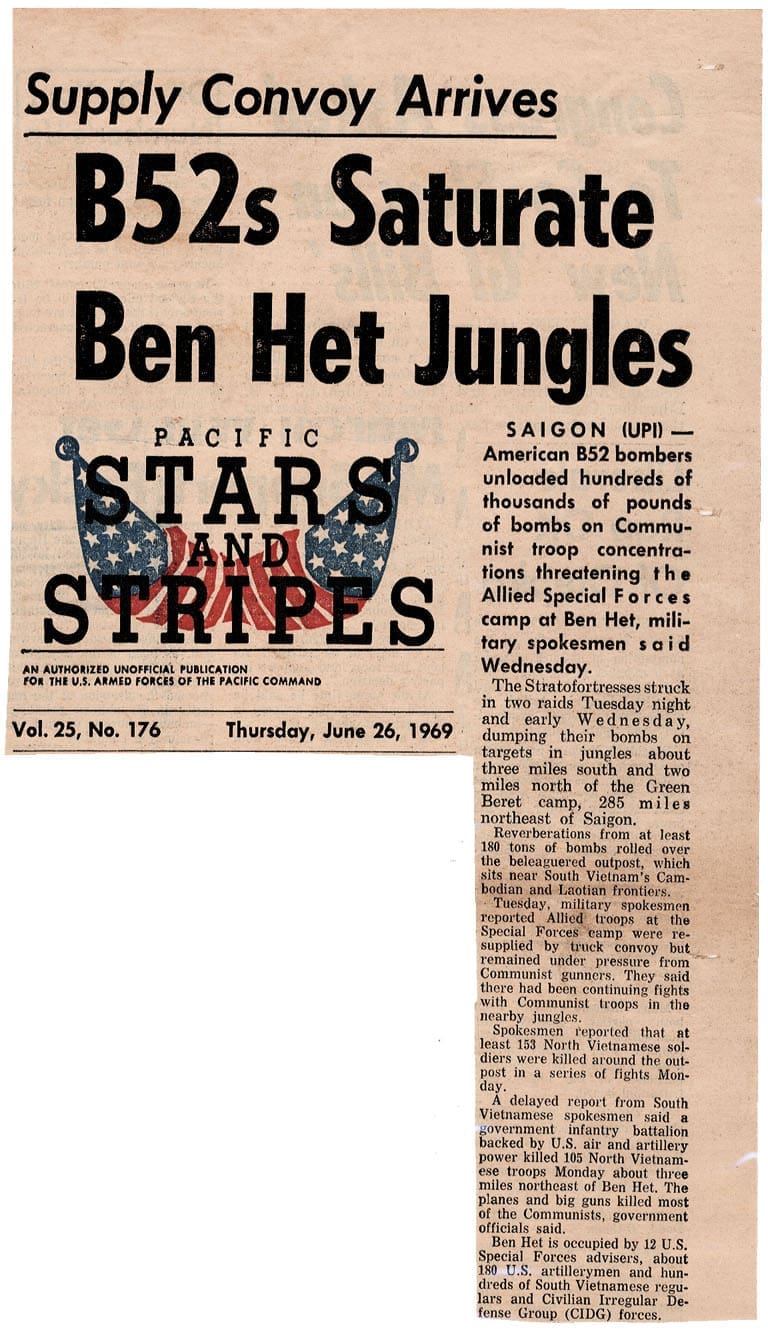
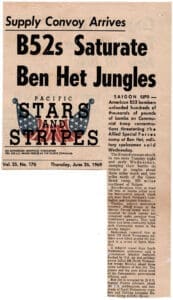
By the numbers alone, Morris Johnson and the others probably weren’t supposed to make it out of Ben Het. Sixty-five artillery soldiers sat on a hill in Vietnam’s Central Highlands surrounded by estimates of as many as 10,000 enemy troops while food, water and ammunition steadily disappeared.
Years before drag racing fans came to know Johnson as the underfunded Pro Stock racer willing to line up beside the sport’s biggest names, he was a young soldier trying to survive a place where simply making it through another day felt like its own victory. The race cars, burnouts and grandstands would come much later.
Johnson had been assigned to Pleiku after extensive training at Fort Sill, Oklahoma. His knowledge of artillery systems became strong enough that he occasionally found himself teaching procedures to older soldiers, including veterans with previous combat experience, a situation that wasn’t always welcomed.
Eventually Johnson and approximately sixty other artillery soldiers moved to Ben Het where almost no infantry support existed. A small Ranger presence occupied the area as Johnson’s group arrived, but they soon departed, leaving the artillery unit largely on its own.
Years later Johnson discovered one of those Rangers had been former NHRA Pro Stock racer and Wayne County Speed Shop owner Dave Hutchens. Neither man realized it at the time, but they had crossed paths years before they would meet again at a drag strip.
“We just embraced there at the race track,” Johnson remembered of their reunion years later at the U.S. Nationals.
Not long after the Rangers left, conditions at Ben Het changed dramatically. Johnson recalled artillery fire becoming increasingly frequent while military officials relied on reports from leadership at the base to determine the severity of the attacks.
“We had a captain with us in Ben Het and when we’d get some artillery fire, he’d report in that we were under major attack,” Johnson recalled. “We’d get a few shells and he’d run in the bunker and hide.”
Military crater-analysis teams eventually arrived to inspect the reported attacks. Johnson said support was later pulled back and after that happened, conditions became significantly worse.
“We’d see the puff of smoke up on the hill, know there was something coming and we’d take cover by the time it hit,” Johnson said. “Twenty-five seconds later the round would explode.”
The fighting eventually intensified enough that Johnson and the others wore gas masks for multiple days at a time. At the same time, supplies began disappearing, creating a situation where survival depended as much on resourcefulness as firepower.
“Sixty-five versus 10,000 is not an even fight,” Johnson said. “Then we ran out of ammo, food and water.”




























NHRA’S COUNTDOWN PROBLEM DIDN’T START WITH SHAWN REED, BUT HIS CASE EXPOSED IT