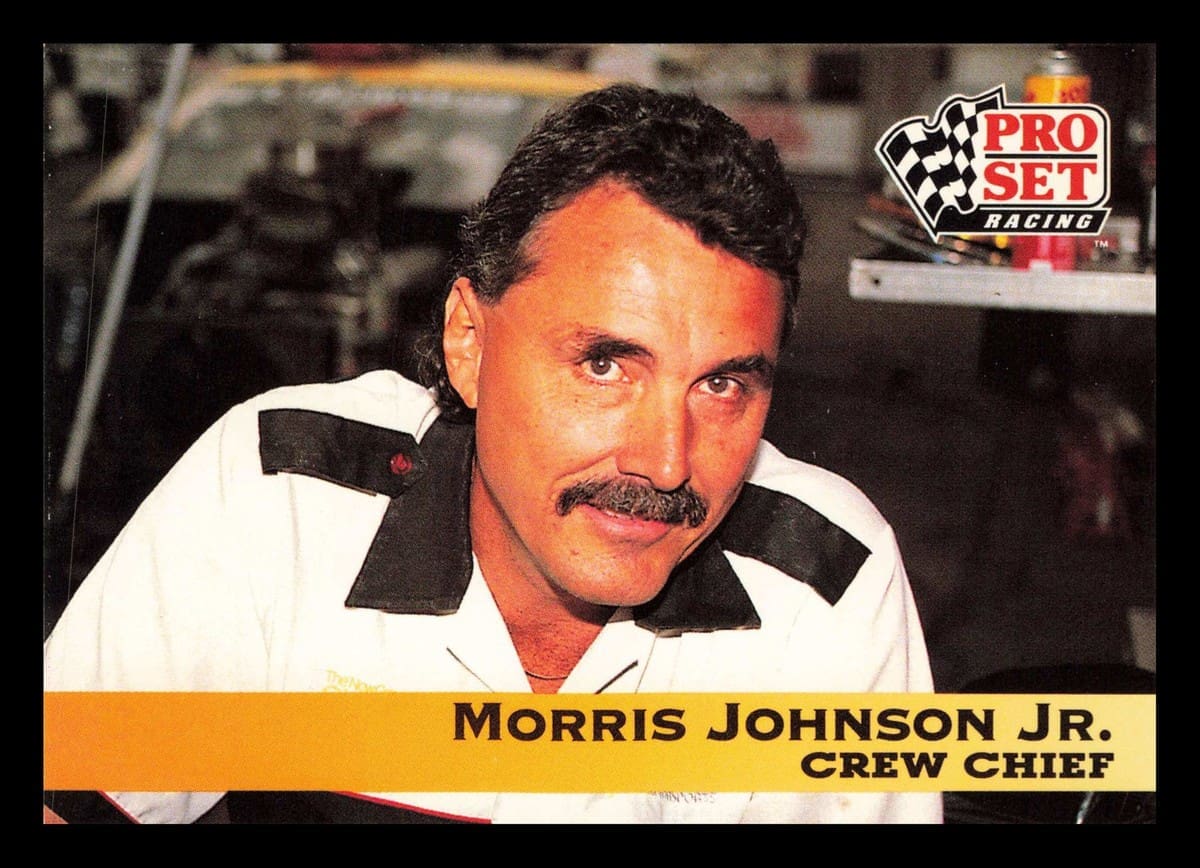

Editor’s Note: This story was originally published by CompetitionPlus in May 2009. Each Memorial Day, certain stories deserve another lap because time changes perspective. We’ve revisited Morris Johnson Jr.’s story with added context and updated presentation to better reflect the unseen burdens many veterans carried long after they stepped off the plane and tried to return to normal life.
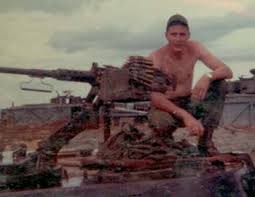
Morris Johnson Jr. survived Vietnam.

A lot of the men around him didn’t.

For years after coming home, Johnson believed survival meant he had made it through. He returned from Vietnam carrying three Purple Hearts, two Bronze Stars and memories he mostly kept to himself. Like many men of that era, he did what he thought he was supposed to do after coming home. He went to work, built a life and tried to keep moving forward.

Then he discovered something many combat veterans already knew.

The plane lands. The uniform comes off. The war doesn’t always leave with it.

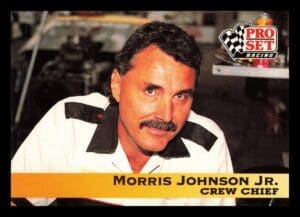
Johnson eventually became one of drag racing’s most respected underdogs, a Pro Stock racer who routinely fought bigger teams with smaller budgets. Fans saw the racer willing to line up against anyone, the hard-working competitor who earned respect throughout the pits, and the man who never backed away from a challenge.

What they never saw started after the crowds went home.

They didn’t see his father covering windows with plywood because the nightmares kept sending him through the glass. They didn’t see mornings where sleep felt less like rest and more like another battle waiting on the other side of closed eyes.

“I was having severe nightmares,” Johnson said. “My dad had to nail plywood over the windows of the house to keep me from kicking them out.”

Johnson had survived one battlefield only to discover another waiting for him at home.
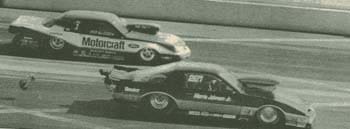
In 1968, Johnson originally had orders sending him to Germany. Looking back, the decision that changed his life sounded simple enough at the time.

He volunteered for Vietnam.

Combat pay offered a chance to save money, and to a young man who grew up poor as a sharecropper, that mattered. The Army sent him to Fort Sill, Oklahoma, where he learned to operate nearly every weapon in the U.S. arsenal before shipping overseas.

Then came Ben Het.

Johnson’s unit consisted of approximately 65 soldiers, while intelligence reports estimated nearly 10,000 Viet Cong forces in the surrounding area. During a roughly 60-day period, he was wounded three different times.

One enemy shell landed among Self Propelled Artillery units and triggered secondary explosions among staged ammunition. Shrapnel tore through Johnson’s body from his back down into his legs.

He came home carrying injuries people could see.

Others followed him home where nobody could.

Johnson received three Purple Hearts and two Bronze Stars but has always been reluctant to discuss the actions behind those honors. Recognition was never where he placed his focus.

“There’s no ‘I’ in team and you need teams to win drag races and wars,” Johnson said.

SIDEBAR – SIXTY-FIVE MEN ON A HILL: MORRIS JOHNSON’S BEN HET STORY

By the numbers alone, Morris Johnson and the others probably weren’t supposed to make it out of Ben Het. Sixty-five artillery soldiers sat on a hill in Vietnam’s Central Highlands surrounded by estimates of as many as 10,000 enemy troops while food, water and ammunition steadily disappeared.

Years before drag racing fans came to know Johnson as the underfunded Pro Stock racer willing to line up beside the sport’s biggest names, he was a young soldier trying to survive a place where simply making it through another day felt like its own victory. The race cars, burnouts and grandstands would come much later.

Johnson had been assigned to Pleiku after extensive training at Fort Sill, Oklahoma. His knowledge of artillery systems became strong enough that he occasionally found himself teaching procedures to older soldiers, including veterans with previous combat experience, a situation that wasn’t always welcomed.

READ THE FULL STORY

Coming home created a different fight entirely.

“I came home from Vietnam and I became dormant,” Johnson said. “I did nothing and the V.A. called me after I had been out for a year.”

The visible injuries received treatment. The invisible ones were harder to understand at the time, both for Johnson and for the medical community still learning about the effects of traumatic stress on combat veterans.

“I could lay on the bed with only a sheet on me and could flex every muscle I had during one of the nightmares,” Johnson said. “I could flex so quick that I could hit the sheetrock in the wall.”

Johnson eventually damaged his spine badly enough to require surgery.

“They told me it wasn’t Vietnam or service related,” Johnson said.

Over time Johnson built a successful business, established himself in drag racing and earned respect throughout the pits. He believed what happened overseas had a purpose, and like many veterans, thought time and work had finally put some distance between himself and the memories he carried home.

For a while, it looked like he had outrun them.

Then the war returned.

“I got to where I would see a kid with dirty clothes playing while I drove down the street and it would tear me up to the point that I would pull over and start crying,” Johnson said.

The memories he had pushed aside for years began finding their way back into everyday life. Depression followed and eventually started taking pieces of the life he had spent years building.

“I lost everything I had and ended up spending 17 days at the V.A. Hospital in Richmond,” Johnson admitted. “I just lost it and felt awfully close to a complete mental breakdown.”

The racer who had become one of drag racing’s most respected underdogs disappeared from the spotlight.

“I couldn’t race because I lost everything I had,” Johnson said. “I had to try and find a reason to want to live again.”

Johnson once revealed he had gone from building a net worth of nearly $5 million to struggling financially. For a man who grew up poor and spent his life working to escape that reality, watching it happen felt like losing the ground beneath his feet.

“I literally lost everything after building a net worth of $5 million,” Johnson said. “I grew up poor and figured I was going to have to go back to eating potatoes and picking beans.”

Recovery wasn’t measured in weeks or months.

It took years.

Slowly Johnson rebuilt his life alongside his son George, a Marine veteran, and the two established an irrigation business that began to prosper. Over time he also started finding his way back toward the race cars and the drag strips that had once felt like home.

Then came a moment Johnson never forgot.

At an NHRA event, two brothers approached him carrying memories of a brother they had lost during Vietnam. They asked Johnson if he would wear the man’s pilot wings on his firesuit.

Johnson stared back for a moment.

“You want me to have his wings?” he asked.

They nodded.

Johnson pinned the wings on his firesuit and walked toward his race car.

“Needless to say I was useless from that point on,” Johnson admitted. “I had tears streaming down my cheeks.”

Winning and losing suddenly stopped mattering.

Some things do that.

Years later, Johnson attended a Chamber of Commerce banquet where he was being recognized for helping strengthen his community. As he listened to the introduction describing the award recipient, he thought they were talking about someone else.

Then they called his name.

Johnson walked to the podium and remembered another day decades earlier.

“The last time something like this happened was December 21, 1969, when I came home from Vietnam,” Johnson said.

“I walked around the farm roads of Huddleston, Virginia before anyone ever said, ‘Welcome home.'”

He remembered a local pastor eventually approaching him and thanking him for his service. The words stayed with him because they arrived after years of silence, something many Vietnam veterans understood all too well.

Memorial Day stands for those who never came home.

For Morris Johnson Jr., it also became about carrying with him the memories of the ones who didn’t.

Some rode with him long after the war ended.

Share the Insights?

Click here to share the article.

ad space x ad space

ad space x ad space

Competition Plus Team

Since our inception, we have been passionately dedicated to delivering the most accurate, timely, and compelling content in the world of drag racing. Our readers depend on us for the latest news, in-depth features, expert analysis, and exclusive interviews that connect you to the sport’s pulse.

Sign up for our newsletters and email list.

This field is for validation purposes and should be left unchanged.
Name

THE WAR CAME HOME WITH MORRIS JOHNSON: FORMER NHRA PRO STOCK RACER CARRIED VIETNAM’S INVISIBLE SCARS

Editor’s Note: This story was originally published by CompetitionPlus in May 2009. Each Memorial Day, certain stories deserve another lap because time changes perspective. We’ve revisited Morris Johnson Jr.’s story with added context and updated presentation to better reflect the unseen burdens many veterans carried long after they stepped off the plane and tried to return to normal life.

Morris Johnson Jr. survived Vietnam.

A lot of the men around him didn’t.

For years after coming home, Johnson believed survival meant he had made it through. He returned from Vietnam carrying three Purple Hearts, two Bronze Stars and memories he mostly kept to himself. Like many men of that era, he did what he thought he was supposed to do after coming home. He went to work, built a life and tried to keep moving forward.

Then he discovered something many combat veterans already knew.

The plane lands. The uniform comes off. The war doesn’t always leave with it.

Johnson eventually became one of drag racing’s most respected underdogs, a Pro Stock racer who routinely fought bigger teams with smaller budgets. Fans saw the racer willing to line up against anyone, the hard-working competitor who earned respect throughout the pits, and the man who never backed away from a challenge.

What they never saw started after the crowds went home.

They didn’t see his father covering windows with plywood because the nightmares kept sending him through the glass. They didn’t see mornings where sleep felt less like rest and more like another battle waiting on the other side of closed eyes.

“I was having severe nightmares,” Johnson said. “My dad had to nail plywood over the windows of the house to keep me from kicking them out.”

Johnson had survived one battlefield only to discover another waiting for him at home.

In 1968, Johnson originally had orders sending him to Germany. Looking back, the decision that changed his life sounded simple enough at the time.

He volunteered for Vietnam.

Combat pay offered a chance to save money, and to a young man who grew up poor as a sharecropper, that mattered. The Army sent him to Fort Sill, Oklahoma, where he learned to operate nearly every weapon in the U.S. arsenal before shipping overseas.

Then came Ben Het.

Johnson’s unit consisted of approximately 65 soldiers, while intelligence reports estimated nearly 10,000 Viet Cong forces in the surrounding area. During a roughly 60-day period, he was wounded three different times.

One enemy shell landed among Self Propelled Artillery units and triggered secondary explosions among staged ammunition. Shrapnel tore through Johnson’s body from his back down into his legs.

He came home carrying injuries people could see.

Others followed him home where nobody could.

Johnson received three Purple Hearts and two Bronze Stars but has always been reluctant to discuss the actions behind those honors. Recognition was never where he placed his focus.

“There’s no ‘I’ in team and you need teams to win drag races and wars,” Johnson said.
SIDEBAR – SIXTY-FIVE MEN ON A HILL: MORRIS JOHNSON’S BEN HET STORY

By the numbers alone, Morris Johnson and the others probably weren’t supposed to make it out of Ben Het. Sixty-five artillery soldiers sat on a hill in Vietnam’s Central Highlands surrounded by estimates of as many as 10,000 enemy troops while food, water and ammunition steadily disappeared.

Years before drag racing fans came to know Johnson as the underfunded Pro Stock racer willing to line up beside the sport’s biggest names, he was a young soldier trying to survive a place where simply making it through another day felt like its own victory. The race cars, burnouts and grandstands would come much later.

Johnson had been assigned to Pleiku after extensive training at Fort Sill, Oklahoma. His knowledge of artillery systems became strong enough that he occasionally found himself teaching procedures to older soldiers, including veterans with previous combat experience, a situation that wasn’t always welcomed.

READ THE FULL STORY

Coming home created a different fight entirely.

“I came home from Vietnam and I became dormant,” Johnson said. “I did nothing and the V.A. called me after I had been out for a year.”

The visible injuries received treatment. The invisible ones were harder to understand at the time, both for Johnson and for the medical community still learning about the effects of traumatic stress on combat veterans.

“I could lay on the bed with only a sheet on me and could flex every muscle I had during one of the nightmares,” Johnson said. “I could flex so quick that I could hit the sheetrock in the wall.”

Johnson eventually damaged his spine badly enough to require surgery.

“They told me it wasn’t Vietnam or service related,” Johnson said.

Over time Johnson built a successful business, established himself in drag racing and earned respect throughout the pits. He believed what happened overseas had a purpose, and like many veterans, thought time and work had finally put some distance between himself and the memories he carried home.

For a while, it looked like he had outrun them.

Then the war returned.

“I got to where I would see a kid with dirty clothes playing while I drove down the street and it would tear me up to the point that I would pull over and start crying,” Johnson said.

The memories he had pushed aside for years began finding their way back into everyday life. Depression followed and eventually started taking pieces of the life he had spent years building.

“I lost everything I had and ended up spending 17 days at the V.A. Hospital in Richmond,” Johnson admitted. “I just lost it and felt awfully close to a complete mental breakdown.”

The racer who had become one of drag racing’s most respected underdogs disappeared from the spotlight.

“I couldn’t race because I lost everything I had,” Johnson said. “I had to try and find a reason to want to live again.”

Johnson once revealed he had gone from building a net worth of nearly $5 million to struggling financially. For a man who grew up poor and spent his life working to escape that reality, watching it happen felt like losing the ground beneath his feet.

“I literally lost everything after building a net worth of $5 million,” Johnson said. “I grew up poor and figured I was going to have to go back to eating potatoes and picking beans.”

Recovery wasn’t measured in weeks or months.

It took years.

Slowly Johnson rebuilt his life alongside his son George, a Marine veteran, and the two established an irrigation business that began to prosper. Over time he also started finding his way back toward the race cars and the drag strips that had once felt like home.

Then came a moment Johnson never forgot.

At an NHRA event, two brothers approached him carrying memories of a brother they had lost during Vietnam. They asked Johnson if he would wear the man’s pilot wings on his firesuit.

Johnson stared back for a moment.

“You want me to have his wings?” he asked.

They nodded.

Johnson pinned the wings on his firesuit and walked toward his race car.

“Needless to say I was useless from that point on,” Johnson admitted. “I had tears streaming down my cheeks.”

Winning and losing suddenly stopped mattering.

Some things do that.

Years later, Johnson attended a Chamber of Commerce banquet where he was being recognized for helping strengthen his community. As he listened to the introduction describing the award recipient, he thought they were talking about someone else.

Then they called his name.

Johnson walked to the podium and remembered another day decades earlier.

“The last time something like this happened was December 21, 1969, when I came home from Vietnam,” Johnson said.

“I walked around the farm roads of Huddleston, Virginia before anyone ever said, ‘Welcome home.'”

He remembered a local pastor eventually approaching him and thanking him for his service. The words stayed with him because they arrived after years of silence, something many Vietnam veterans understood all too well.

Memorial Day stands for those who never came home.

For Morris Johnson Jr., it also became about carrying with him the memories of the ones who didn’t.

Some rode with him long after the war ended.
Picture of John Doe

John Doe

Lorem ipsum dolor sit amet consectetur adipiscing elit dolor

More Posts

Send Us A Message

Picture of Bobby Bennett
Bobby Bennett
Thank you for joining us on this journey. Your support and trust inspire us every day to deliver the best in drag racing journalism. We are excited about the future and look forward to continuing to serve you with the same dedication and passion that has defined CompetitionPlus.com from the very beginning.

Don’t miss these other exciting stories!

Explore more action packed posts on Competition Plus, where we dive into the latest in Drag Racing News. Discover a range of topics, from race coverage to in-depth interviews, to keep you informed and entertained.