
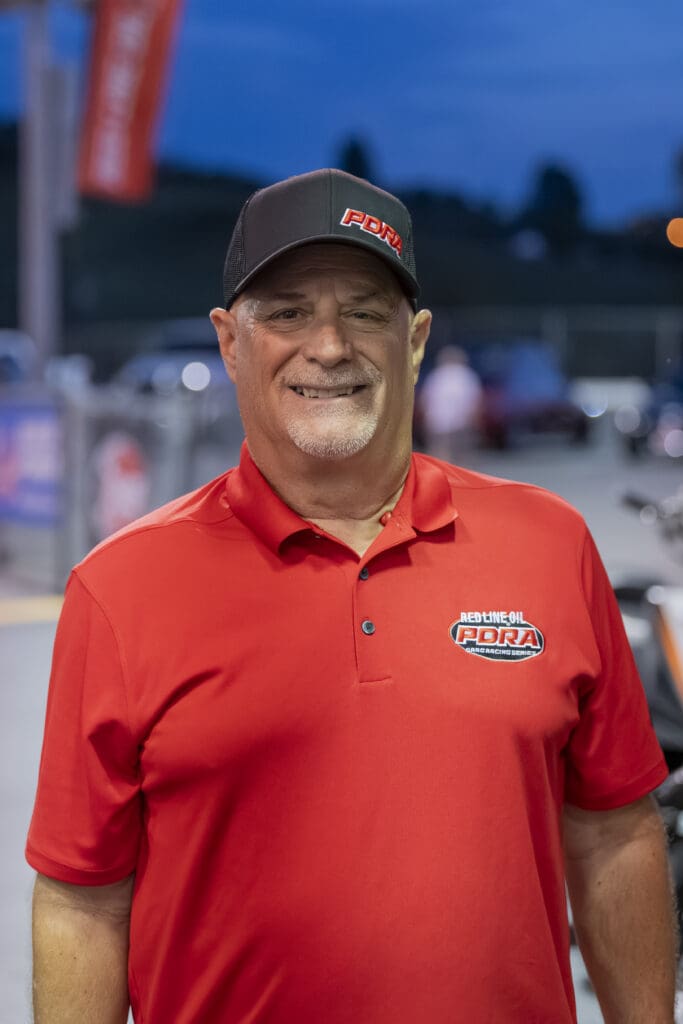
Mark Beatty didn’t join the Professional Drag Racers Association because he believed it needed better racing. He joined because he believes one of drag racing’s strongest products has spent too long selling itself to people who already know how good it is.

Spend a few minutes around Beatty, and it doesn’t take long to realize he talks differently than most people running race series. Ask about elapsed times or championship battles, and he’ll listen. Ask about branding, audience growth and long-term vision, and the conversation comes alive.

That isn’t an accident.

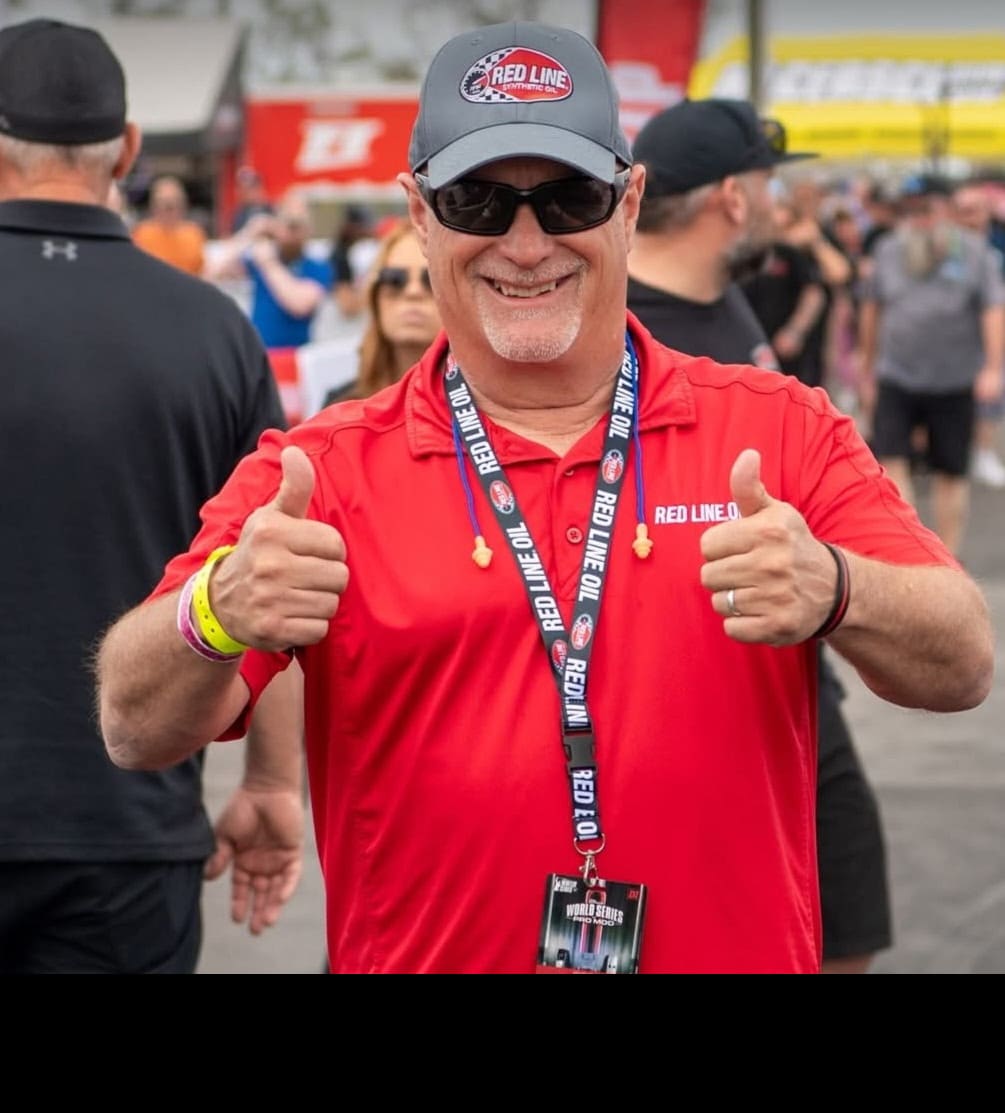
A year ago, Beatty was directing motorsports programs for Red Line Oil, the title sponsor of the PDRA. Today, he occupies a unique seat inside the organization, one not defined by championships won or laps made, but by a business mindset the series believes can help take it beyond its traditional audience.

The fit seems almost unconventional.

PDRA owner Tommy Franklin is a racer. Series director Tyler Crossnoe is a racer. Their careers have been built around competition, racers and race weekends.

Beatty readily admits he comes at the sport from another direction.

“Tommy is a racer. Tyler is a racer. In their hearts, they’re racers,” Beatty said. “I’m not. I’m a businessman. I’m a visionary, so I naturally look at things differently.”
Bear in mind that just because Beatty displays the badge of non-racer doesn’t mean he didn’t drag race at one time, having competed in NHRA’s Competition Eliminator. Today, those days are long behind him. That difference may prove to be one of the organization’s biggest strengths.

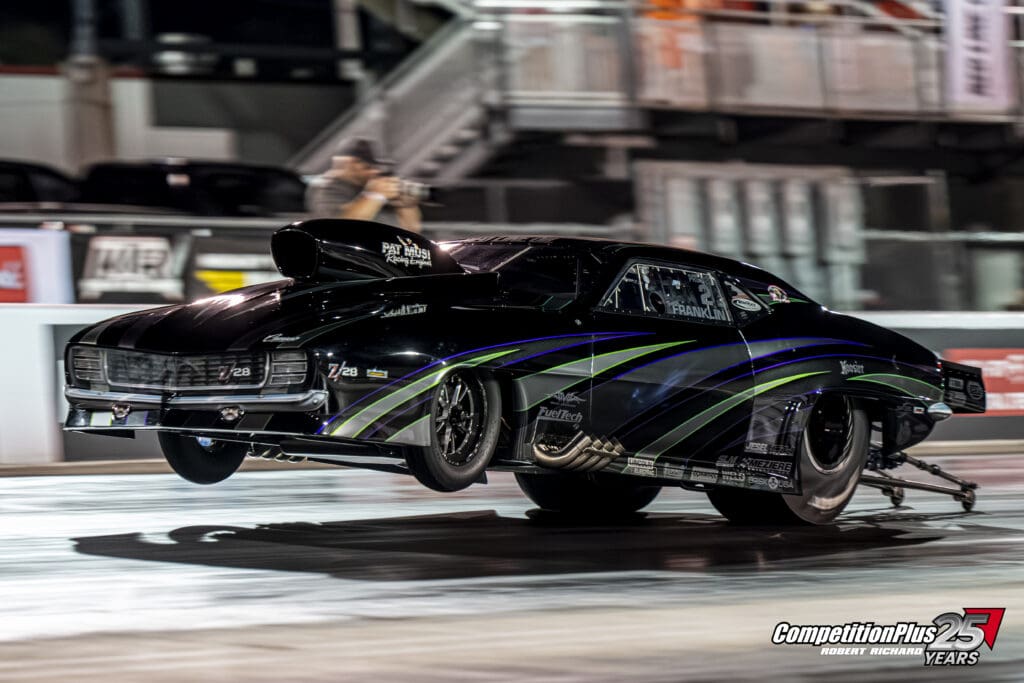
Franklin and Crossnoe spent more than a decade building one of the most competitive eighth-mile series in drag racing. Under their leadership, the PDRA established itself as a destination for Pro Modified racers while creating competitive fields throughout classes ranging from Pro Nitrous, Pro Boost, Pro Street and Pro 632 to Top Sportsman and Top Dragster.

Beatty isn’t interested in rewriting that blueprint.

He believes the product is already one of the strongest in drag racing. What he questions is why so many people outside the sport’s inner circle have never experienced it.

“Even before I took this role, the PDRA felt a little too much like a good old boy network,” Beatty said. “That’s not an insult. It’s just a vibe. I want to expand that. I want everyone to feel included. I want Corporate America to feel like it belongs here because our vision is bigger than what it has been.”

For Beatty, that starts with changing the conversation.

Every sanctioning body talks about putting more fans in the grandstands. He believes the challenge begins much earlier, with how an organization presents itself to people who have never attended an event.

The racing can speak for itself once fans arrive.
The hard part is getting them there. Beatty doesn’t pretend there’s a single solution, nor does he believe one promotion, one sponsor, or one social media campaign suddenly transforms attendance.

Instead, he sees dozens of small improvements working toward the same goal.

As he sees it, buying tickets should be easier. The organization’s identity should be clearer. Potential sponsors should immediately understand what separates the PDRA from every other racing property competing for their attention.

Just as importantly, newcomers should understand exactly what they’re being invited to experience.

“We have to teach the world who we are,” Beatty said. “If someone goes to our website and clicks ‘About Us,’ it ought to be crystal clear who the PDRA is, what we stand for and where we’re going. We’re not just a good old boy network. We’re the real deal.”

His confidence isn’t built on wishful thinking. Instead, it’s built on what he sees every race weekend.

While Pro Modified stands as one of the hottest categories in drag racing, Beatty believes the depth of the PDRA extends well beyond its headline classes. Nearly 400 competitors regularly fill the pits, creating one of the deepest collections of sportsman and professional talent in the sport.

To him, that’s proof the foundation has already been poured. The next step is making sure more people know the house exists.

“When you look at the competitors we have, it’s breathtaking,” Beatty said. “If you’re looking for the best competition and the best racers on the planet, we have them. We just have to make sure the world knows that.”

The timing of Beatty’s arrival has done little to ease the learning curve.

Before he could spend much time discussing long-range strategy, the PDRA found itself monitoring uncertainty surrounding upcoming races scheduled at IHRA-owned facilities. While rumors and speculation swirled outside the organization, Beatty found himself watching an experienced leadership team do exactly what it has done for years. They solve problems before racers ever see them.

For someone new to the management side of the series, it reinforced why the organization has earned its reputation for consistency.

“The beauty of it is the PDRA has been in great hands,” Beatty said. “Tommy Franklin is phenomenal, and Tyler Crossnoe has been leading this series for years. They’re connected throughout the industry and know every detail of putting on these events.

“That allows me to look at the big picture because they’ve got everything else nailed down.”

Growth, in his mind, isn’t measured strictly by car count. It’s measured by influence and the conversation has already begun inside the organization.

One of the first topics has been what the 2027 schedule should look like and not just where the series races, but where it should race. Before new markets become reality, Beatty wants a schedule built on stable facilities and dependable relationships.

Once that foundation is secure, he believes the time comes to look beyond familiar territory.

“We’re trying to nail down a basic schedule for 2027,” Beatty said. “Once we have that, we’ll start looking outside and asking where we need to be. We want more races than we had in 2026.”

Beatty has no interest in adding races just to make the calendar look busier. Every stop has to earn its place by introducing the PDRA to a new market, creating opportunities for racers or giving sponsors another reason to invest in the series.

Beatty sees that as the difference between managing a schedule and building a brand. He also understands growth carries risk.

For much of its history, the PDRA has been deliberate in the decisions it makes. Franklin has often described the organization’s approach as measured rather than aggressive, preferring sustainable progress over headline-grabbing announcements.

Beatty respects that philosophy and believes there are moments when caution has to give way to ambition.

“When you talk to Tommy, everything they’ve done has been very calculated,” Beatty said. “There’s absolutely nothing wrong with that because it’s obviously been successful.”

Then he smiled.

“I’m a wild card.”

Beatty laughed before expanding on what he meant.

“Every organization needs somebody who likes to color outside the lines,” he said. “That’s what I hope I bring to the table. It doesn’t mean being reckless or making foolish decisions.

“It means being willing to ask what else is possible.”

That mindset is what attracted the PDRA to Beatty in the first place. He isn’t replacing the racers who built the organization. He’s adding another perspective to a leadership group that understands success on the racetrack and now wants to expand its reach beyond it.

Beatty believes the organization already has the competition, the credibility and the people. Now, he wants it to have the audience.
For years, the PDRA has earned the respect of those who race within it. Beatty’s challenge is earning the attention of everyone else.

If he succeeds, the series will add relevance. And if his philosophy sounds a little more aggressive than the one that built the organization, Beatty doesn’t apologize for it.

He sees growth as the reward for calculated confidence, not the enemy of it.

“Let’s stomp on the loud pedal,” Beatty said. “Let’s see what happens.”

Share the Insights?

Click here to share the article.

ad space x ad space

ad space x ad space

Competition Plus Team

Since our inception, we have been passionately dedicated to delivering the most accurate, timely, and compelling content in the world of drag racing. Our readers depend on us for the latest news, in-depth features, expert analysis, and exclusive interviews that connect you to the sport’s pulse.

Sign up for our newsletters and email list.

This field is for validation purposes and should be left unchanged.
Name

MARK BEATTY BELIEVES PDRA IS DRAG RACING’S BEST-KEPT SECRET

Mark Beatty didn’t join the Professional Drag Racers Association because he believed it needed better racing. He joined because he believes one of drag racing’s strongest products has spent too long selling itself to people who already know how good it is.

Spend a few minutes around Beatty, and it doesn’t take long to realize he talks differently than most people running race series. Ask about elapsed times or championship battles, and he’ll listen. Ask about branding, audience growth and long-term vision, and the conversation comes alive.

That isn’t an accident.

A year ago, Beatty was directing motorsports programs for Red Line Oil, the title sponsor of the PDRA. Today, he occupies a unique seat inside the organization, one not defined by championships won or laps made, but by a business mindset the series believes can help take it beyond its traditional audience.

The fit seems almost unconventional.

PDRA owner Tommy Franklin is a racer. Series director Tyler Crossnoe is a racer. Their careers have been built around competition, racers and race weekends.

Beatty readily admits he comes at the sport from another direction.

“Tommy is a racer. Tyler is a racer. In their hearts, they’re racers,” Beatty said. “I’m not. I’m a businessman. I’m a visionary, so I naturally look at things differently.”

Bear in mind that just because Beatty displays the badge of non-racer doesn’t mean he didn’t drag race at one time, having competed in NHRA’s Competition Eliminator. Today, those days are long behind him. That difference may prove to be one of the organization’s biggest strengths.

Franklin and Crossnoe spent more than a decade building one of the most competitive eighth-mile series in drag racing. Under their leadership, the PDRA established itself as a destination for Pro Modified racers while creating competitive fields throughout classes ranging from Pro Nitrous, Pro Boost, Pro Street and Pro 632 to Top Sportsman and Top Dragster.

Beatty isn’t interested in rewriting that blueprint.

He believes the product is already one of the strongest in drag racing. What he questions is why so many people outside the sport’s inner circle have never experienced it.

“Even before I took this role, the PDRA felt a little too much like a good old boy network,” Beatty said. “That’s not an insult. It’s just a vibe. I want to expand that. I want everyone to feel included. I want Corporate America to feel like it belongs here because our vision is bigger than what it has been.”

For Beatty, that starts with changing the conversation.

Every sanctioning body talks about putting more fans in the grandstands. He believes the challenge begins much earlier, with how an organization presents itself to people who have never attended an event.

The racing can speak for itself once fans arrive.

The hard part is getting them there. Beatty doesn’t pretend there’s a single solution, nor does he believe one promotion, one sponsor, or one social media campaign suddenly transforms attendance.

Instead, he sees dozens of small improvements working toward the same goal.

As he sees it, buying tickets should be easier. The organization’s identity should be clearer. Potential sponsors should immediately understand what separates the PDRA from every other racing property competing for their attention.

Just as importantly, newcomers should understand exactly what they’re being invited to experience.

“We have to teach the world who we are,” Beatty said. “If someone goes to our website and clicks ‘About Us,’ it ought to be crystal clear who the PDRA is, what we stand for and where we’re going. We’re not just a good old boy network. We’re the real deal.”

His confidence isn’t built on wishful thinking. Instead, it’s built on what he sees every race weekend.

While Pro Modified stands as one of the hottest categories in drag racing, Beatty believes the depth of the PDRA extends well beyond its headline classes. Nearly 400 competitors regularly fill the pits, creating one of the deepest collections of sportsman and professional talent in the sport.

To him, that’s proof the foundation has already been poured. The next step is making sure more people know the house exists.

“When you look at the competitors we have, it’s breathtaking,” Beatty said. “If you’re looking for the best competition and the best racers on the planet, we have them. We just have to make sure the world knows that.”

The timing of Beatty’s arrival has done little to ease the learning curve.

Before he could spend much time discussing long-range strategy, the PDRA found itself monitoring uncertainty surrounding upcoming races scheduled at IHRA-owned facilities. While rumors and speculation swirled outside the organization, Beatty found himself watching an experienced leadership team do exactly what it has done for years. They solve problems before racers ever see them.

For someone new to the management side of the series, it reinforced why the organization has earned its reputation for consistency.

“The beauty of it is the PDRA has been in great hands,” Beatty said. “Tommy Franklin is phenomenal, and Tyler Crossnoe has been leading this series for years. They’re connected throughout the industry and know every detail of putting on these events.

“That allows me to look at the big picture because they’ve got everything else nailed down.”

Growth, in his mind, isn’t measured strictly by car count. It’s measured by influence and the conversation has already begun inside the organization.

One of the first topics has been what the 2027 schedule should look like and not just where the series races, but where it should race. Before new markets become reality, Beatty wants a schedule built on stable facilities and dependable relationships.

Once that foundation is secure, he believes the time comes to look beyond familiar territory.

“We’re trying to nail down a basic schedule for 2027,” Beatty said. “Once we have that, we’ll start looking outside and asking where we need to be. We want more races than we had in 2026.”

Beatty has no interest in adding races just to make the calendar look busier. Every stop has to earn its place by introducing the PDRA to a new market, creating opportunities for racers or giving sponsors another reason to invest in the series.

Beatty sees that as the difference between managing a schedule and building a brand. He also understands growth carries risk.

For much of its history, the PDRA has been deliberate in the decisions it makes. Franklin has often described the organization’s approach as measured rather than aggressive, preferring sustainable progress over headline-grabbing announcements.

Beatty respects that philosophy and believes there are moments when caution has to give way to ambition.

“When you talk to Tommy, everything they’ve done has been very calculated,” Beatty said. “There’s absolutely nothing wrong with that because it’s obviously been successful.”

Then he smiled.

“I’m a wild card.”

Beatty laughed before expanding on what he meant.

“Every organization needs somebody who likes to color outside the lines,” he said. “That’s what I hope I bring to the table. It doesn’t mean being reckless or making foolish decisions.

“It means being willing to ask what else is possible.”

That mindset is what attracted the PDRA to Beatty in the first place. He isn’t replacing the racers who built the organization. He’s adding another perspective to a leadership group that understands success on the racetrack and now wants to expand its reach beyond it.

Beatty believes the organization already has the competition, the credibility and the people. Now, he wants it to have the audience.
For years, the PDRA has earned the respect of those who race within it. Beatty’s challenge is earning the attention of everyone else.

If he succeeds, the series will add relevance. And if his philosophy sounds a little more aggressive than the one that built the organization, Beatty doesn’t apologize for it.

He sees growth as the reward for calculated confidence, not the enemy of it.

“Let’s stomp on the loud pedal,” Beatty said. “Let’s see what happens.”

Picture of John Doe

John Doe

Lorem ipsum dolor sit amet consectetur adipiscing elit dolor

More Posts

Send Us A Message

Picture of Bobby Bennett
Bobby Bennett
Thank you for joining us on this journey. Your support and trust inspire us every day to deliver the best in drag racing journalism. We are excited about the future and look forward to continuing to serve you with the same dedication and passion that has defined CompetitionPlus.com from the very beginning.

Don’t miss these other exciting stories!

Explore more action packed posts on Competition Plus, where we dive into the latest in Drag Racing News. Discover a range of topics, from race coverage to in-depth interviews, to keep you informed and entertained.