“Stuck in the staging lanes and waiting for the rain to clear is probably a suitable metaphor for where Australian drag racing is at the moment.”
When CompetitionPlus.com published those words during the COVID-19 pandemic in 2020, Australian drag racing faced empty grandstands, shuttered tracks and an uncertain future.
Six years later, the view from the staging lanes is considerably different.
The 400 Thunder era has given way to the National Drag Racing Championship, bringing new leadership and renewed optimism to a sport that survived one of the most turbulent periods in its history.
But survival was only the first step.
What will Australian drag racing look like in 2030?
CompetitionPlus.com put that question, along with some of the sport’s most pressing issues, to five major figures and a respected industry voice. Their answers offer different views on where the sport is headed and what must happen to get there.
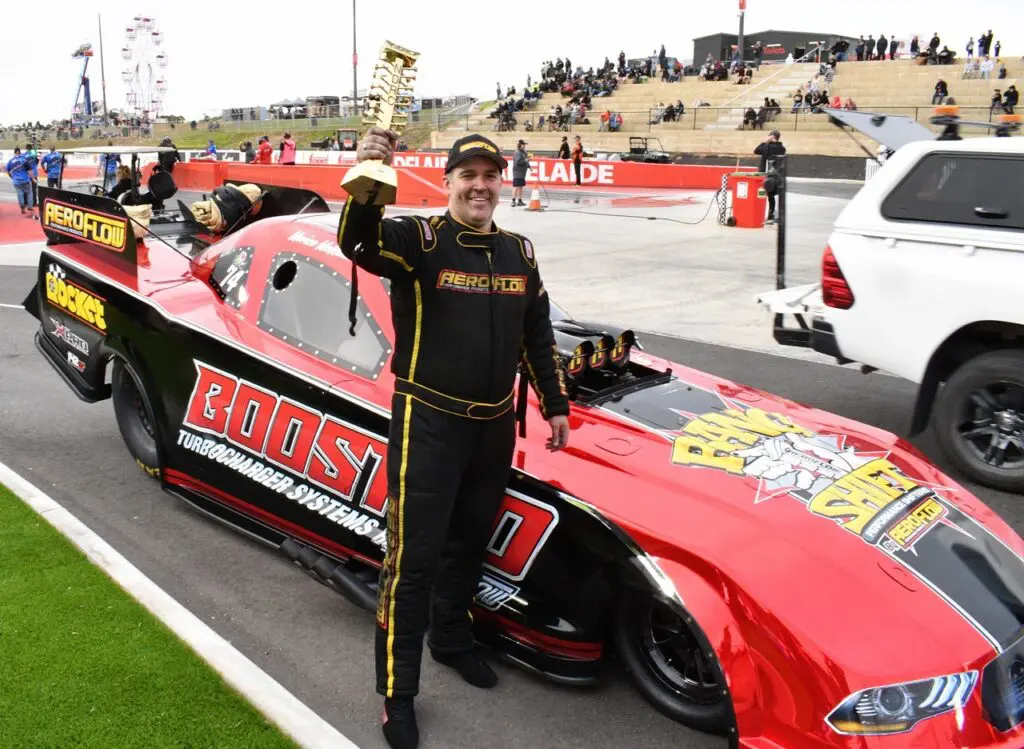
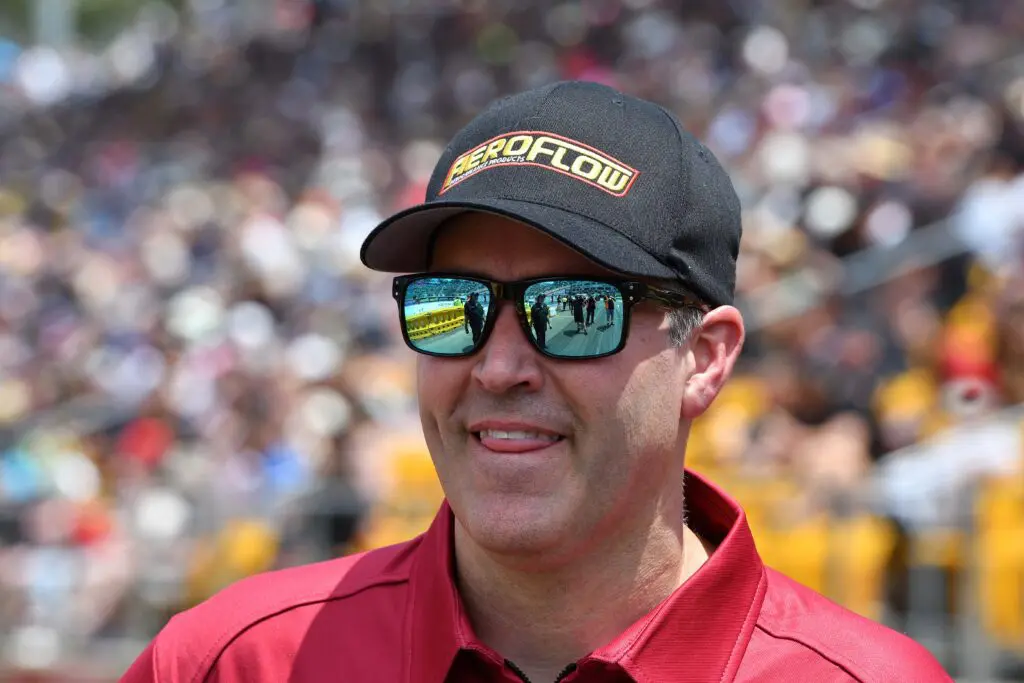
Part Three continues with Australian Funny Car icon, who brings a racer and business perspective – Morice McMillin
CPA – This season you’ve got a six-round series for Funny Car, would you like more, the same or less in the future?
MORICE MCMILLIN – It’s a balancing act when we look at the cost of racing, and I think six is the right number in the current economic climate. We also need to consider where and how the tracks fit into our race schedule. This season we race at Sydney Dragway, The Bend and Willowbank Raceway twice. Next year Victoria is likely to come into consideration to host an event, and you have Perth and Darwin also in the mix. So, it’s the balance between having enough racing in each area and making sure we don’t dilute the product by having too many races at the same place, too often.
CPA – Car counts are problematic … Top Fuel averages around five or six entries a round and Nitro Funny Car a similar number. Is there a case to run both under a Super Nitro class?
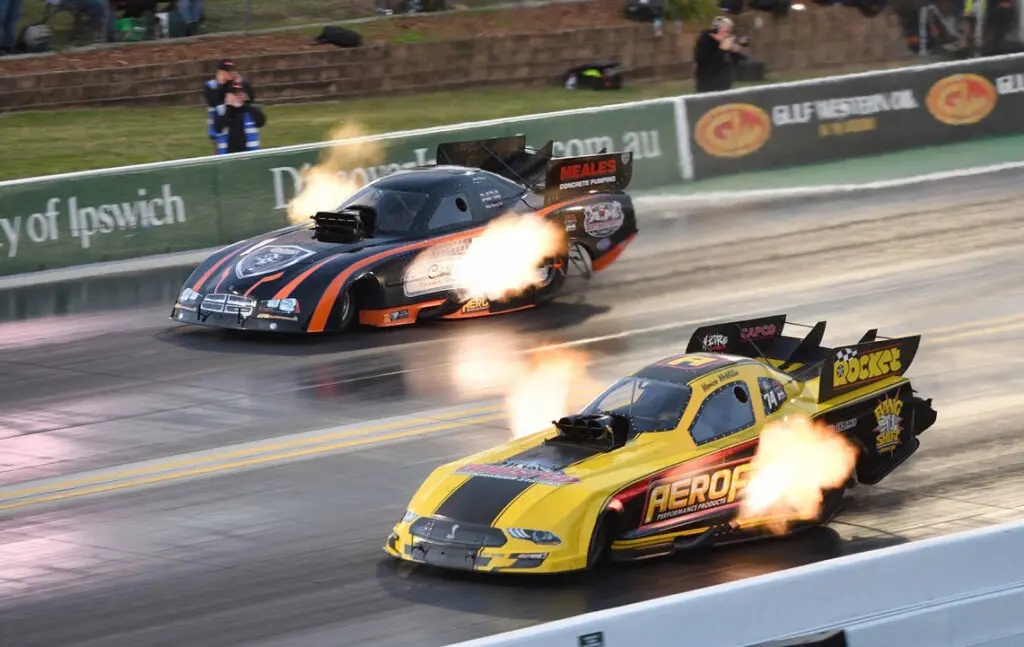
MM – I’m all for it. I don’t think you could include it as a championship round. However, as a one-off event, yes. Obviously, we’d have to figure out how to make it work, particularly in terms of parity. But in terms of a spectacle and an experience for the fans, like the one-day Night Under Fire event at Norwalk in America, I think it would be great.
CPA – The Aussie dollar is on a bit of a roller coaster ride from 59 cents to 71 cents against the greenback. How critical is the value of the dollar to the affordability of racing in Australia?
MM – Is it a real factor? It’s huge. These cars aren’t cheap to run. So, any change in the dollar has a direct effect on what it costs. I say to people, these cars run on money and people. You need good parts and you need good people putting the cars together. The cost of everything has gone up from engine parts to putting the diesel in the trucks to get to events, down to getting the guys breakfast from McDonald’s on the way to the track. It’s just something we don’t have a choice but to adapt to.
CPA – What’s the difference between an NHRA Nitro Funny Car and an Australian Nitro Funny Car?
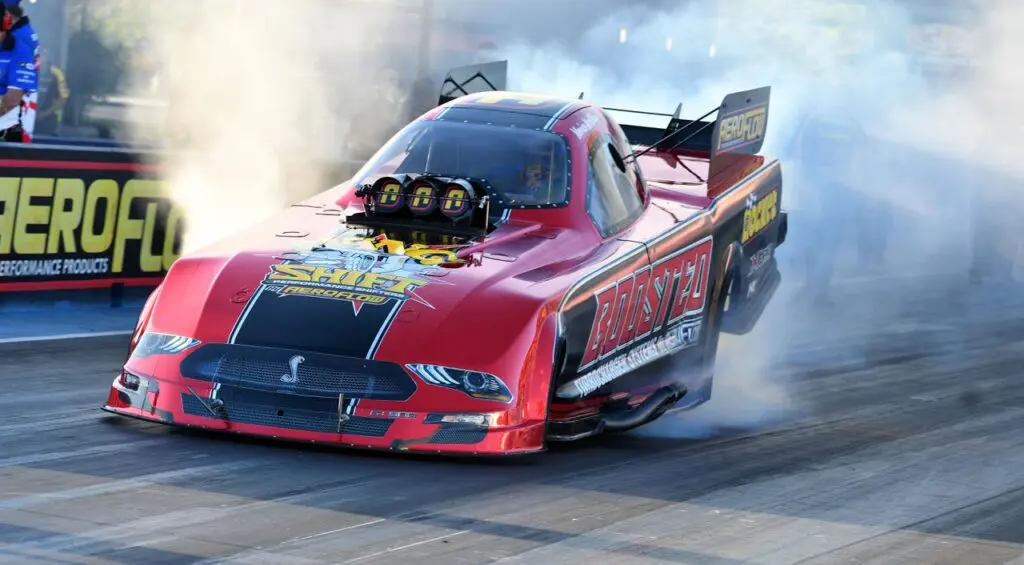
MM – Absolutely nothing. But in terms of racing, probably my answer is the NHRA teams do about 200 laps a year. In Australia we do around 30 or so runs in a season. It would be awesome if we could do 200 like the NHRA, but we don’t.
CPA – From the outside it looks like the promotion of the sport focuses almost entirely on the event and car side, with the emphasis on the noise, power and speed, while the drivers and personalities are afforded less recognition. Is this a fair call or a bit harsh?
MM – No, I would say that’s a fair call. I think a lot also comes down to us as teams and racers, as a group and individually, promoting ourselves. The promoters and venue operators need to promote the cars, the drama and theater of events to get people to the racetrack and be able to fund the events. But, and I’ll use one of our Nitro Funny Car drivers, Justin Walshe, as a good example, he’s really put himself out there on social media and has developed a strong profile. I think there’s an onus on us to do better at promoting our own personal identities and connecting with the fans.
CPA – You tune and drive your car and have a major input into two other cars on race day. How do you juggle all those responsibilities?
MM – Quite simply, I love what I’m doing and wouldn’t be here today without the support of my family, close friends and, most importantly, Graeme and Wendy Cowin, who own Rocket Industries. I could never do it without the crew, who have come into their own and are taking more responsibility and a load off my shoulders on race day.
CPA – This season we had the Darwin round canceled because of travel costs, fuel prices and cost of living pressures. What steps are needed to trim the costs of racing?
MM – There’s only so much you can do, obviously. It’s easy to sit here and say, “Oh, we need big corporate dollars and funding coming in.” I think the sport is heading in a direction where we are getting noticed by more companies. But the reality is drag racing costs a lot of money, not only on the racing side but also for travel and accommodation. We also need to keep in mind that most crew members and race officials are volunteers who do it because they love the sport. I’m a big fan of shorter, sharper events. I wouldn’t see a problem with doing some one-day events. I think it would be cool and would obviously help with expenses. But you need buy-in from everyone to be able to make that happen.
CPA – Is there a place for electric cars as a category in drag racing?
MM – I’ve no doubt there is a place for it. Is it going to replace drag racing as we know it? I don’t think so because people like to sit in the grandstand and watch what we do. It’s the noise, the smoke and flames. You can’t replace that experience with an electric car. I think there’s a place for the average Joe on a Wednesday night at a street racing event to go out and race his electric car. We don’t need to accommodate electric cars, but we need to accept change.
CPA – The date is January 1, 2030. What does the upcoming season look like for NFC?
MM – There’s 24 Funny Cars lined up in the staging lanes right next to 20 Top Fuel racers, next to 20 Pro Slammer cars. Car counts bring people to events. For a country the size of Australia to have at the 2026 Winternationals six Funny Cars and six Top Fuel cars, that’s impressive. On a population ratio compared to America, we’re doing pretty good and producing world-class performances. I think the future for drag racing in this part of the world is looking good. END