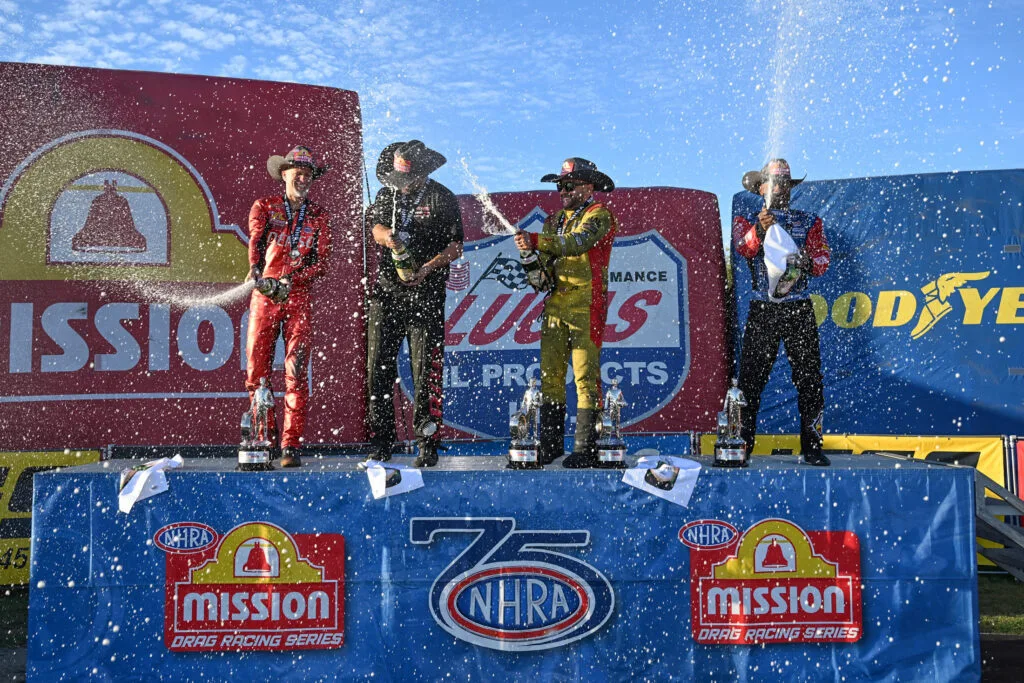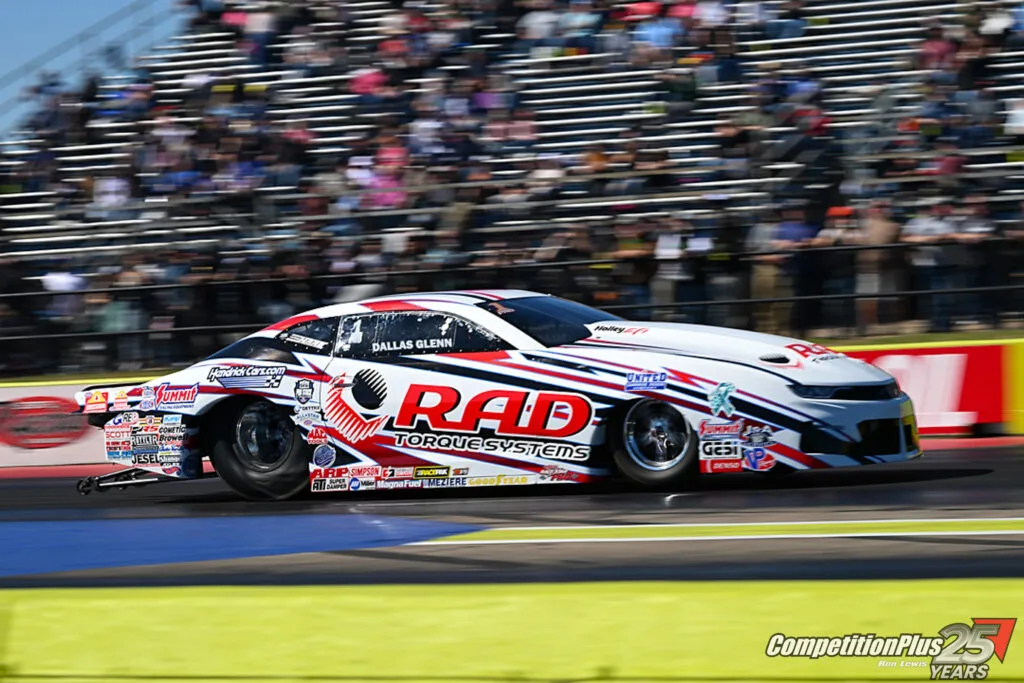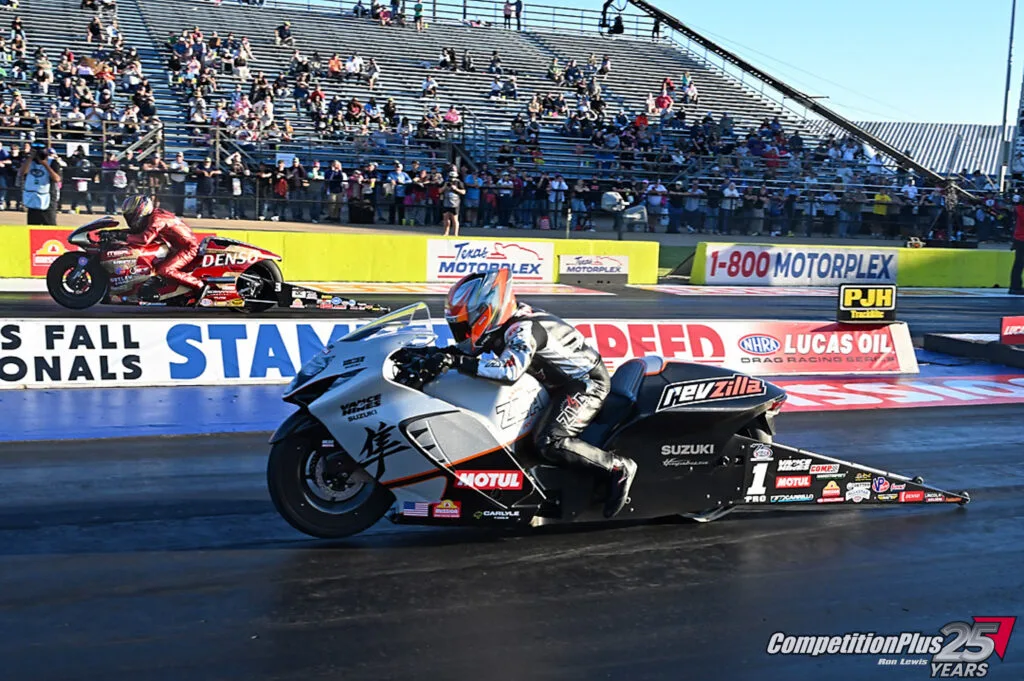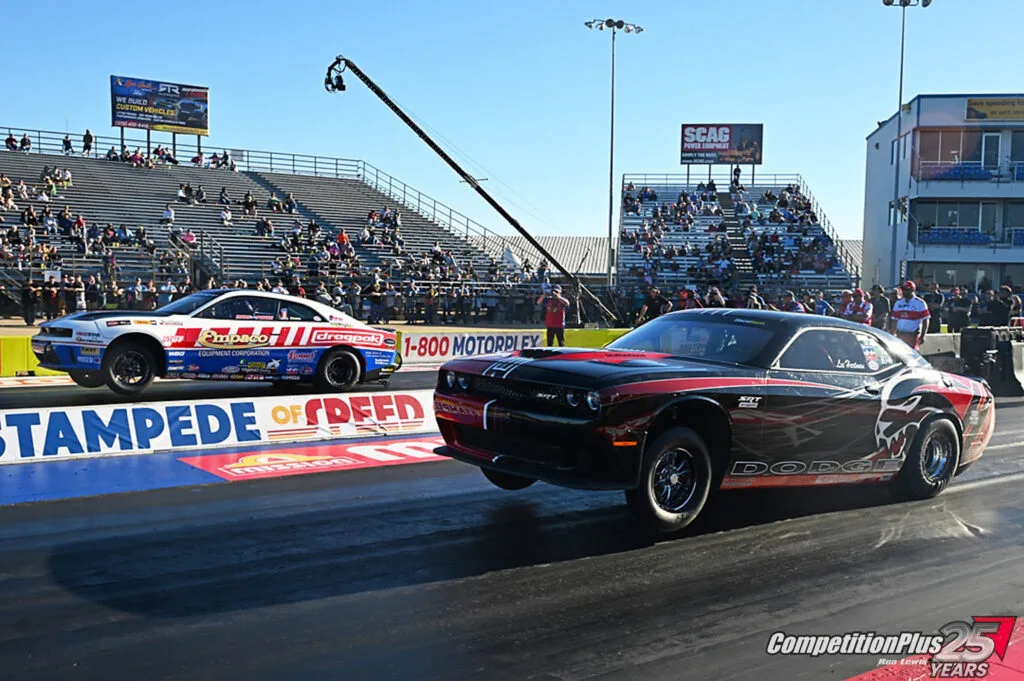


Everybody in drag racing knows who won Sunday.
Figuring out who helps keep the whole thing moving is a much tougher assignment.
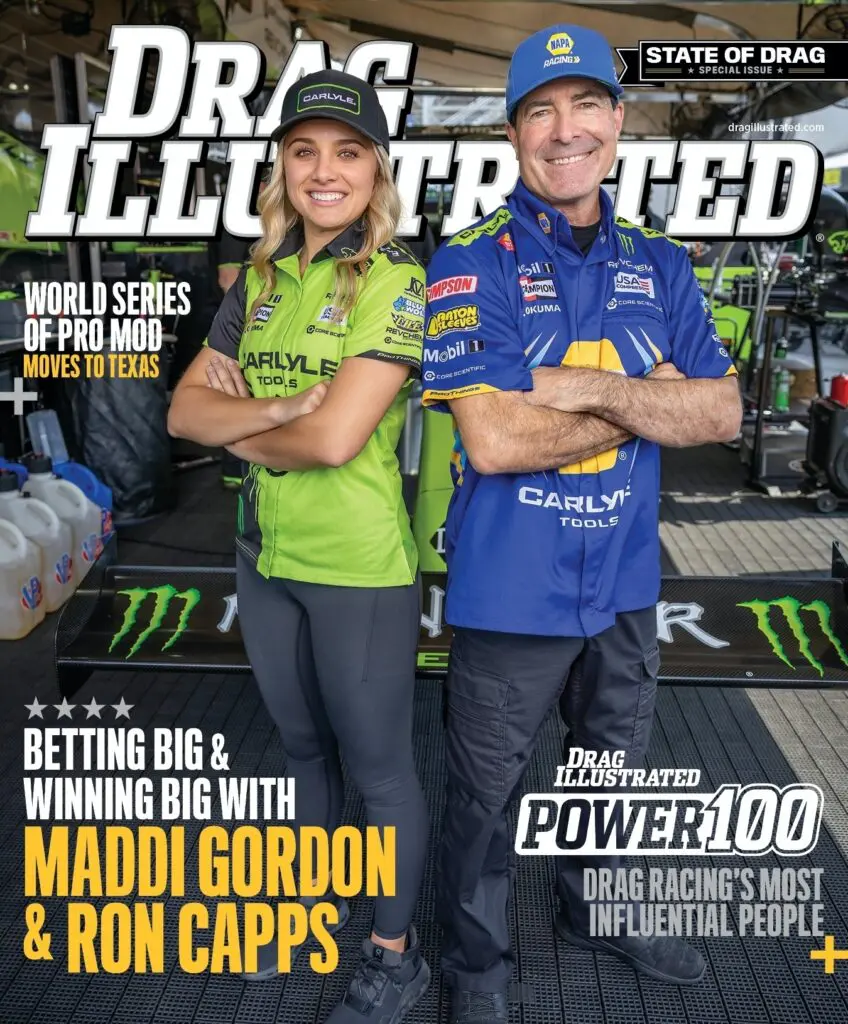
Drag Illustrated took a swing at answering that question with its inaugural Power 100, the centerpiece of the magazine’s 2026 State of Drag Issue. The list identifies 100 people and groups the publication believes are influencing drag racing right now, and winning races is only part of the equation.
CompetitionPlus.com founder and publisher Bobby Bennett made the list as a media member, joining seven others in a category Drag Illustrated calls The Storytellers.
“The idea behind the Power 100 is pretty simple: who are the people that drag racing would look different without right now?” Drag Illustrated founder and editorial director Wes Buck said. “This isn’t a Hall of Fame and it isn’t a lifetime achievement award.”
The difference is in who made the cut.
Winning races will get somebody noticed, but Drag Illustrated looked much deeper than the winner’s circle. Some of the people on the list build the cars, tune them, manufacture the parts, own the tracks, promote the races or make sure somebody tells the story when it’s over.
Drag Illustrated divided its selections into five categories: The Drivers, The Builders, The Visionaries, The Promoters and The Storytellers.
The Drivers include John Force, Greg Anderson, Antron Brown, Erica Enders, Clay Millican, Matt Smith, Justin Ashley and Aaron Stanfield. Lyle Barnett, Stevie “Fast” Jackson, Luke Bogacki, Alex Taylor, Travis Harvey and Jim Halsey also made the list, while Ryan Martin, Shawn Ellington and Scott Taylor share a selection, as do Tony Stewart and Leah Pruett.
The Builders category gets farther into the machinery.
Pat Musi, Mark Micke, Murf McKinney, Tim McAmis, Gene Fulton and Stacy Hall, Jerry Haas and John DeFlorian, Larry Jeffers and Steve Morris are among those recognized. Their names might not always be attached to a win light, but plenty of win lights have come because of their work.
The Visionaries category is the largest and reaches into just about every corner of the business.
Connie Kalitta, Richard Freeman, Alan Johnson, NHRA President Glen Cromwell, Bill Bader Jr., Frank Hawley, Chad Head, Kurt Johnson and Christie Meyer Johnson are among those selected. Cleetus McFarland and Victor Alvarez also made the cut.
“There are certainly legendary people on this list who have spent decades changing the sport, but there are also people whose influence has really emerged in the last few years,” Buck said. “We wanted to look beyond who wins the biggest races and recognize the builders, business owners, promoters, track operators, tuners, innovators and people behind the scenes who are actively moving drag racing forward.”
Then came the hard part: stopping at 100.
Drag racing doesn’t exist in one neat little box. The Power 100 reaches from NHRA professional racing and Pro Modified to bracket racing, radial racing, drag-and-drive, motorcycles and the grassroots level.
Leaving somebody out was inevitable.

Promoters Peter Biondo, Donald and Stephanie Long, Tyler Crossnoe, Chris and Tera Graves, Jennifer Folk and Jason Miller were among those selected.
The Storytellers category includes Brian Lohnes, Bennett, Tom Bailey and Luke Nieuwhof, David Freiburger, Corey Michalek, Courtney Enders-Hyde and Elon Werner.
The Power 100 isn’t the only attraction in Issue No. 202.
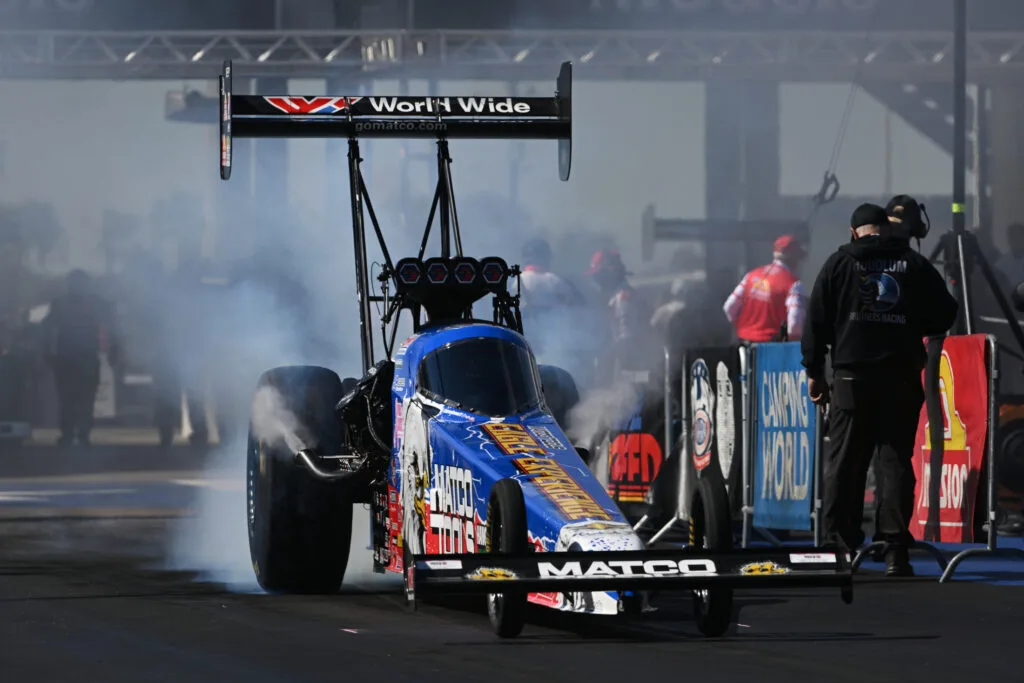
NHRA Top Fuel rookie Maddi Gordon and three-time Funny Car world champion and team owner Ron Capps share the cover. Gordon has become one of the breakout stories of the 2026 season after moving from her family’s Top Alcohol Funny Car operation into Capps’ new Top Fuel program and winning at Norwalk, Ohio.
Capps has expanded his operation into a two-car nitro team while continuing to race Funny Car. Their cover story, “Betting on Maddi,” written by Kelly Wade, examines Capps’ decision to put Gordon in the dragster and Gordon’s quick transition into Top Fuel.
The Power 100 is intended to return annually, which means next year’s edition should produce another round of debate over who made it and who didn’t.
That’s half the fun of making a list in the first place.
“Getting it down to 100 was incredibly difficult,” Buck said, “and that’s probably the best indication of how strong this sport is.”