
Pacific Raceways Boss Finds Way To Integrate Commercial Interests with Racetrack To Preserve Motorsports in Northwest

It almost reads like a departures sign in an airport, the list of cities where NHRA no longer races:
Atlanta, Denver, Englishtown, Houston, Topeka, Memphis, Reading, Richmond.

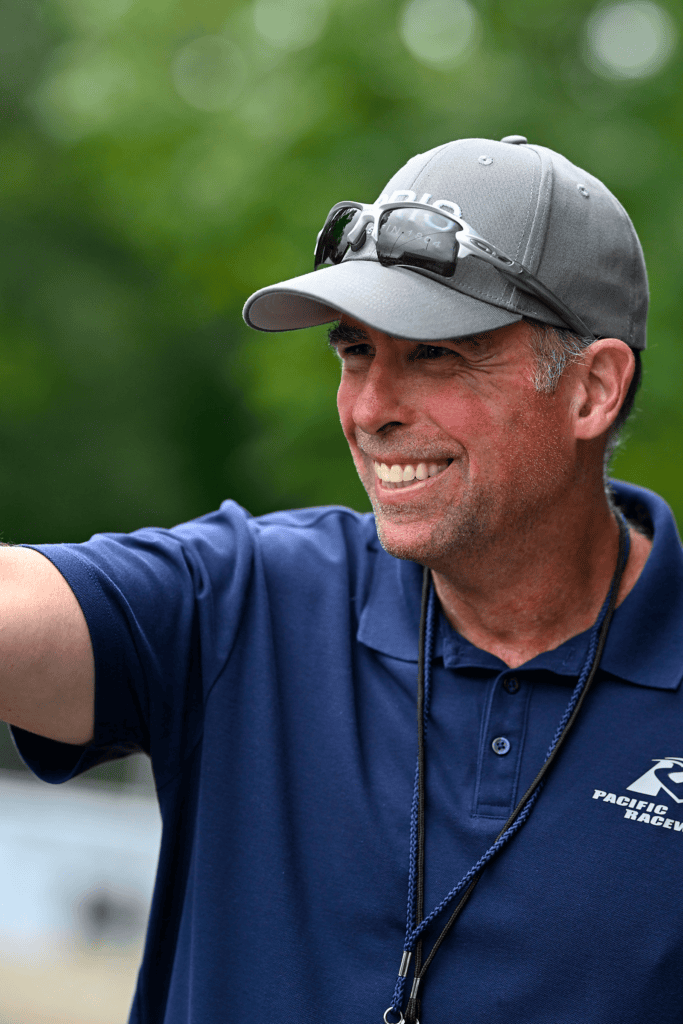
Pacific Raceways President Jason Fiorito has seen the pattern and has vowed that won’t happen with his family-owned suburban Seattle venue.

“Not on my watch,” he said adamantly and repeatedly.

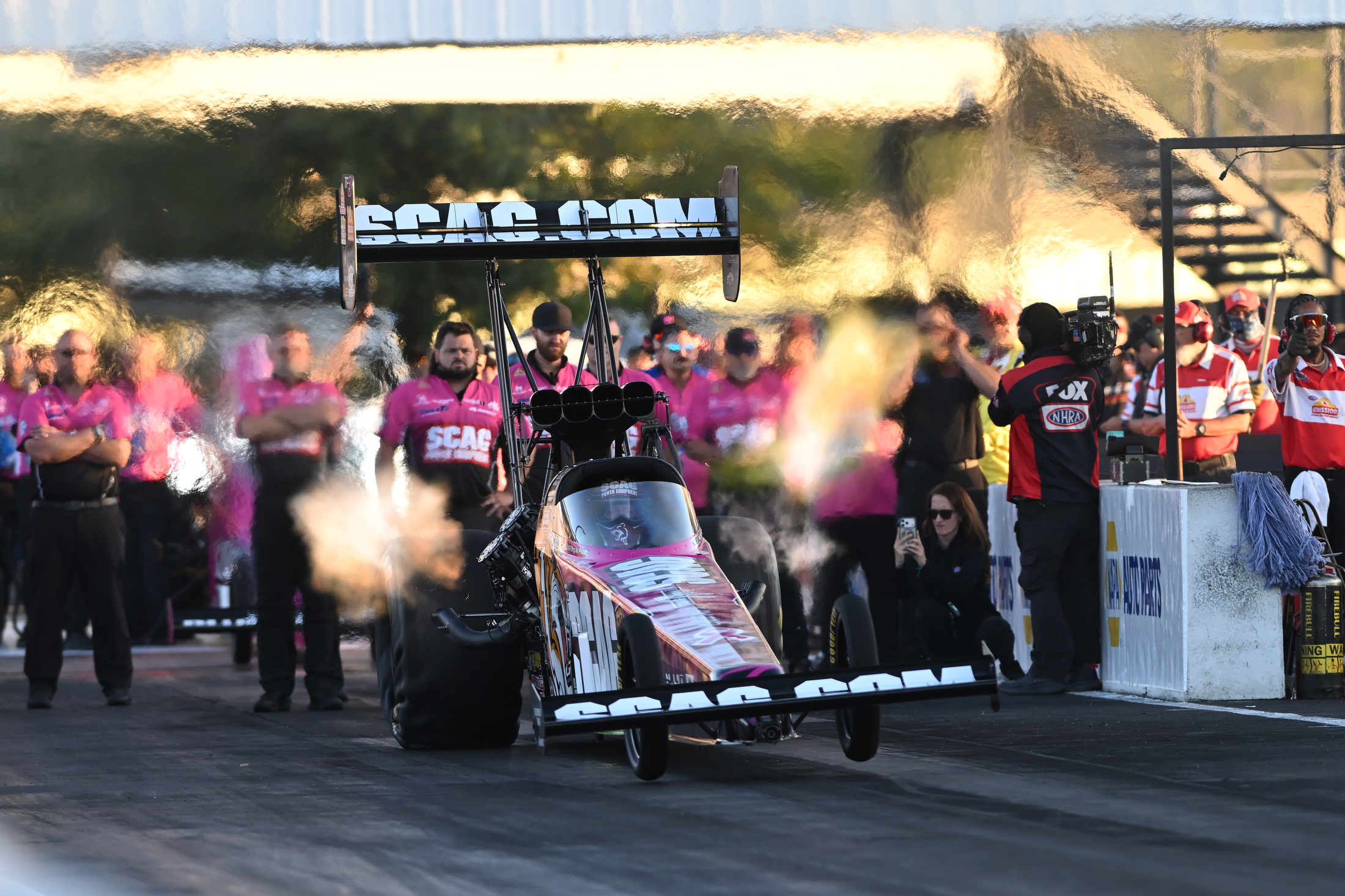
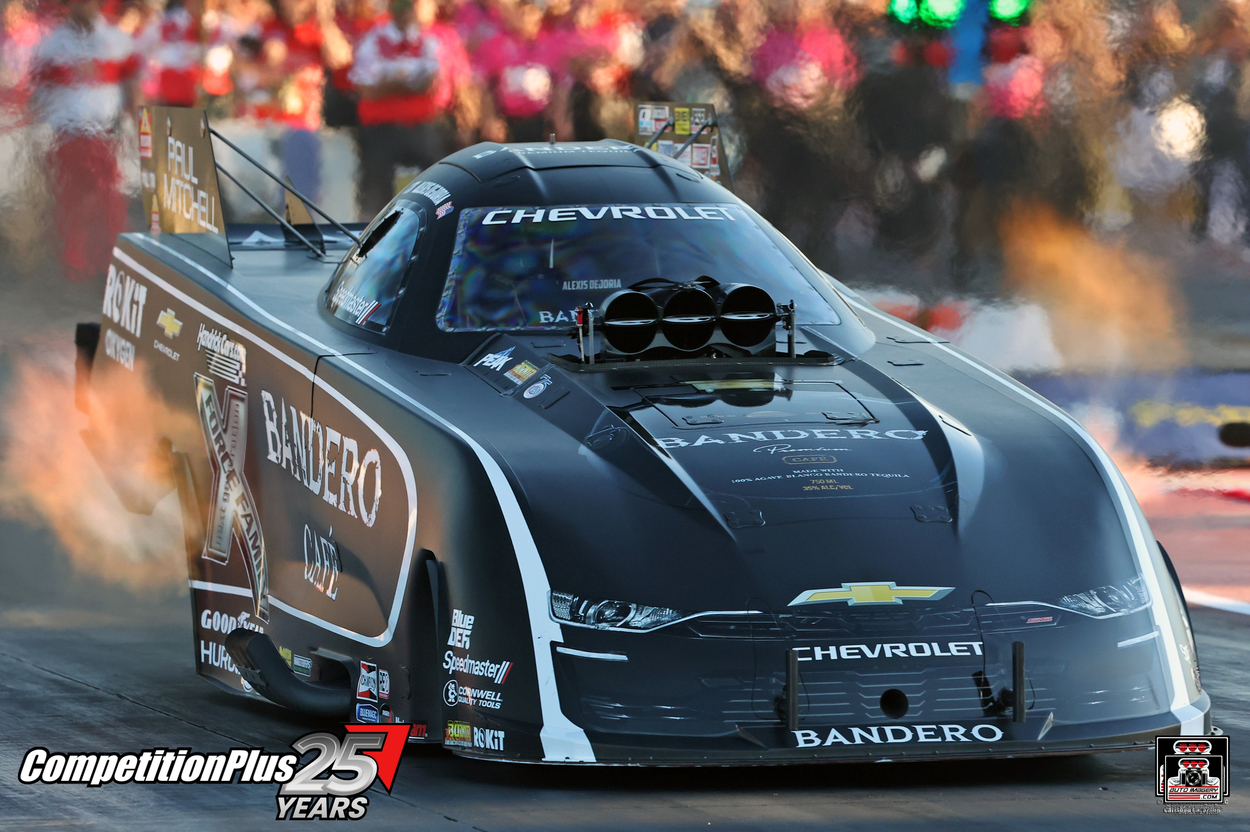
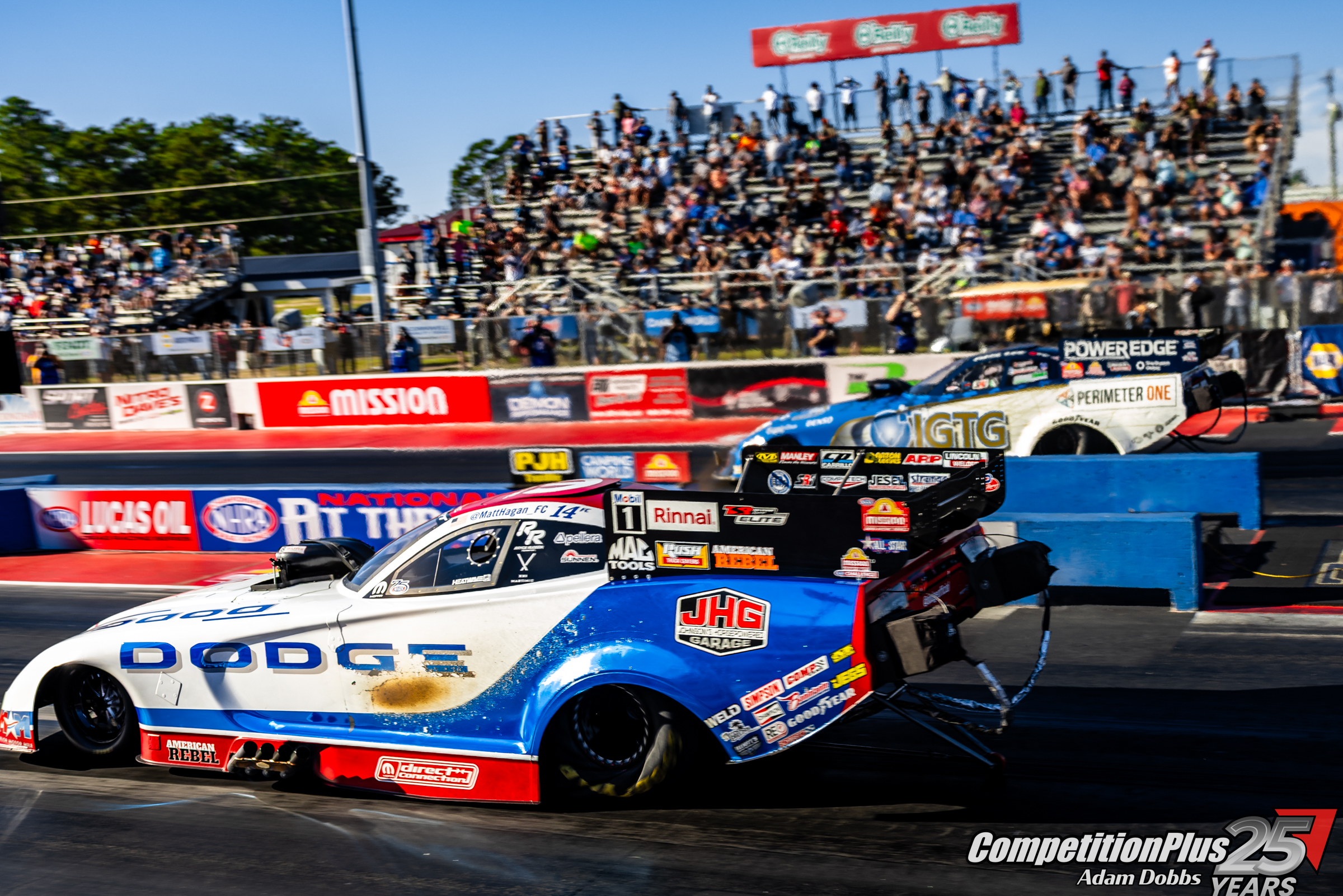
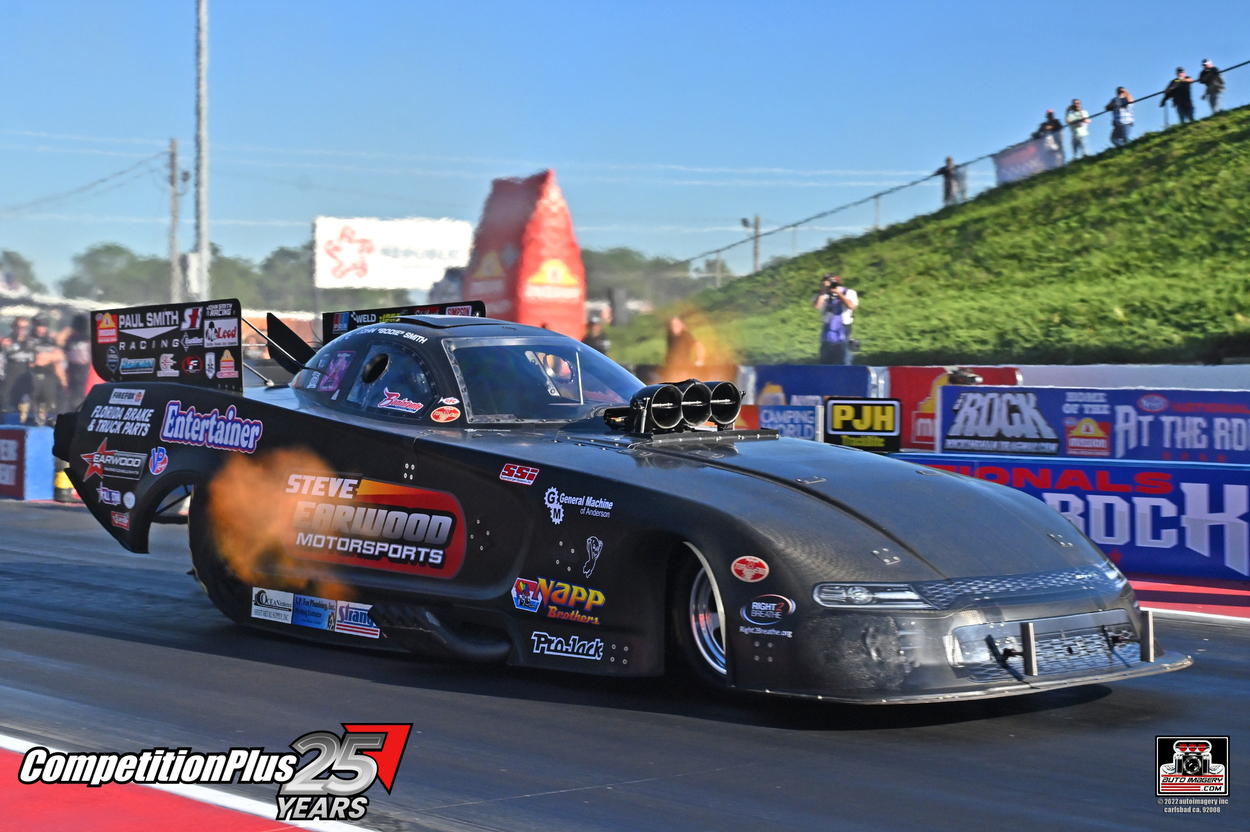
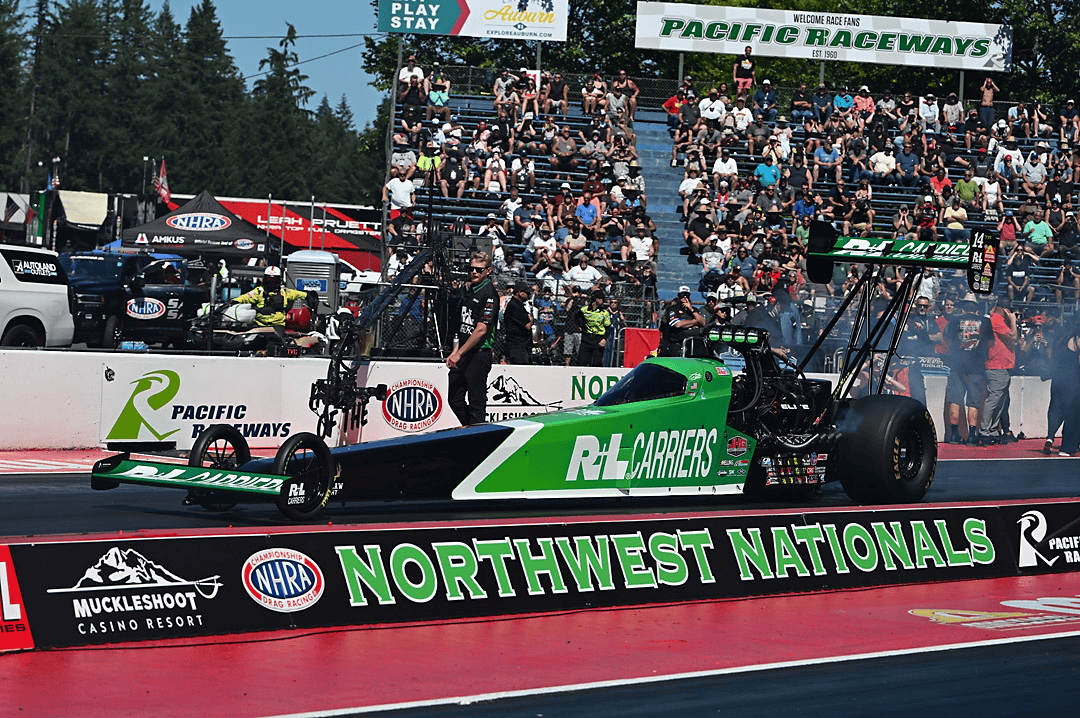
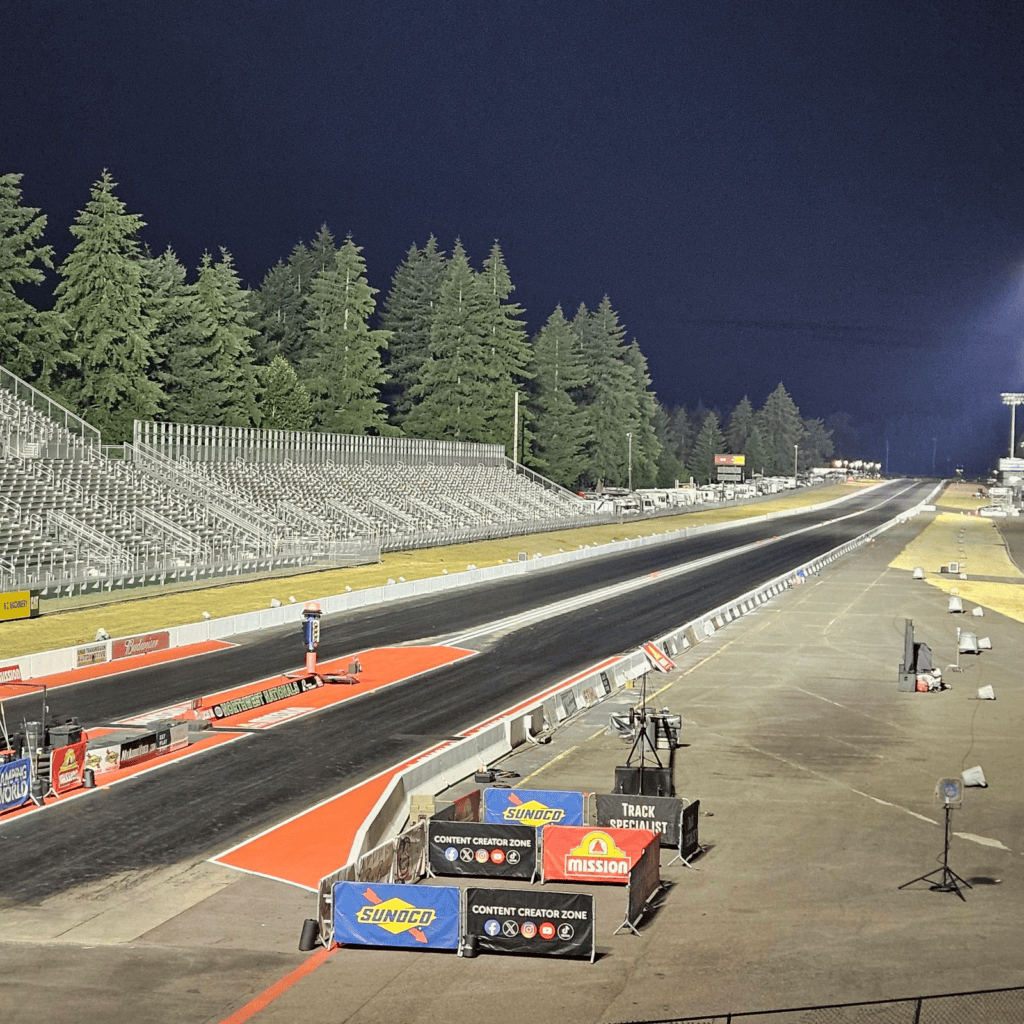
It features a dragstrip that hosts the NHRA’s Northwest Nationals every summer and a 2.25-mile road course that has welcomed some of the biggest names in American motorsports since its inception in 1958.

Frankly, he has had days when he worried about how he could keep his promise – such as when the property taxes, which he said average out to about $3,500 a day, were due. But he stepped out in faith several years ago, convinced his commercial-development plan would provide the answer. And now, with a technological tweak, Fiorito not only will be able to preserve his racetrack, but he also will be able to save aerospace manufacturing jobs in the Pacific Northwest.
And it’s thanks to the dragstrip.

King County Permitting was taken back when Fiorito submitted his plan to rent his industrial-zoned buildings on the property adjacent to the racetrack.

Fiorito said, “I’m going to rent space to new-frontier propulsion systems, and they’re going to develop, test, and manufacture alternative-fuel rockets for the aerospace industry.”

The agency told him, “You can’t have a rocket-testing company on your site.”
“Why not?” Fiorito asked.

“It’s not automotive,” King County Permitting said.
Ron Lewis Photos

But Fiorito pressed: “Where does our conditional-use permit say automotive? It says we’re legal for innovation and transportation, and these clients are working with alternative fuel in extraterrestrial transportation.”

The agency said, “You can’t have rocket fuel on your property,” to which Fiorito said, “You mean like nitromethane? That’s a rocket fuel. We’re actually really good at storing, distributing, and transporting rocket fuel.”

Again the agency tried to shut down his idea, saying, “But you can’t test-fire rockets.”

And here’s where drag-racing won the argument. Fiorito said, “Well, I’ve got jet-rocket cars on the dragstrip and have for 65 years. In fact, you govern specifically when I can fire jet cars on the dragstrip. So I’ve been running what’s akin to rockets here for 65 years.”

King County Permitting waved the white flag: “Yeah, I’m out of arguments. You’re legal. Go ahead.”

Now, Fiorito no longer has to worry about urban sprawl forcing him to close down the racing facility. He’ll have income to sustain the track – which the aerospace companies will use in their research-and-development processes.

“That’s what’s going to save the track,” he said.

Fiorito said the 239 aerospace-related companies in the Kent Valley alone can regard Pacific Raceways as “a safety relief valve.” He explained that “the State of Washington has not been as industry-friendly over the last 25 years as it needs to be. And the Growth Management Act has restricted available developable space. Washington is perched on losing a lot of aerospace companies to states like Texas, Tennessee, and South Carolina, where the regulatory climate is a little bit more friendly, shall we say. My property provides a safety relief valve while they get some of their other growth management issues figured out to accommodate keeping aerospace jobs in the Pacific Northwest. And now we’ve got the largest undeveloped industrially zoned site that’s legal for aerospace manufacturing and testing. “We’ve got this huge demand for aerospace manufacturing and not enough land. We fit the bill, because over the last 25 years, we’ve amended development code here to allow aerospace manufacturing on the site. So we’re about ready to experience a huge demand increase for our commercial development.”

However, he cautioned, “The Rule of Enough takes over at some point – we can get enough manufacturing in the aerospace industry to pay the bills, and then the racetrack continues and actually becomes much more healthy because I’ve got a great ecosystem from which to rob to put the improvements in.

“So I’m actually more optimistic. I’ve always struggled with demand for the buildings. I know I can make money on buildings, but we never created enough demand to put up enough buildings that we kind of hit the perpetual motion machine. And with this aerospace manufacturing angle, we’re there,” Fiorito said. “We’re just in permitting right now at the county to get it all approved, and then we’re going to move forward in a really significant way.”

The longtime presence in Seattle of the Boeing Company has spun off new industries as it has expanded its footprint.

“Think about it,” Fiorito said. “Boeing pops up over 100 years ago and a whole ecosystem of specialty machine shops to service Boeing pops up. And we end up having one of the highest concentration of aerospace machine shops in the world. So if you’re a burgeoning young aerospace company that’s not yet vertically integrated, what do you want to be? You want to be next to all the specialty manufacturing, the Boeing machinist, the talent pool, the engineers, and the ability to build rocket-specific widgets right next door to where you’re setting up. So we became one of the highest concentration of rocket, jet engine, and aerospace manufacturing in the world. And now we’re out of space, and these companies are growing, with Elon Musk going public.”

Seattle-based Amazon launched 396 production high-speed Internet satellites last month as part of its Amazon Leo initiative, with plans to deploy more and build a platform of multiple rocket families for a 3,236-satellite low-earth orbit constellation. Space X is an industry leader. And Fiorito is hoping to provide commercial space for dozens of smaller aerospace companies “competing to get solar panels into orbit so we can put AI data centers in space,” he said.

His newfound purpose is not without its temptations. Then again, through the years, Fiorito has been offered what he called “crazy money” to sell to industrial interests and has turned everyone down. Even now, he admitted a national developer likes the idea of the aerospace campus but isn’t all that keen on racing. Still, Fiorito has stuck to his motto: “Not on my watch.”

“We’ve hit the national radar screen on the largest undeveloped industrially zoned parcel in King County with a dedicated interchange and the ability to test rockets on our property. So we’re talking with a national developer right now that is interested in partnering with us on developing the commercial real estate. And let’s say that it’s not their first choice to maintain a racetrack, but I get to, as the property owner, dictate some terms. As a family-owned property, I get to do that,” he said. “And I know that if I was a straight developer and maybe was a more intelligent guy, I would allocate every square inch of this space to aerospace manufacturing, but I can’t do it. This place has to remain a racetrack.

“The dog is the commercial development, and the tail is the racetrack. And I’ve always to a certain extent allowed the tail to wag the dog here,” Fiorito said.

“We’re building a master plan right now to allow the coexistence of the racetrack because candidly, if I was a great businessman – which I’ve proved myself not to be over the years – I would put aerospace manufacturing on every square inch of this property. But my grandfather built this place. The [surrounding] cities rely on the economic impact. I’m a racer. I love the place too much to turn it into strictly an aerospace manufacturing hub,” he said.

His plan isn’t just to preserve road racing and drag racing. He has greater ambitions on the motorsports side.

“We’re configuring a master plan right now that’ll allow enough parking in between the buildings to continue the NHRA nationals and even segue into . . . there’ll never be enough parking in this configuration for a NASCAR Cup race, but . . . O’Reilly, NASCAR Truck Series, IMSA, even IndyCar, those are all on the table as we develop the commercial real estate and rob income from that to put it into the track,” he said.

“And I know everybody is like, ‘Oh, here Jason goes again with these pipe dreams of grandiose.’ But I’ve been down enough rabbit holes now that we’ve found a culture that has demand that is permitted, and we’re just a great partnership away from realizing what we’ve always envisioned here, which is a world-class innovation campus alongside a world-class racing circuit.

“I’m not going to turn this into a straight industrial development,” Fiorito vowed. “My grandfather built this track. I’ve got Dick Kalivoda, who won the first race here July 4th, 1960, Independence Day 1960. And then all the drag-racing greats – [Don “The Snake”] Prudhomme and [Shirley] Muldowney and [Kenny] Bernstein and [John] Force and all of the current crowd all raced here on the dragstrip. But equally as important, I’ve got pictures of Parnelli Jones and Ken Miles and Mark Donahue and Dan Gurney and Dale Earnhardt Sr., and Richard Petty who have raced here on the road course. So I have to preserve the legacy of both the road course and the drag strip.”

Fiorito said he doesn’t judge any track operator who has shut down: “I understand the financial pressure and the emotional toll that these places take on families. And I don’t begrudge anybody that decides that enough is enough. I’m lucky I’ve got kids that grew up here that just it’s their life’s ambition to be the next generation to track. I’ve got three kids. My daughter Lauren is working here every minute. She’s not up at Western [Western Washington University at Bellingham], she’s working here. And she loves this place more than anything. My boy is in the Army right now , and he can’t wait to get out of the Army so he can come back to work here.

“My dad [Dan Fiorito] gave me a chance to be involved in the place and I owe that to the next generation,” he said. “So as long as I’ve got the next generation that wants to add to the blood, sweat, and tears that’s been put into this place by the three generations that came before them, I got to provide them the opportunity.

“I’ll go to my grave, whether it’s a good business decision or not,” Fiorito said, “preserving that history and legacy for the next generation.”

Share the Insights?

Click here to share the article.

ad space x ad space

ad space x ad space

Competition Plus Team

Since our inception, we have been passionately dedicated to delivering the most accurate, timely, and compelling content in the world of drag racing. Our readers depend on us for the latest news, in-depth features, expert analysis, and exclusive interviews that connect you to the sport’s pulse.

Sign up for our newsletters and email list.

This field is for validation purposes and should be left unchanged.
Name

FIORITO’S PLAN: IT’S NOT ROCKET SCIENCE – OR IS IT?

Pacific Raceways Boss Finds Way To Integrate Commercial Interests with Racetrack To Preserve Motorsports in Northwest

It almost reads like a departures sign in an airport, the list of cities where NHRA no longer races:
Atlanta, Denver, Englishtown, Houston, Topeka, Memphis, Reading, Richmond.

Pacific Raceways President Jason Fiorito has seen the pattern and has vowed that won’t happen with his family-owned suburban Seattle venue.

“Not on my watch,” he said adamantly and repeatedly.

It features a dragstrip that hosts the NHRA’s Northwest Nationals every summer and a 2.25-mile road course that has welcomed some of the biggest names in American motorsports since its inception in 1958.

Frankly, he has had days when he worried about how he could keep his promise – such as when the property taxes, which he said average out to about $3,500 a day, were due. But he stepped out in faith several years ago, convinced his commercial-development plan would provide the answer. And now, with a technological tweak, Fiorito not only will be able to preserve his racetrack, but he also will be able to save aerospace manufacturing jobs in the Pacific Northwest.
And it’s thanks to the dragstrip.

King County Permitting was taken back when Fiorito submitted his plan to rent his industrial-zoned buildings on the property adjacent to the racetrack.

Fiorito said, “I’m going to rent space to new-frontier propulsion systems, and they’re going to develop, test, and manufacture alternative-fuel rockets for the aerospace industry.”

The agency told him, “You can’t have a rocket-testing company on your site.”
“Why not?” Fiorito asked.

“It’s not automotive,” King County Permitting said.
Ron Lewis Photos

But Fiorito pressed: “Where does our conditional-use permit say automotive? It says we’re legal for innovation and transportation, and these clients are working with alternative fuel in extraterrestrial transportation.”

The agency said, “You can’t have rocket fuel on your property,” to which Fiorito said, “You mean like nitromethane? That’s a rocket fuel. We’re actually really good at storing, distributing, and transporting rocket fuel.”

Again the agency tried to shut down his idea, saying, “But you can’t test-fire rockets.”

And here’s where drag-racing won the argument. Fiorito said, “Well, I’ve got jet-rocket cars on the dragstrip and have for 65 years. In fact, you govern specifically when I can fire jet cars on the dragstrip. So I’ve been running what’s akin to rockets here for 65 years.”

King County Permitting waved the white flag: “Yeah, I’m out of arguments. You’re legal. Go ahead.”

Now, Fiorito no longer has to worry about urban sprawl forcing him to close down the racing facility. He’ll have income to sustain the track – which the aerospace companies will use in their research-and-development processes.

“That’s what’s going to save the track,” he said.

Fiorito said the 239 aerospace-related companies in the Kent Valley alone can regard Pacific Raceways as “a safety relief valve.” He explained that “the State of Washington has not been as industry-friendly over the last 25 years as it needs to be. And the Growth Management Act has restricted available developable space. Washington is perched on losing a lot of aerospace companies to states like Texas, Tennessee, and South Carolina, where the regulatory climate is a little bit more friendly, shall we say. My property provides a safety relief valve while they get some of their other growth management issues figured out to accommodate keeping aerospace jobs in the Pacific Northwest. And now we’ve got the largest undeveloped industrially zoned site that’s legal for aerospace manufacturing and testing. “We’ve got this huge demand for aerospace manufacturing and not enough land. We fit the bill, because over the last 25 years, we’ve amended development code here to allow aerospace manufacturing on the site. So we’re about ready to experience a huge demand increase for our commercial development.”
However, he cautioned, “The Rule of Enough takes over at some point – we can get enough manufacturing in the aerospace industry to pay the bills, and then the racetrack continues and actually becomes much more healthy because I’ve got a great ecosystem from which to rob to put the improvements in.

“So I’m actually more optimistic. I’ve always struggled with demand for the buildings. I know I can make money on buildings, but we never created enough demand to put up enough buildings that we kind of hit the perpetual motion machine. And with this aerospace manufacturing angle, we’re there,” Fiorito said. “We’re just in permitting right now at the county to get it all approved, and then we’re going to move forward in a really significant way.”

The longtime presence in Seattle of the Boeing Company has spun off new industries as it has expanded its footprint.

“Think about it,” Fiorito said. “Boeing pops up over 100 years ago and a whole ecosystem of specialty machine shops to service Boeing pops up. And we end up having one of the highest concentration of aerospace machine shops in the world. So if you’re a burgeoning young aerospace company that’s not yet vertically integrated, what do you want to be? You want to be next to all the specialty manufacturing, the Boeing machinist, the talent pool, the engineers, and the ability to build rocket-specific widgets right next door to where you’re setting up. So we became one of the highest concentration of rocket, jet engine, and aerospace manufacturing in the world. And now we’re out of space, and these companies are growing, with Elon Musk going public.”

Seattle-based Amazon launched 396 production high-speed Internet satellites last month as part of its Amazon Leo initiative, with plans to deploy more and build a platform of multiple rocket families for a 3,236-satellite low-earth orbit constellation. Space X is an industry leader. And Fiorito is hoping to provide commercial space for dozens of smaller aerospace companies “competing to get solar panels into orbit so we can put AI data centers in space,” he said.

His newfound purpose is not without its temptations. Then again, through the years, Fiorito has been offered what he called “crazy money” to sell to industrial interests and has turned everyone down. Even now, he admitted a national developer likes the idea of the aerospace campus but isn’t all that keen on racing. Still, Fiorito has stuck to his motto: “Not on my watch.”

“We’ve hit the national radar screen on the largest undeveloped industrially zoned parcel in King County with a dedicated interchange and the ability to test rockets on our property. So we’re talking with a national developer right now that is interested in partnering with us on developing the commercial real estate. And let’s say that it’s not their first choice to maintain a racetrack, but I get to, as the property owner, dictate some terms. As a family-owned property, I get to do that,” he said. “And I know that if I was a straight developer and maybe was a more intelligent guy, I would allocate every square inch of this space to aerospace manufacturing, but I can’t do it. This place has to remain a racetrack.

“The dog is the commercial development, and the tail is the racetrack. And I’ve always to a certain extent allowed the tail to wag the dog here,” Fiorito said.

“We’re building a master plan right now to allow the coexistence of the racetrack because candidly, if I was a great businessman – which I’ve proved myself not to be over the years – I would put aerospace manufacturing on every square inch of this property. But my grandfather built this place. The [surrounding] cities rely on the economic impact. I’m a racer. I love the place too much to turn it into strictly an aerospace manufacturing hub,” he said.
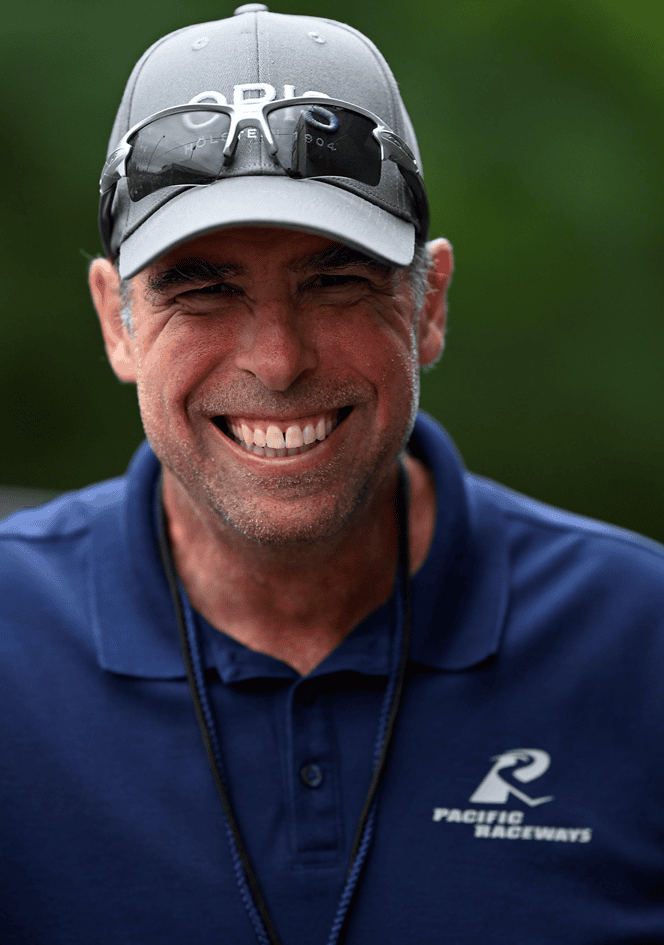
His plan isn’t just to preserve road racing and drag racing. He has greater ambitions on the motorsports side.

“We’re configuring a master plan right now that’ll allow enough parking in between the buildings to continue the NHRA nationals and even segue into . . . there’ll never be enough parking in this configuration for a NASCAR Cup race, but . . . O’Reilly, NASCAR Truck Series, IMSA, even IndyCar, those are all on the table as we develop the commercial real estate and rob income from that to put it into the track,” he said.

“And I know everybody is like, ‘Oh, here Jason goes again with these pipe dreams of grandiose.’ But I’ve been down enough rabbit holes now that we’ve found a culture that has demand that is permitted, and we’re just a great partnership away from realizing what we’ve always envisioned here, which is a world-class innovation campus alongside a world-class racing circuit.

“I’m not going to turn this into a straight industrial development,” Fiorito vowed. “My grandfather built this track. I’ve got Dick Kalivoda, who won the first race here July 4th, 1960, Independence Day 1960. And then all the drag-racing greats – [Don “The Snake”] Prudhomme and [Shirley] Muldowney and [Kenny] Bernstein and [John] Force and all of the current crowd all raced here on the dragstrip. But equally as important, I’ve got pictures of Parnelli Jones and Ken Miles and Mark Donahue and Dan Gurney and Dale Earnhardt Sr., and Richard Petty who have raced here on the road course. So I have to preserve the legacy of both the road course and the drag strip.”

Fiorito said he doesn’t judge any track operator who has shut down: “I understand the financial pressure and the emotional toll that these places take on families. And I don’t begrudge anybody that decides that enough is enough. I’m lucky I’ve got kids that grew up here that just it’s their life’s ambition to be the next generation to track. I’ve got three kids. My daughter Lauren is working here every minute. She’s not up at Western [Western Washington University at Bellingham], she’s working here. And she loves this place more than anything. My boy is in the Army right now , and he can’t wait to get out of the Army so he can come back to work here.

“My dad [Dan Fiorito] gave me a chance to be involved in the place and I owe that to the next generation,” he said. “So as long as I’ve got the next generation that wants to add to the blood, sweat, and tears that’s been put into this place by the three generations that came before them, I got to provide them the opportunity.

“I’ll go to my grave, whether it’s a good business decision or not,” Fiorito said, “preserving that history and legacy for the next generation.”

Picture of John Doe

John Doe

Lorem ipsum dolor sit amet consectetur adipiscing elit dolor

More Posts

Send Us A Message

Don’t miss these other exciting stories!

Explore more action packed posts on Competition Plus, where we dive into the latest in Drag Racing News. Discover a range of topics, from race coverage to in-depth interviews, to keep you informed and entertained.