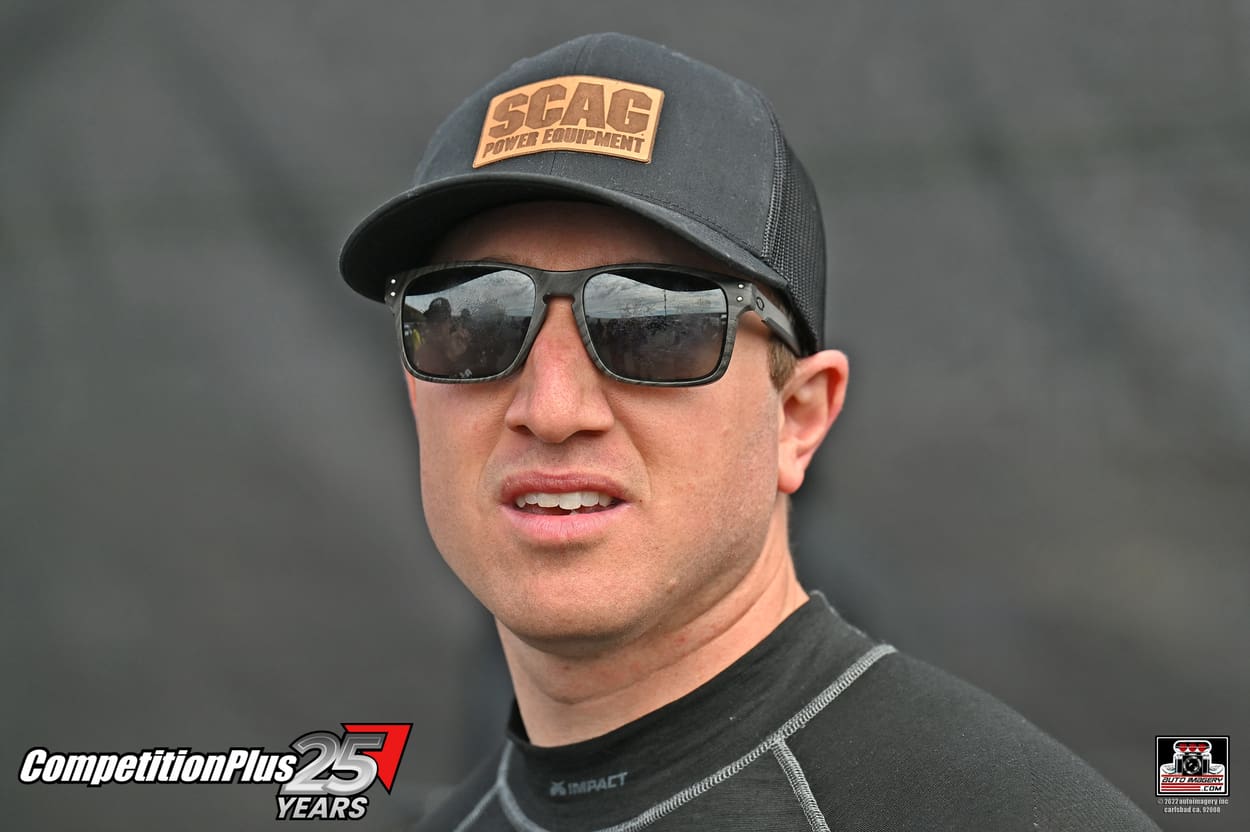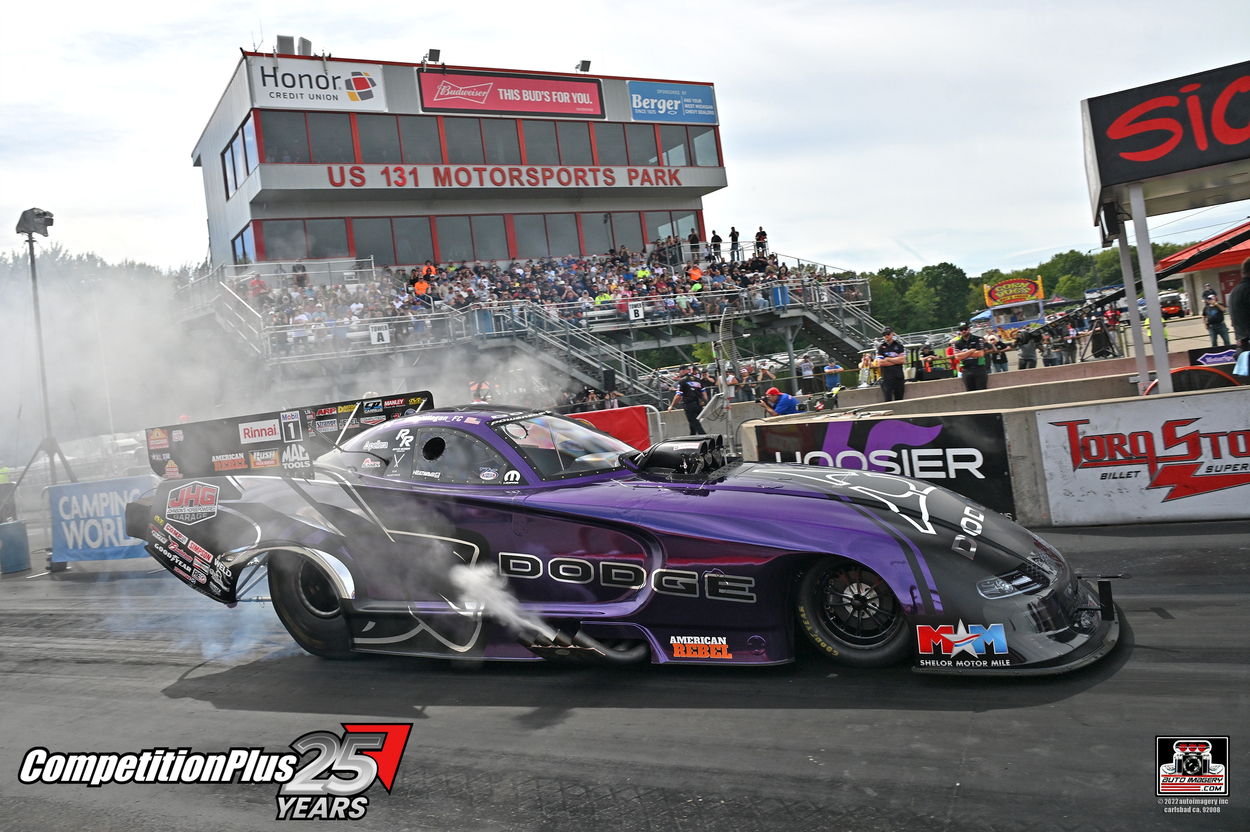
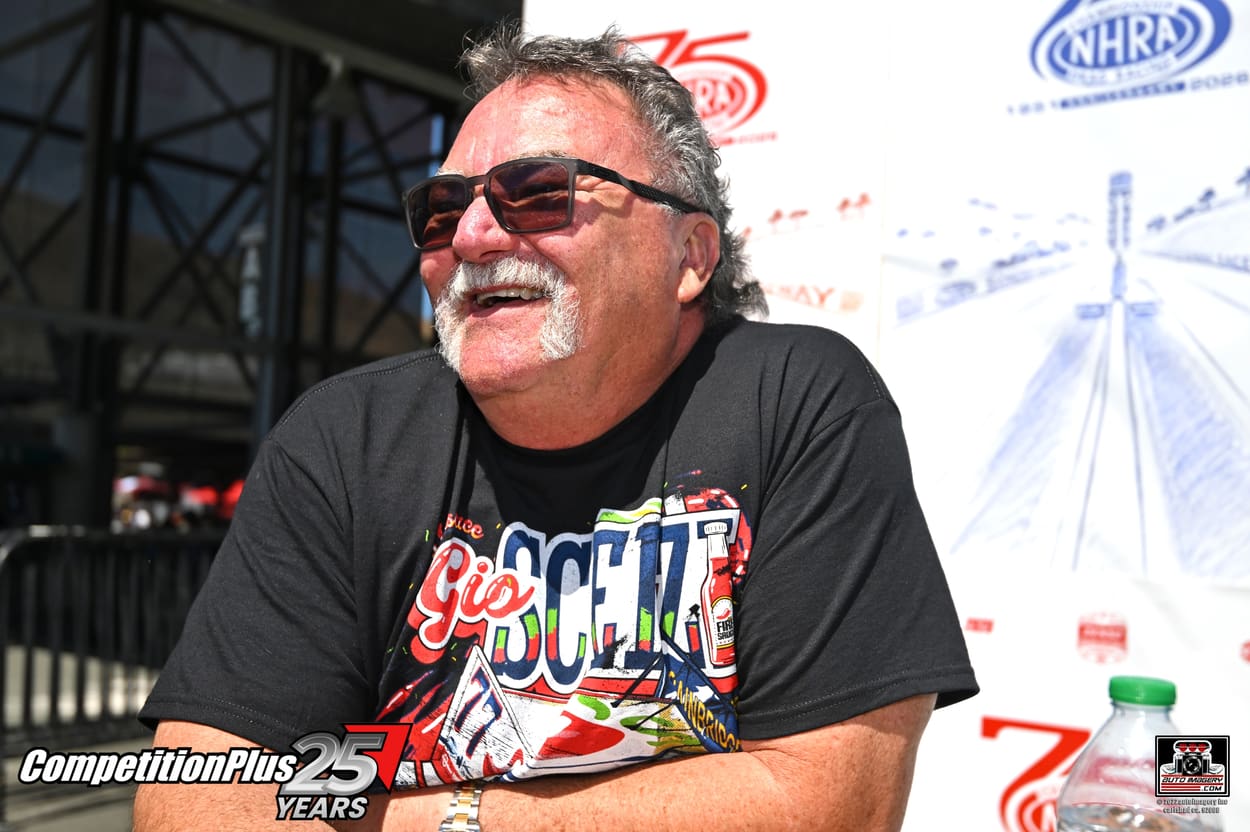

Gary Scelzi spent a championship career proving one lesson that still resonates across the NHRA pits. As he sees it, authenticity wins as much respect as trophies.
 
Honored Saturday during the NHRA’s 75th Anniversary celebration at the Denso NHRA Sonoma Nationals, the four-time world champion reflected on a career built on raw honesty, fierce competitiveness and a refusal to become the polished corporate spokesman many expected. Almost two decades after collecting 37 national event victories and four world championships, Scelzi believes that same authenticity is what the sport’s next generation needs most.
 
His advice to today’s stars came from a lesson shared years ago by former Winston Motorsports public relations representative Rob Goodwin, a message Scelzi says shaped his career as much as any crew chief.
 
“Last night I did the commentary for YouTube or whatever with Brian Lohnes,” Scelzi said. “And I told Maddi Gordon, I said, ‘Look, the main thing is…’ And I was told a long time ago by Rob Goodman, who was my handler with Winston, ‘…be yourself.'”
 
“I was always lucky to have Winston and have Oakley. And they say, ‘You know what? We don’t care if you say our name or not. That O on the glasses, if they did their job right, they know what that O means.’ And Winston didn’t care. They said just, ‘Win.’ That’s all they care… They’ll know what that means with Winston on the car.”
 
The message wasn’t manufactured. The message came from a driver whose reputation was built as much on candor as championships.
 
“I’ve always kind of been an asshole on race day,” Scelzi admitted with a smile. “I talk to my wife. So I used to get up in the morning, on Sunday mornings, walk three miles, come back to eat breakfast and my wife says, ‘Get out.’ She said, ‘I’ll see you when you’re done at the end of the day.'”
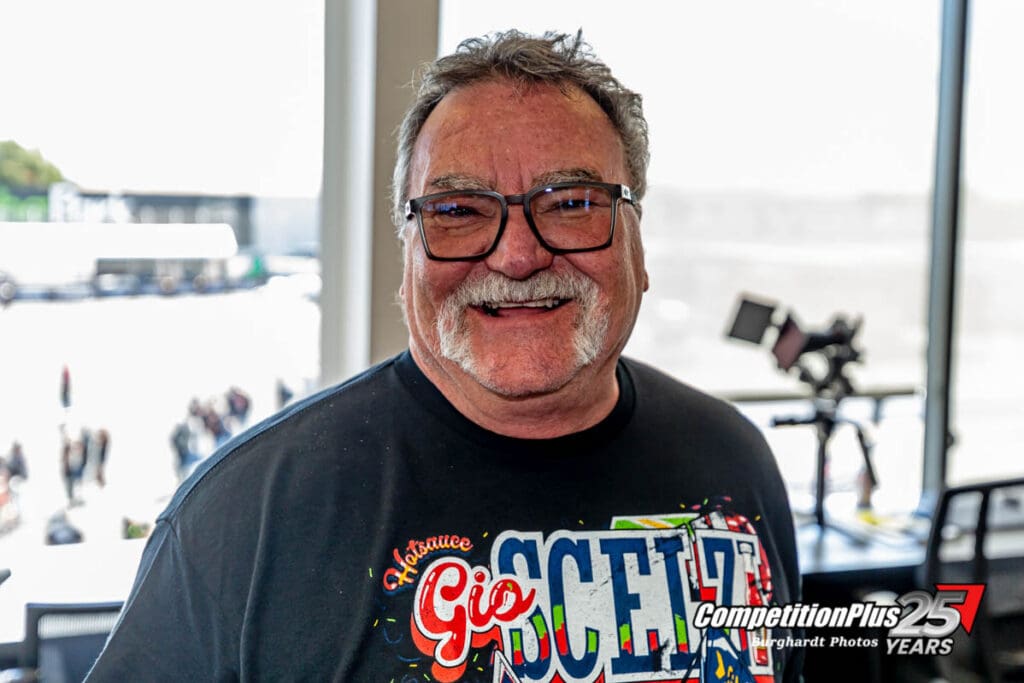
For much of his career, Scelzi lived with tunnel vision. Winning outranked everything else, leaving little room to appreciate the journey while it was happening.
 
“It got to where it’s a job and you enjoy it, but like I told my kids that race sprint cars, I would win a race and couldn’t wait to get to the next race,” Scelzi said. “I didn’t even want to get to where I did the hat dance. I couldn’t wait to go win again.”
 
“I just want to win, win, win, win and forgot about everything around that.”
 
Ironically, the lesson that changed one of drag racing’s toughest competitors didn’t come from another champion. It came from his sons.
 
“They’d win and they’d say, ‘Dad, just join,'” Scelzi recalled. “The kids would tell me, ‘Dad, enjoy the moment.’ And they were never more true things that I learned from them, my kids.”
 
“And that’s a big thing because you never know when your next one’s going to happen.”
 
Those moments carry even more weight now that Scelzi’s driving career is behind him. Instead of worrying about the things that trouble drag racers, he spends race weekends seeing the sport from a perspective he never allowed himself to experience.
 
“Now, I mean, I’m enjoying everything now I’m too old to race, but it’s enjoyable,” Scelzi said. “Get to see the scenery and get to see things around here, which I never saw before. It’s way different.”
 
That appreciation extends beyond his own memories. For the first time since the frightening crash involving John Force last season, Scelzi believes the sport has found the next wave of stars capable of carrying professional drag racing into the future.
He admitted there was a period when he wondered where those personalities would come from.
 
“You know what? I think people were more jealous than anything because an Alcohol racer, a local yocal, hillbilly if anything, got the best ride in drag racing and a Top Fuel ride at that,” Scelzi said of replacing the late Blaine Johnson.
 
“Jordan Vandergriff, Maddi Gordon… I was worried about this sport with John Force getting hurt and Amado being gone, Bernstein being gone.”
 
Scelzi quickly added those concerns have disappeared.
 
“This sport, NHRA is really in good hands,” he said. “Like Jordan Vandergriff, I’m a big fan of his, because I knew him before he got this ride and when he was doing well.”
 
“They’re naturals and it’s hard to believe that these kids jump in these cars and they’re so damn good.”
 
Scelzi pointed to Vandergriff, Austin Prock and Gordon as examples of drivers who understand how to connect with fans while delivering on the race track.
 
“Austin, I’ve never seen a guy drive a Funny Car like he has from the word go,” Scelzi said. “Jordan Vandergriff has done one hell of a job.”
 
“The sport is in good shape. We’ve got a lot of young people coming and I think it’s going to drive a lot of young fans to come.”

ipsum dolor sit amet, consectetur adipiscing elit. Ut elit tellus, luctus nec ullamcorper mattis, pulvinar dapibus leo.

Those comments meant something to Vandergriff, who grew up watching Scelzi race before eventually following a similar path into professional nitro competition.
 
“Oh, wow. I didn’t hear that,” Vandergriff said when told of Scelzi’s comments. “Gary Scelzi is one of the greats of this sport and his personality.”
 
“I grew up watching him and I was honored enough to meet him when my career started back in 2018.”
 
Vandergriff said Scelzi’s legacy extends beyond championships.
 
“He was such a personality growing up. He was fun and he was a great driver,” Vandergriff said. “I want to emulate a guy like that.”
 
“I think I want to be somewhat like Gary Scelzi, just endearing to the fans and genuinely himself.”
 
For Scelzi, that’s exactly the point.
 
He believes fans don’t remember perfectly rehearsed interviews. They remember personalities who aren’t afraid to show disappointment after a first-round loss or excitement after a victory.
 
“If you’re pissed, be pissed on TV,” Scelzi said. “If you get beat, nobody likes to get beat.”
 
“There’s no huggy, kissy, lovey-dovey. ‘Oh, I’m going home first round.’ Baloney. That’s bulls***. You want to win.”
He sees authenticity as one of the sport’s greatest marketing tools, something that helped define legends ranging from John Force to Whit Bazemore.
 
“So you can either love Whit Bazemore or hate Whit Bazemore or love Gary Scelzi or hate Gary,” Scelzi said. “Who doesn’t love John Force, right?”
 
“John never knew what he was going to say. I guarantee that he was the least rehearsed guy in the world. And that’s what we need more of.”
 
Scelzi also believes the competition has never been stronger. Watching crewchiefs like the Jimmy Prock’s, Mike Neff’s and the next generation of tuners continue to push performance gives him confidence that the sport has plenty of room left to grow.
 
“I think the sport is… There’s no end to where we can go,” Scelzi said. “I really think that.”
 
Seeing packed grandstands Friday at Sonoma reinforced that belief.
 
“And on a Friday watching the crowd that we had here, oh my God, that was awesome,” Scelzi said. “I think we’re kind of getting back to that.”
 
For someone who once admitted he only cared about reaching the next winner’s circle, Scelzi now finds satisfaction simply watching drag racing continue without him.
 
The competitor who once couldn’t slow down long enough to celebrate a victory has finally learned to enjoy the view. Ironically, that may be the only race Gary Scelzi was ever willing to lose.

Share the Insights?

Click here to share the article.

ad space x ad space

ad space x ad space

Competition Plus Team

Since our inception, we have been passionately dedicated to delivering the most accurate, timely, and compelling content in the world of drag racing. Our readers depend on us for the latest news, in-depth features, expert analysis, and exclusive interviews that connect you to the sport’s pulse.

Sign up for our newsletters and email list.

This field is for validation purposes and should be left unchanged.
Name

GARY SCELZI NEVER LEARNED HOW TO BE ANYONE BUT GARY SCELZI

Gary Scelzi spent a championship career proving one lesson that still resonates across the NHRA pits. As he sees it, authenticity wins as much respect as trophies.
 
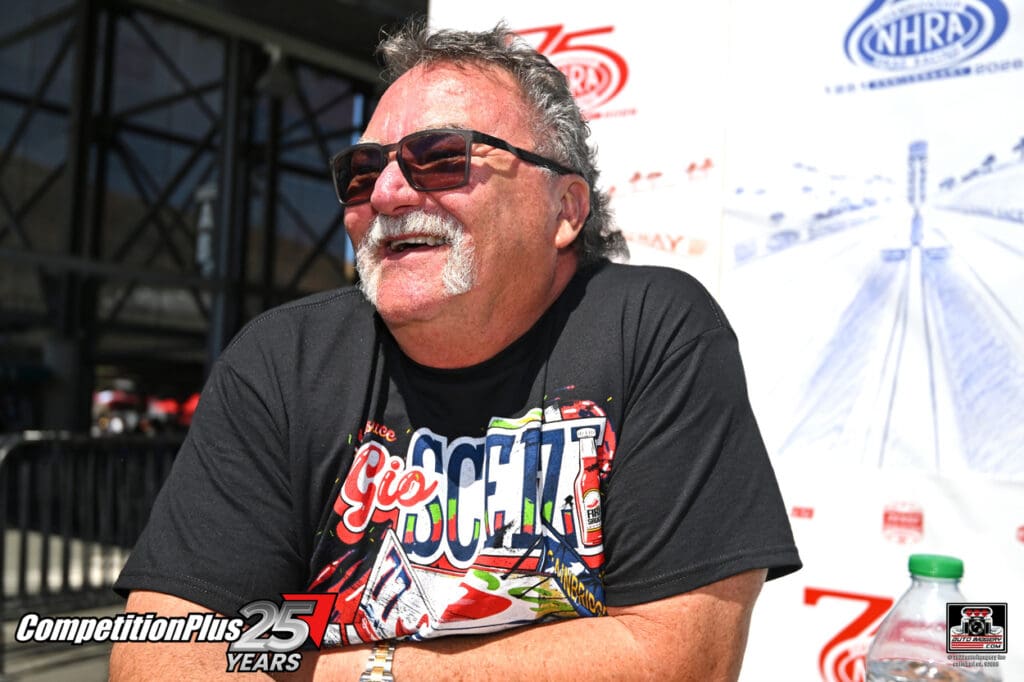
Honored Saturday during the NHRA’s 75th Anniversary celebration at the Denso NHRA Sonoma Nationals, the four-time world champion reflected on a career built on raw honesty, fierce competitiveness and a refusal to become the polished corporate spokesman many expected. Almost two decades after collecting 37 national event victories and four world championships, Scelzi believes that same authenticity is what the sport’s next generation needs most.
 
His advice to today’s stars came from a lesson shared years ago by former Winston Motorsports public relations representative Rob Goodwin, a message Scelzi says shaped his career as much as any crew chief.
 
“Last night I did the commentary for YouTube or whatever with Brian Lohnes,” Scelzi said. “And I told Maddi Gordon, I said, ‘Look, the main thing is…’ And I was told a long time ago by Rob Goodman, who was my handler with Winston, ‘…be yourself.'”
 
“I was always lucky to have Winston and have Oakley. And they say, ‘You know what? We don’t care if you say our name or not. That O on the glasses, if they did their job right, they know what that O means.’ And Winston didn’t care. They said just, ‘Win.’ That’s all they care… They’ll know what that means with Winston on the car.”
 
The message wasn’t manufactured. The message came from a driver whose reputation was built as much on candor as championships.
 
“I’ve always kind of been an asshole on race day,” Scelzi admitted with a smile. “I talk to my wife. So I used to get up in the morning, on Sunday mornings, walk three miles, come back to eat breakfast and my wife says, ‘Get out.’ She said, ‘I’ll see you when you’re done at the end of the day.'”
For much of his career, Scelzi lived with tunnel vision. Winning outranked everything else, leaving little room to appreciate the journey while it was happening.
 
“It got to where it’s a job and you enjoy it, but like I told my kids that race sprint cars, I would win a race and couldn’t wait to get to the next race,” Scelzi said. “I didn’t even want to get to where I did the hat dance. I couldn’t wait to go win again.”
 
“I just want to win, win, win, win and forgot about everything around that.”
 
Ironically, the lesson that changed one of drag racing’s toughest competitors didn’t come from another champion. It came from his sons.
 
“They’d win and they’d say, ‘Dad, just join,'” Scelzi recalled. “The kids would tell me, ‘Dad, enjoy the moment.’ And they were never more true things that I learned from them, my kids.”
 
“And that’s a big thing because you never know when your next one’s going to happen.”
 
Those moments carry even more weight now that Scelzi’s driving career is behind him. Instead of worrying about the things that trouble drag racers, he spends race weekends seeing the sport from a perspective he never allowed himself to experience.
 
“Now, I mean, I’m enjoying everything now I’m too old to race, but it’s enjoyable,” Scelzi said. “Get to see the scenery and get to see things around here, which I never saw before. It’s way different.”
 
That appreciation extends beyond his own memories. For the first time since the frightening crash involving John Force last season, Scelzi believes the sport has found the next wave of stars capable of carrying professional drag racing into the future.
He admitted there was a period when he wondered where those personalities would come from.
 
“You know what? I think people were more jealous than anything because an Alcohol racer, a local yocal, hillbilly if anything, got the best ride in drag racing and a Top Fuel ride at that,” Scelzi said of replacing the late Blaine Johnson.
 
“Jordan Vandergriff, Maddi Gordon… I was worried about this sport with John Force getting hurt and Amado being gone, Bernstein being gone.”
 
Scelzi quickly added those concerns have disappeared.
 
“This sport, NHRA is really in good hands,” he said. “Like Jordan Vandergriff, I’m a big fan of his, because I knew him before he got this ride and when he was doing well.”
 
“They’re naturals and it’s hard to believe that these kids jump in these cars and they’re so damn good.”
 
Scelzi pointed to Vandergriff, Austin Prock and Gordon as examples of drivers who understand how to connect with fans while delivering on the race track.
 
“Austin, I’ve never seen a guy drive a Funny Car like he has from the word go,” Scelzi said. “Jordan Vandergriff has done one hell of a job.”
 
“The sport is in good shape. We’ve got a lot of young people coming and I think it’s going to drive a lot of young fans to come.”

ipsum dolor sit amet, consectetur adipiscing elit. Ut elit tellus, luctus nec ullamcorper mattis, pulvinar dapibus leo.

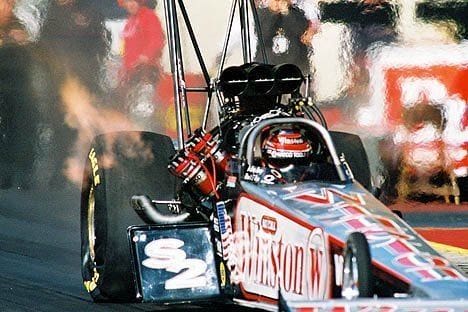
Those comments meant something to Vandergriff, who grew up watching Scelzi race before eventually following a similar path into professional nitro competition.
 
“Oh, wow. I didn’t hear that,” Vandergriff said when told of Scelzi’s comments. “Gary Scelzi is one of the greats of this sport and his personality.”
 
“I grew up watching him and I was honored enough to meet him when my career started back in 2018.”
 
Vandergriff said Scelzi’s legacy extends beyond championships.
 
“He was such a personality growing up. He was fun and he was a great driver,” Vandergriff said. “I want to emulate a guy like that.”
 
“I think I want to be somewhat like Gary Scelzi, just endearing to the fans and genuinely himself.”
 
For Scelzi, that’s exactly the point.
 
He believes fans don’t remember perfectly rehearsed interviews. They remember personalities who aren’t afraid to show disappointment after a first-round loss or excitement after a victory.
 
“If you’re pissed, be pissed on TV,” Scelzi said. “If you get beat, nobody likes to get beat.”
 
“There’s no huggy, kissy, lovey-dovey. ‘Oh, I’m going home first round.’ Baloney. That’s bulls***. You want to win.”
He sees authenticity as one of the sport’s greatest marketing tools, something that helped define legends ranging from John Force to Whit Bazemore.
 
“So you can either love Whit Bazemore or hate Whit Bazemore or love Gary Scelzi or hate Gary,” Scelzi said. “Who doesn’t love John Force, right?”
 
“John never knew what he was going to say. I guarantee that he was the least rehearsed guy in the world. And that’s what we need more of.”
 
Scelzi also believes the competition has never been stronger. Watching crewchiefs like the Jimmy Prock’s, Mike Neff’s and the next generation of tuners continue to push performance gives him confidence that the sport has plenty of room left to grow.
 
“I think the sport is… There’s no end to where we can go,” Scelzi said. “I really think that.”
 
Seeing packed grandstands Friday at Sonoma reinforced that belief.
 
“And on a Friday watching the crowd that we had here, oh my God, that was awesome,” Scelzi said. “I think we’re kind of getting back to that.”
 
For someone who once admitted he only cared about reaching the next winner’s circle, Scelzi now finds satisfaction simply watching drag racing continue without him.
 
The competitor who once couldn’t slow down long enough to celebrate a victory has finally learned to enjoy the view. Ironically, that may be the only race Gary Scelzi was ever willing to lose.

Picture of John Doe

John Doe

Lorem ipsum dolor sit amet consectetur adipiscing elit dolor

More Posts

Send Us A Message

Picture of Bobby Bennett
Bobby Bennett
Thank you for joining us on this journey. Your support and trust inspire us every day to deliver the best in drag racing journalism. We are excited about the future and look forward to continuing to serve you with the same dedication and passion that has defined CompetitionPlus.com from the very beginning.

Don’t miss these other exciting stories!

Explore more action packed posts on Competition Plus, where we dive into the latest in Drag Racing News. Discover a range of topics, from race coverage to in-depth interviews, to keep you informed and entertained.