

Somewhere outside New Orleans, where the humidity hangs in the air like wet towels draped over your shoulders, Pelican Parish Dragway, the rejuvenated No Problem Raceway, hosted what promoters called “a celebration of drag racing history.” What actually unfolded looked more like every old drag racing story your uncle ever told getting mixed together in a blender and dumped directly onto a starting line.
There are dragstrips, and then there are places where insurance adjusters wake up at three in the morning in a cold sweat without understanding why. Pelican Parish belonged in the second category.
The facility was operated by local promoter and self-appointed racing philosopher Earl “Swamp Moose” Boudreaux, a man built like a diesel mechanic who looked as if he’d spent his entire life lifting transmissions and arguing with alligators. He wore bib overalls with no shirt underneath because, according to him, “buttons just slow down emergency decision-making.”
Nobody knew exactly where Swamp Moose came from. Rumors around the pits claimed he once fixed a flooded dragstrip with shrimp boat bilge pumps, while another story suggested he briefly operated outlaw races behind a crawfish processing plant where the winner got fuel money and a freezer full of catfish.
Swamp Moose never confirmed any of those stories and he never denied them either, which probably explained why by Saturday afternoon people had started adding details of their own.
“I ain’t here to explain myself,” he said Saturday morning while dragging what looked suspiciously like a propane tank tied to a lawn tractor. “I’m here to put rubber on concrete and let the good Lord sort out the details.”
People probably should have gotten nervous right then. The problem was there were too many other things happening.
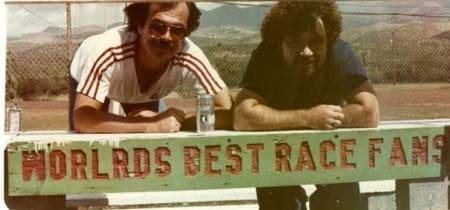
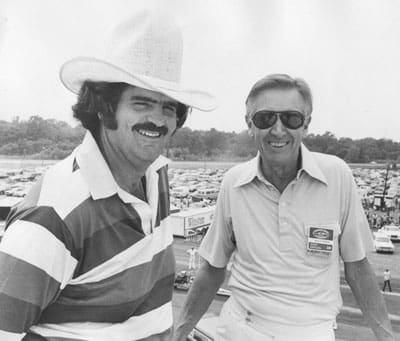
Serving as official race dignitaries were “King” Richard Tharp and “Waterbed” Fred Miller, and somehow nobody in management ever stopped long enough to ask if either assignment represented sound judgment. Tharp had been named Grand Marshal while Miller carried the title of Director of Historical Accuracy, a position nobody understood but everybody feared.
Miller spent most of the weekend sitting beneath a tent moving hot Louisiana air around with a folding fan. Every now and then he’d point somewhere toward the facility and issue quiet judgments.
“That ain’t right,” he’d say before going back to drinking sweet tea like a man watching somebody else’s family reunion unfold and deciding none of it involved him.
Tharp approached his duties differently. He carried a flea-market bullhorn all weekend and repeatedly reminded drivers of the official Cajun Nationals slogan: “Question decisions later.”
The weather immediately became part of the show because south Louisiana apparently decided conditions on Earth weren’t difficult enough already. By Saturday afternoon, the humidity had climbed into territory usually associated with rainforests and fish tanks.
Crew chiefs reported superchargers sweating before engines even fired. One Funny Car team claimed moisture formed inside the trailer while a Top Fuel crew chief insisted his pants had become “structurally compromised.”
Drivers climbed into race cars looking confident and climbed back out looking like survivors of military training exercises. Pro Stock Motorcycle riders appeared less like racers and more like men trying to escape a flood.

Nobody complained because complaining suggested weakness, and besides, everybody was miserable together. At Cajun Nationals weather wasn’t something you dealt with. It was something you survived.
It was the kind of event former NHRA publicity minds Steve Earwood and Dave Densmore would’ve stared at with the same expression fishermen get when somebody says the fish are biting. Every strange thing that happened somehow created three more stories, and by Saturday afternoon this place was producing material faster than reporters could write it down.
Things changed during qualifying when Swamp Moose announced additional track preparation would be needed. Modern fans expected traction compound and sprayers.
Instead they got pickup trucks, which immediately felt like the moment where things took a hard left turn away from conventional drag racing thinking.
Three of them rolled slowly toward the starting line towing crawfish boiling burners, garden sprayers and two pallets of cat litter. Following behind came approximately fifty-seven bags of something labeled Swamp Moose Secret Sticky Stuff, which somehow raised more questions than if the bags had arrived with skull-and-crossbones stickers on them. There were no instructions, no warning labels and no ingredients listed anywhere, which apparently meant everybody was expected to trust the process.
“I got the formula from my granddaddy,” Moose said proudly.
Someone asked what was in it.
“Classified.”
Someone asked if it was legal.
“Depends who’s asking.”

Within minutes the starting line looked polished enough to shave in. Cars immediately started sticking during burnouts.
One Pro Stock crew chief claimed the slicks nearly removed body panels from his car. Another team swore a crew member disappeared for ten minutes and returned missing a shoe while carrying somebody else’s wrench.
Officials ruled conditions acceptable because apparently they had given up fighting reality around breakfast.
While the event had plenty of weirdness leading into eliminations, the final rounds took things to a whole ‘nother level. Up to that point, people were still attempting to convince themselves they were attending a normal drag race that simply happened to have unusual weather, a track operator named Swamp Moose and cat litter involved in track preparation.
By Sunday afternoon that illusion had officially packed up and gone home. If anybody still thought the weekend had one foot planted in reality, Top Fuel fixed that problem in a hurry.
Shawn Langdon and Tony Stewart rolled into the final round looking like two men prepared to settle business the normal way. Crews made final adjustments, fans crowded against the fences and for a few brief moments everything looked like a perfectly ordinary nitro showdown.
Then Louisiana got involved.
Langdon left first and carried the front tires toward half-track while Stewart chased him all the way down the dragstrip. Around 900 feet both cars disappeared completely into Cajun humidity so thick it looked like nature itself had decided it wanted front-row seats.
Fans leaned against the fences trying to see something. Announcers leaned halfway out of the booth trying to see something. Safety Safari members stared downtrack like they were expecting two dragsters to magically reappear.
Nobody had the slightest idea where either car was.
For nearly twenty seconds everybody simply stood there waiting, wondering whether two Top Fuel dragsters had somehow found a portal hidden somewhere around the eighth-mile marker.
Langdon eventually emerged from the fog at the top end while Stewart appeared several seconds later from what witnesses described as “a direction that shouldn’t exist.”
One spectator insisted Stewart came back from somewhere near Mobile while another claimed he briefly crossed into Mississippi before correcting himself.
“Thought I saw Mississippi for a minute,” Stewart admitted afterward.
Funny Car somehow managed to raise the standard for strange.
Austin Prock and Ron Capps staged for the final and absolutely nothing suggested what was about to happen. The launch looked clean and normal, and both cars thundered away side by side before people near half-track started pointing.
A few people started pointing near half-track. Then suddenly everybody along the fence line was pointing at once, which usually isn’t a great sign at a drag race.
Capps’ Funny Car body wasn’t exploding and it wasn’t coming apart.
It was lifting.
Apparently some combination of trapped air, humidity and south Louisiana physics transformed the Funny Car into a temporary aviation project. Nobody knew how high it actually got because estimates throughout the pits expanded every fifteen minutes.
Some fans claimed three feet. Others insisted five. One man near the concession stand swore Capps nearly entered FAA jurisdiction and briefly flew over a bait shop before returning.
Richard Tharp finally stepped in because apparently race dignitaries are expected to handle air traffic disputes at Cajun Nationals.
“It wasn’t twelve feet,” he announced through his bullhorn. “If he’d gotten that high, I’d have saluted.”
Prock was awarded the victory while Capps accepted runner-up honors and what race officials later described as an unofficial achievement award in low-altitude aviation.
By the time Pro Stock reached the starting line, nobody trusted anything anymore.
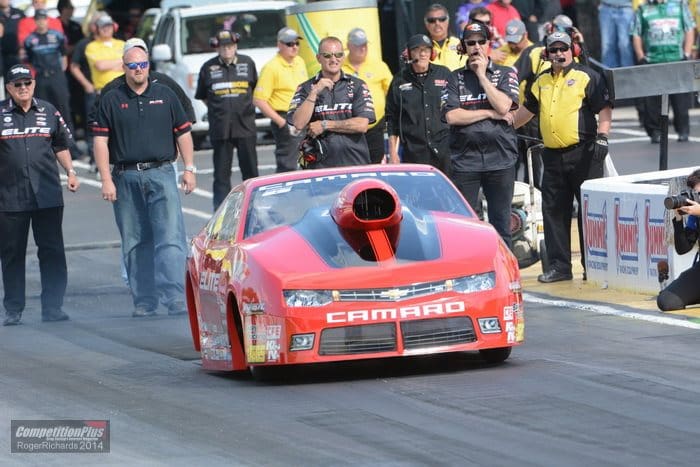
Greg Anderson and Erica Enders launched perfectly and stayed welded together all the way down the dragstrip. They shifted together, moved together and crossed the finish line looking attached by invisible rope.
Officials immediately went to the replay. Then they watched it again. Somewhere around the fourth look, one official quietly removed his headset and stared toward the horizon like a man reconsidering every decision that brought him to south Louisiana.
Then Swamp Moose stepped forward.
“I got this.”
Nobody liked hearing those words.
Ten minutes later he returned carrying what looked suspiciously like a fishing scale and declared Enders the winner based on what he called “wind direction analysis.”
Nobody knew what that meant and judging by the silence around the finish line, nobody was interested in hearing the explanation either.
Greg Anderson stood there wearing the same expression people have when somebody informs them fish can climb trees. Crew members attempted explanations while Anderson continued staring toward the finish line trying to solve a mystery science itself apparently wanted no part of.

If anybody still believed Pro Stock Motorcycle would bring order back to the day, they hadn’t been paying attention.
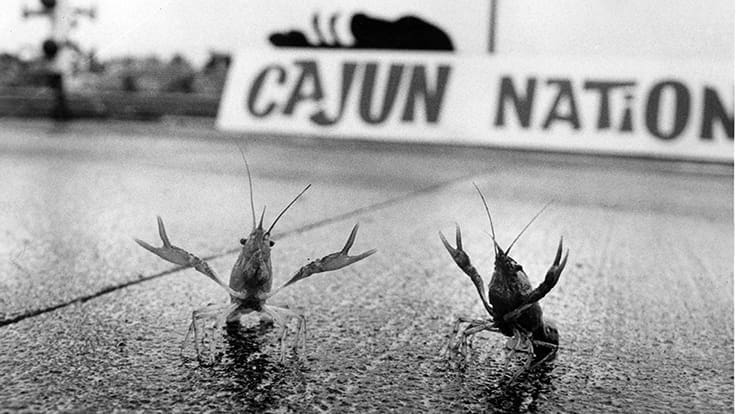
Matt Smith and Gaige Herrera appeared headed toward the first normal final round of the weekend until several pelicans entered the race, because apparently wildlife had also decided to participate in Cajun Nationals weekend.
Several flew low across the dragstrip near half-track and suddenly two racers found themselves in a competition nobody had prepared for. Smith remained tightly ducked instinctively while Herrera leaned over trying to avoid becoming part of Louisiana wildlife history.
Fans yelled. Crew members pointed. Officials mostly stood there watching because by that point the weekend had already convinced them normal rules probably weren’t invited.
Herrera crossed the finish line first through complete disorder while Smith arrived moments later still shaking his head.
“Can’t prepare for birds,” Smith said afterward. “That ain’t in the data logs. We got clutch numbers, weather numbers, tire data and fuel curves. Ain’t nowhere in there for pelicans.”
Sunday night’s trophy ceremony somehow felt normal after all of that.
Top Fuel received a gold alligator mounted on wood. Funny Car got a bronze crawfish. Pro Stock received a mounted bass attached to fake walnut paneling while Pro Stock Motorcycle earned what appeared to be a motorcycle helmet permanently glued onto a toaster.
Nobody questioned any of it because by then people had simply accepted Pelican Parish Dragway for what it was.
As darkness settled over the facility, crews loaded trailers while race fuel and crawfish still floated through the air together in a combination no air freshener company would ever dare attempt. Swamp Moose stood near the starting line with his hands resting on his hips looking over the dragstrip the same way a backyard mechanic looks at an engine that somehow started after three days of guessing.
Someone finally asked whether Cajun Nationals would return next year.
Moose took his time looking around before finally nodding and saying, “D*** right.”
“What are you changing?”
Moose smiled.
“Nothing.”
Behind him, Richard Tharp laughed hard enough to require oxygen while Waterbed Fred Miller slowly nodded from his chair and delivered his final verdict on the weekend.
“Now,” Miller said, “that looks right.”
















NHRA’S COUNTDOWN PROBLEM DIDN’T START WITH SHAWN REED, BUT HIS CASE EXPOSED IT